DJI 20260212170250 0184 D

MANDU, INDIA

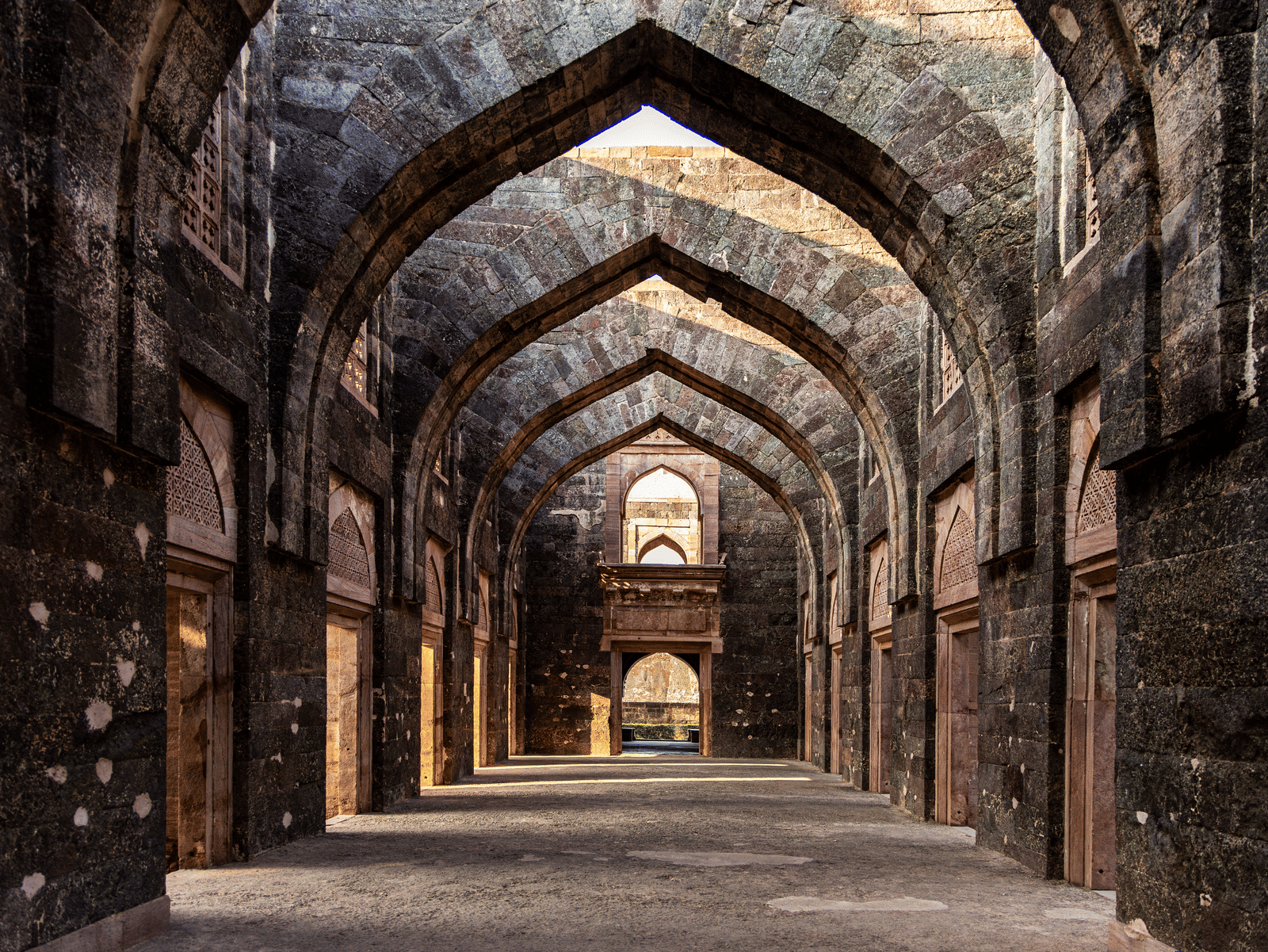
Mandu, also known as Shadiabad or the City of Joy, is a historic citadel in Madhya Pradesh, India. Perched along the Malwa Plateau, it is celebrated for its Afghan-era architecture, dramatic monsoon landscape and rich cultural heritage, making it one of India's most remarkable historic destinations.

Mir Kalan Khan - Sultan Baz Bahadur and Roopmati ca 1735 - (MeisterDrucke-715952)

HISTORY

Mandu rose to prominence in the 10th century under the Paramara rulers and later flourished as the capital of the Malwa Sultanate. The city is forever associated with the legendary romance of Baz Bahadur and Rani Roopmati, whose enduring love story continues to define its timeless charm. In 1561, Mandu fell to the Mughal emperor Akbar, marking the end of its independent rule.

THE CULTURE

Mandu reflects a layered cultural legacy shaped by Rajput, Afghan and Mughal influences. Its architecture, music and folklore preserve centuries of artistic and cultural traditions, while local customs blend Malwi, Islamic and Hindu heritage. This confluence of faiths and artistic expression gives Mandu a distinctive cultural identity within central India.

672A6916
tribal-woman-working-her-traditional-handicrafts-b-2026-03-09-05-47-55-utc

PEOPLE

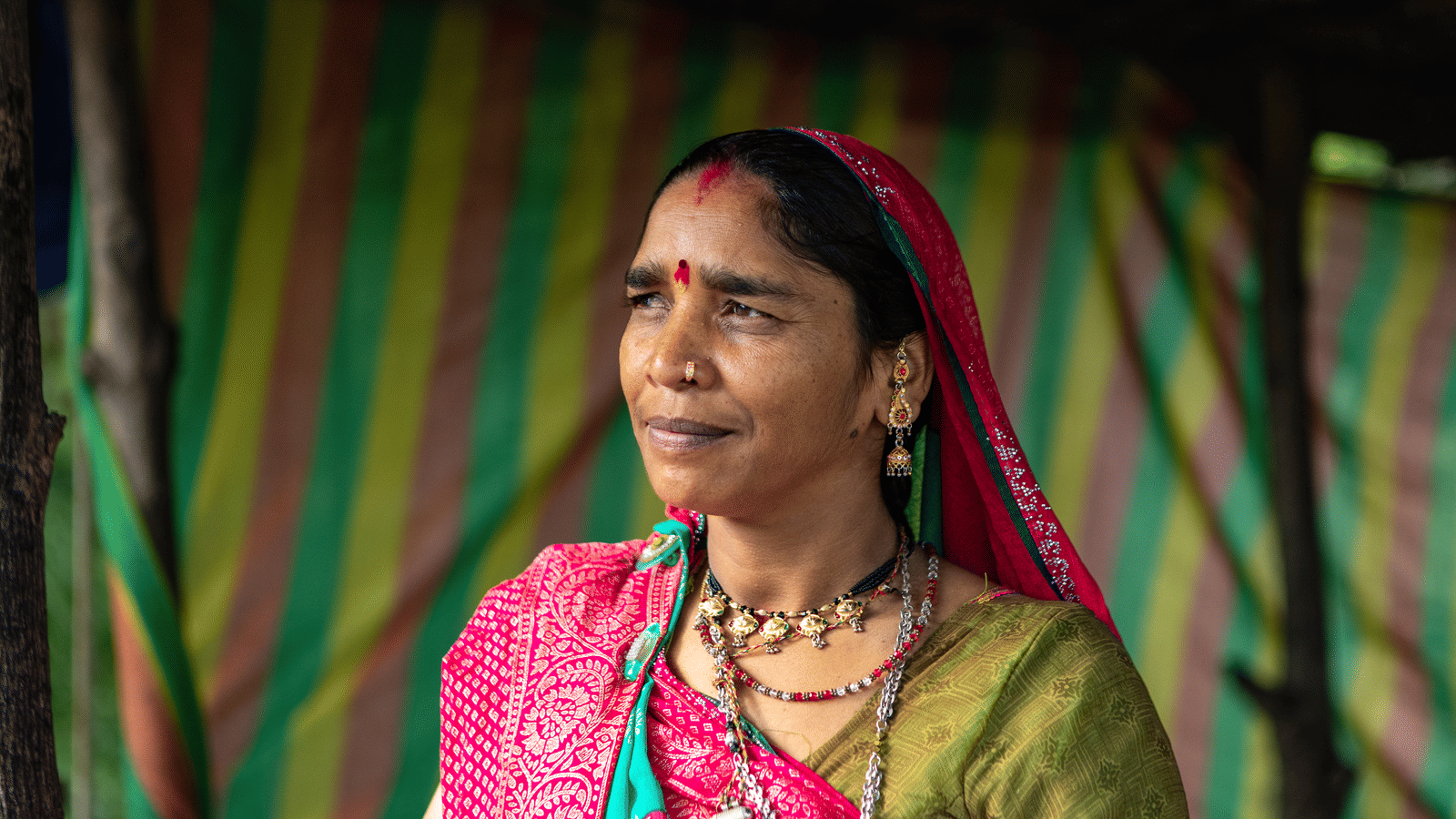
Mandu is home to communities rooted in the Malwa region who continue to sustain its living heritage and cultural traditions. Hindus form the majority, followed by Muslims, while Bhil and Bhilala tribal communities have long inhabited the surrounding countryside. Seasonal migrations of Rabari shepherds from Rajasthan lend yet another timeless layer to the region's rich cultural fabric.

DJI 20260212101758 0132 D

GEOGRAPHY

Mandu is located in Dhar district of Madhya Pradesh in central India. Set along the southwestern edge of the Malwa Plateau, it rises about 600 metres above the Nimar plains on a basalt outcrop formed by ancient Deccan volcanic flows. These dramatic escarpments, part of one of the world’s oldest geological formations, create sheer cliffs, fertile valleys, and sweeping views across the Vindhyan landscape.

FLORA AND FAUNA

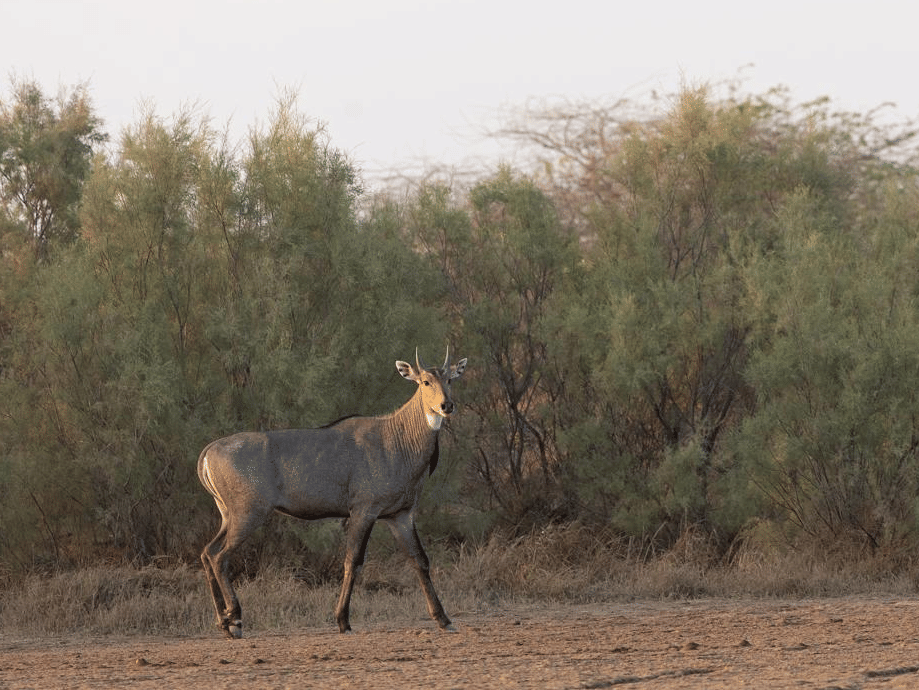
Mandu is characterised by tropical dry deciduous woodland and scrub-covered slopes along the Malwa Plateau. The surrounding forests support nilgai, jackals, foxes and a variety of small mammals, while seasonal wetlands attract numerous bird species. Peafowl, parakeets and raptors are commonly sighted across the plateau and valleys.

WhatsApp Image 2026-05-20 at 4.19.46 PM

GEOGRAPHY

Mandu is located in Dhar district of Madhya Pradesh in central India. Set along the southwestern edge of the Malwa Plateau, it rises about 600 metres above the Nimar plains on a basalt outcrop formed by ancient Deccan volcanic flows. These dramatic escarpments, part of one of the world’s oldest geological formations, create sheer cliffs, fertile valleys, and sweeping views across the Vindhyan landscape

DJI 20260212163549 0174 D
WhatsApp Image 2026-05-20 at 4.19.46 PM

FLORA AND FAUNA

Mandu is characterised by tropical dry deciduous woodland and scrub-covered slopes along the Malwa Plateau. The surrounding forests support nilgai, jackals, foxes and a variety of small mammals, while seasonal wetlands attract numerous bird species. Peafowl, parakeets and raptors are commonly sighted across the plateau and valleys.

LOCATION

Latitude  22° 20′ N
Longitude  75° 23′ E

AREA
Approx. 45 SQ KM (Fort Plateau Area)

GEOGRAPHICAL LOCATION
Dhar District, Malwa Plateau, Madhya Pradesh, India

ELEVATION

Lowest – 902 M
Highest – 1160 M

SOIL
Lateritic & rocky soils on the plateau


TEMPERATURES

MAX 40° C
MIN 7° C

ANNUAL RAINFALL
Between 800 mm to 1000 mm

SEASONS

Wet – Jun to Sep
Cool – Oct to Feb
Dry – Mar to May

FOREST TYPE
Tropical dry deciduous
Open woodland & grassland


Continue your booking