)
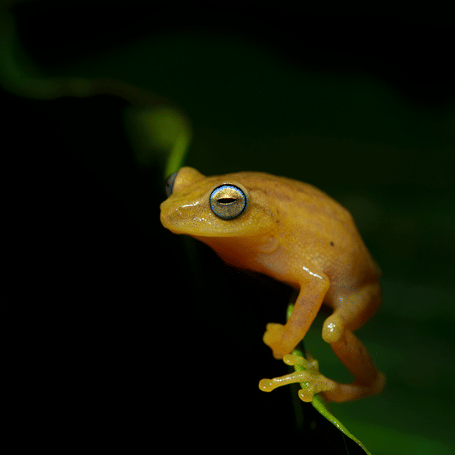
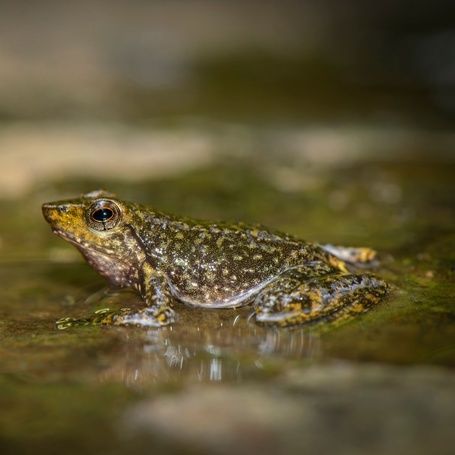
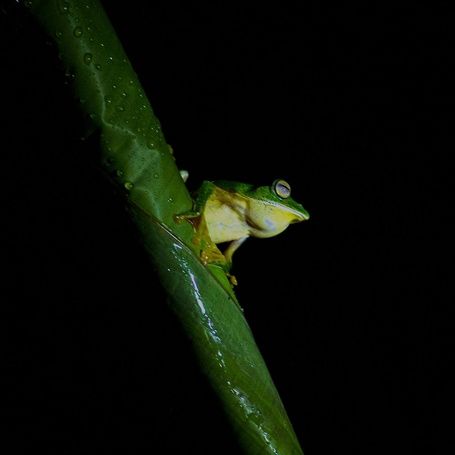
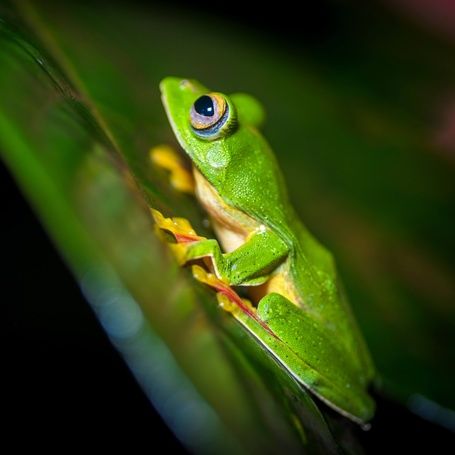
Photo title: Indian Bull Frog
|Photo Credits: Vikram Nanjappa

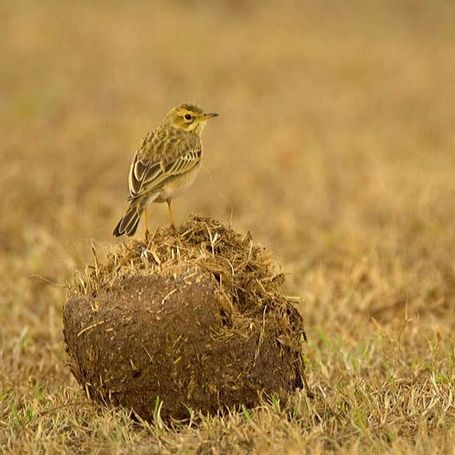
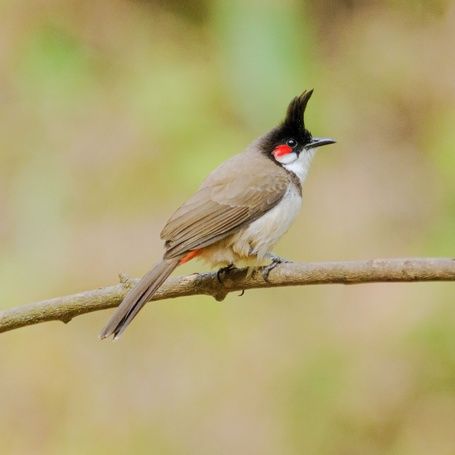
Photo title: Pied Bushchat
|Photo Credits: Koshy Koshy from Wikimedia commons

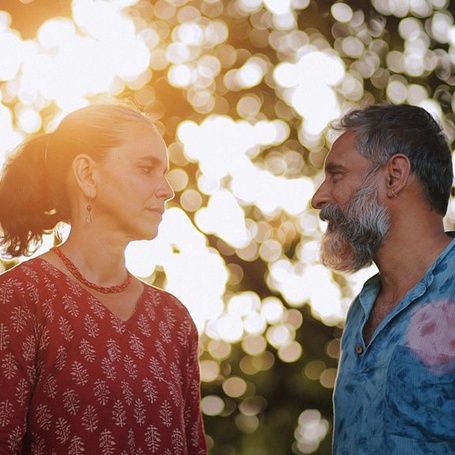
Vikram Nanjappa
Vikram Nanjappa likes to be described as an interested and well-informed amateur. He draws his inspiration from the band of men called the Orientalists, most of whom were amateurs. By profession, they were soldiers and administrators. However, today, they are remembered as giants of scholarship. Like them, his field of enquiry is ‘Man and Nature : whatever is performed by the one or produced by the other’.
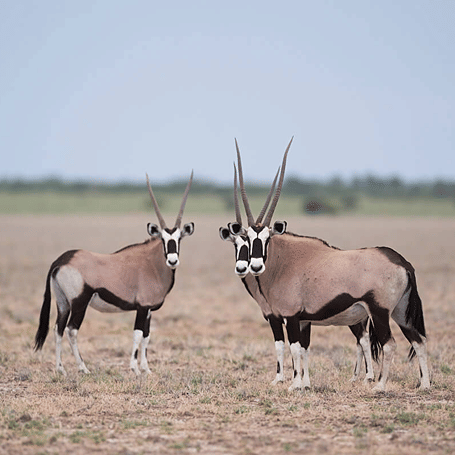
Desert Adaptations: How Wildlife Survives in the Central Kalahari

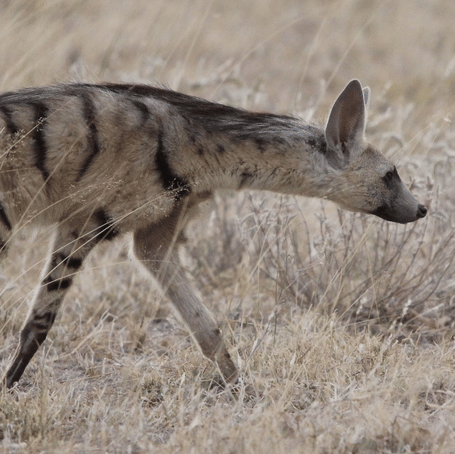
After Dark in the Central Kalahari Game Reserve - A journey into the nocturnal heart of Botswana’s great desert wilderness
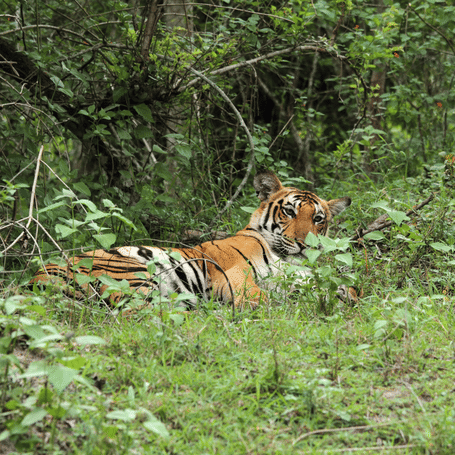
The Kabini Paradox: How Tigers and Leopards Thrive Side by Side
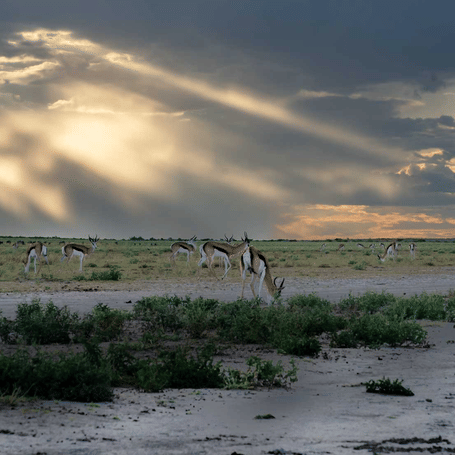
Why the Central Kalahari Game Reserve Feels Different from Other Safaris in Botswana
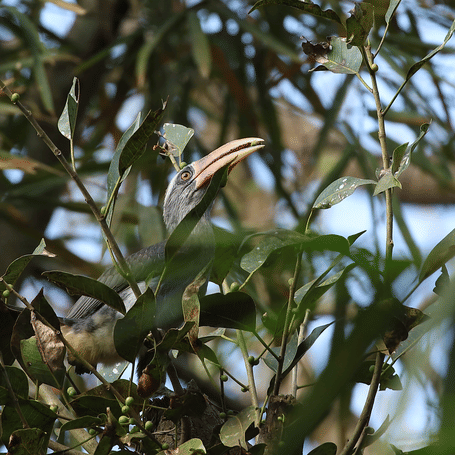
Birdwatching around the Coffee Forests of Coorg
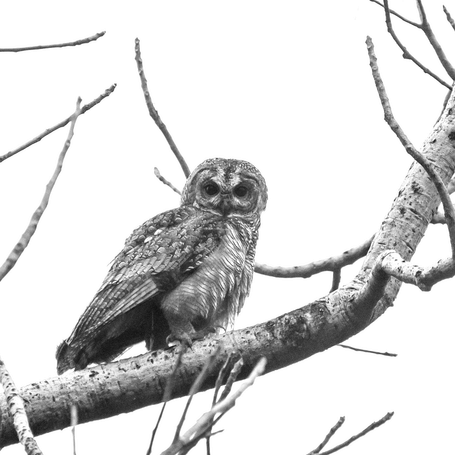
Guardians of the Darkness: Owls of Kabini Part 2
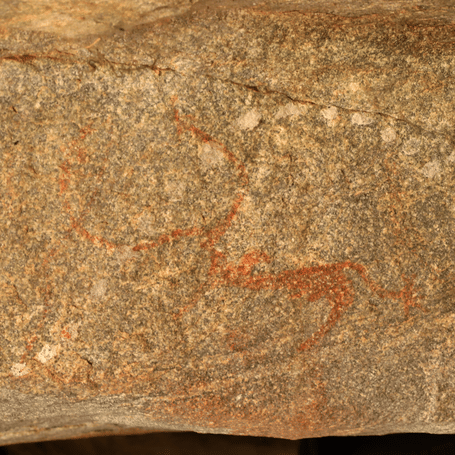
The Rocks Remember: Exploring Karnataka's Prehistoric Landscapes
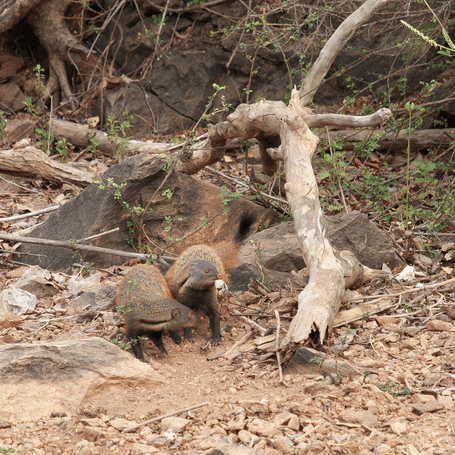
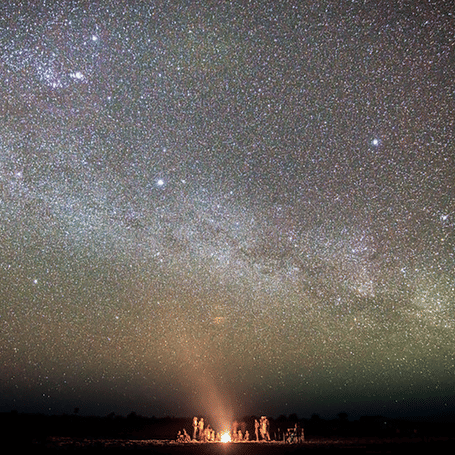
Kalahari Myth & Magic: Folklore from the Desert
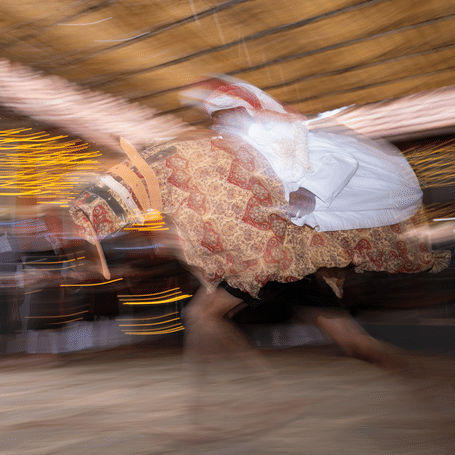
The Horses That Run for a Goddess: Kudure vésha at the Kavadi Bhagavathi Temple, Kodagu
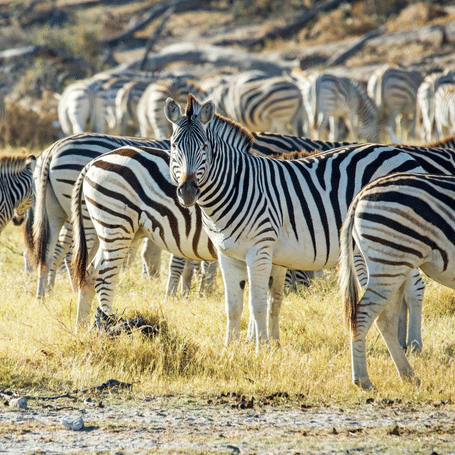
Predators of the Central Kalahari: More Than Just Lions
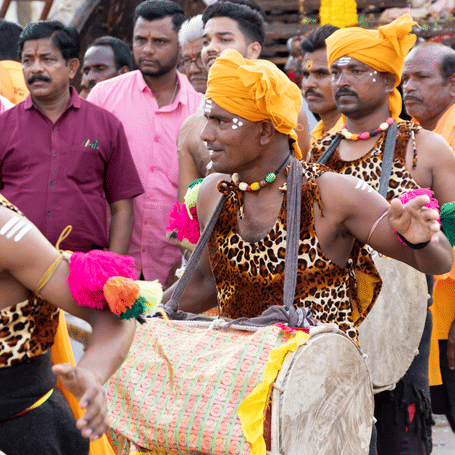
Heritage in motion: Anegundi’s Sri Ranganathaswamy Rathotsav
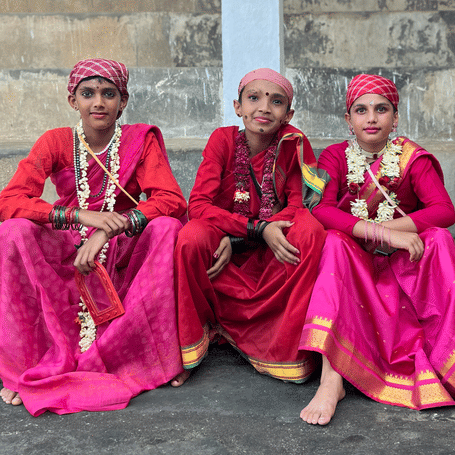
Boys Become the Goddess: Feminine Embodiment at Kodagu’s Kavadi Bhagavathi Festival
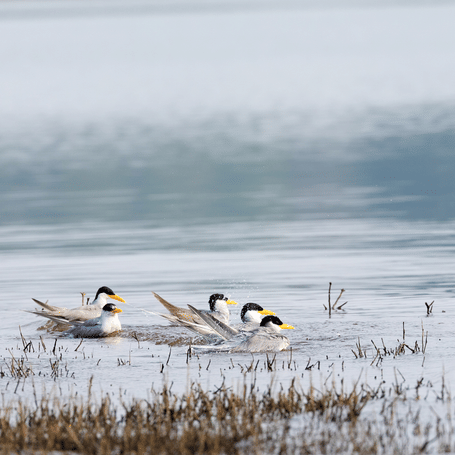
Migratory Birds of Kabini: Winter Visitors to Nagarhole’s Waters
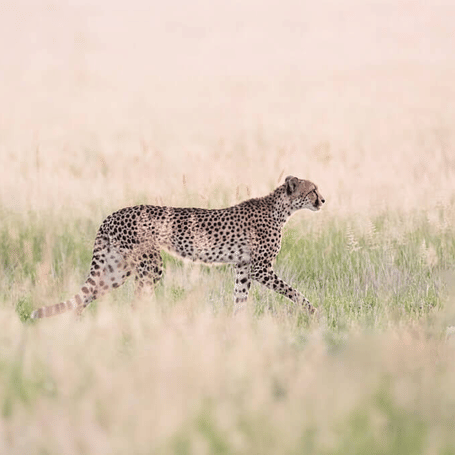
The Central Kalahari Game Reserve’s Cheetahs: Speed on the Salt Pans
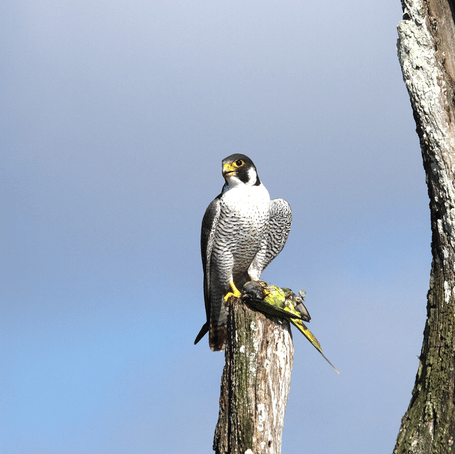
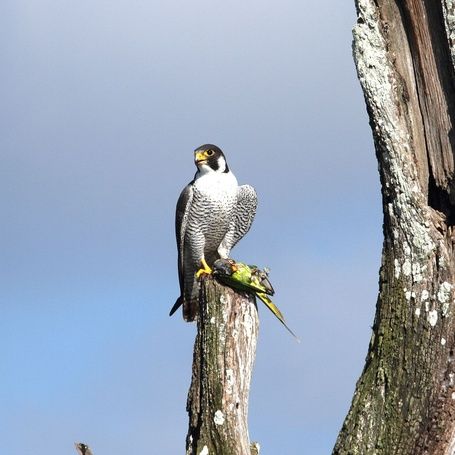
The Tiger of the Skies: An encounter with the Peregrine Falcon
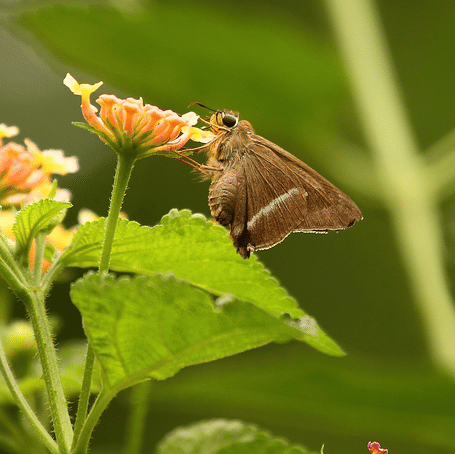
Butterfly Safari in the Western Ghats: a possibility? - Part 2
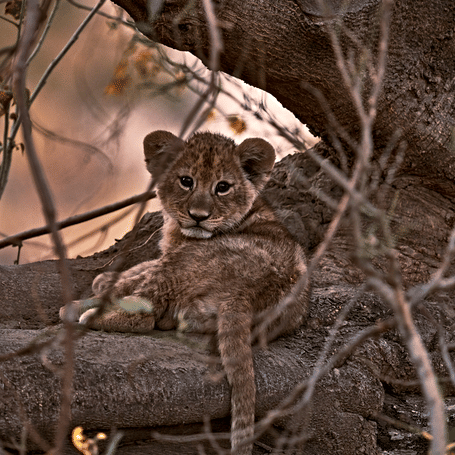
A Photographer’s Guide to the Central Kalahari Game Reserve - Light, dust, dramatic skies and the art of capturing desert wildlife
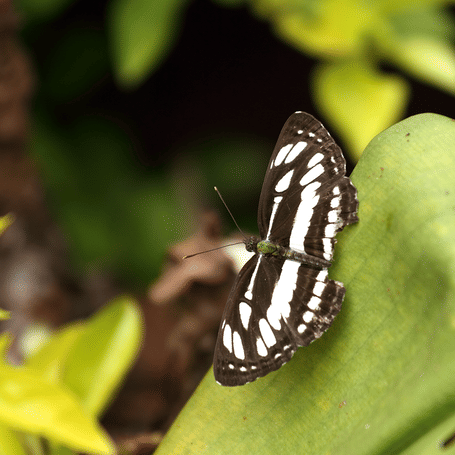
Butterfly Safari in the Western Ghats: a possibility?
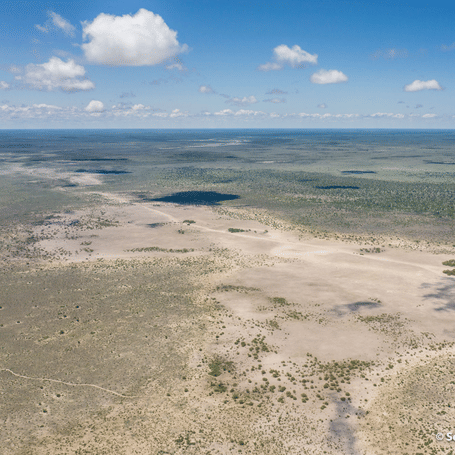
Desert Bones and Dust Trails: Reading the Kalahari’s Ancient Ground
Life in the Sands: The Surprising Riches of the Kalahari
Peek into Coorg’s Culture at Madikeri’s Government Museum
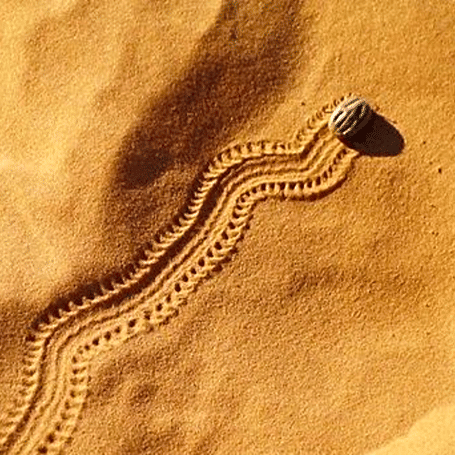
The Kalahari in Miniature: What You Miss When You Only Look for Big Game
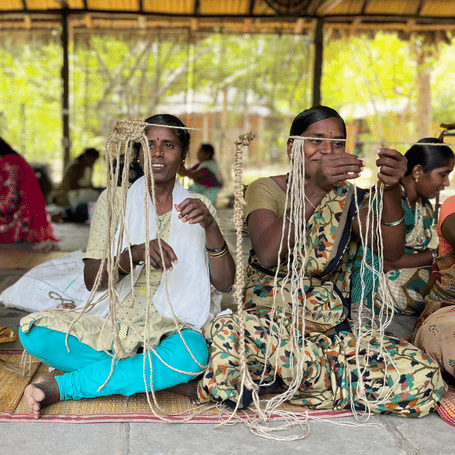
Anegundi’s quiet empire of women: the banana-fibre story

Little Feet, Ancient Rhythms: Young Keepers of the Kodava Culture
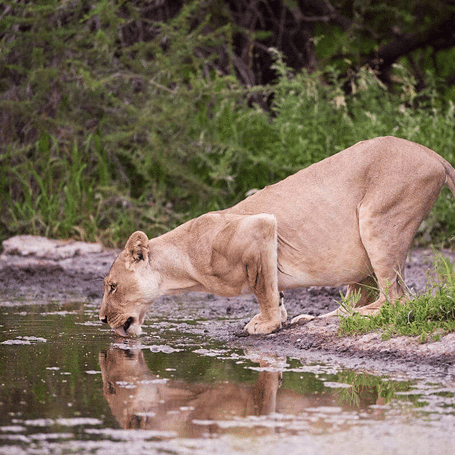
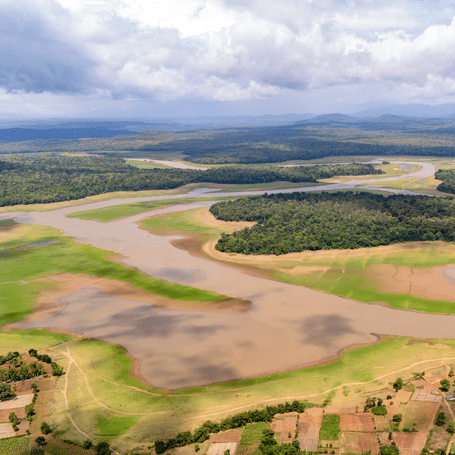
Water, Wildlife, and the Art of Waiting in the Kalahari
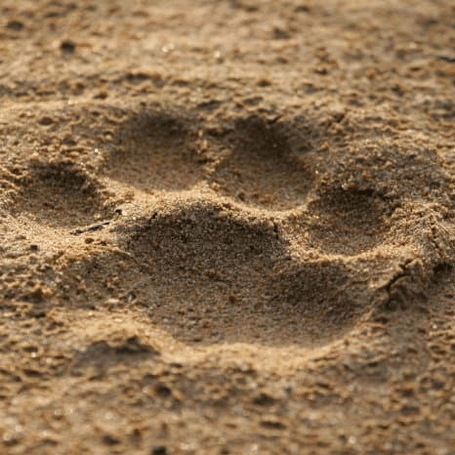
Tracking Wildlife: What the Sand Tells You in the Kalahari
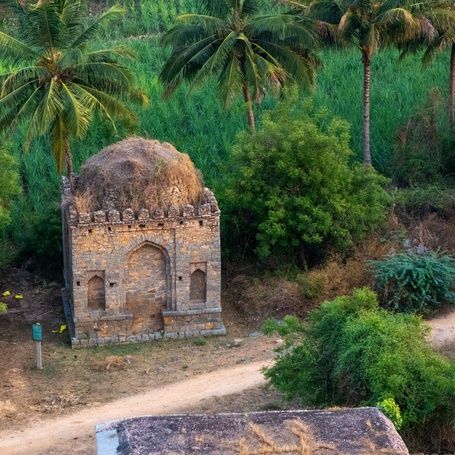
Singing of confluences, tangible and intangible
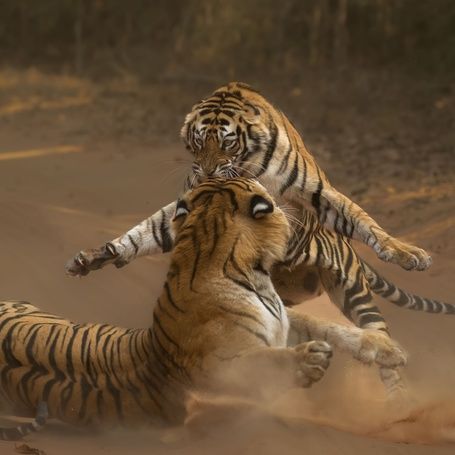
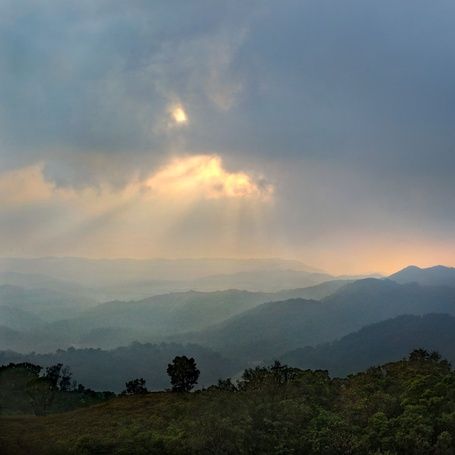
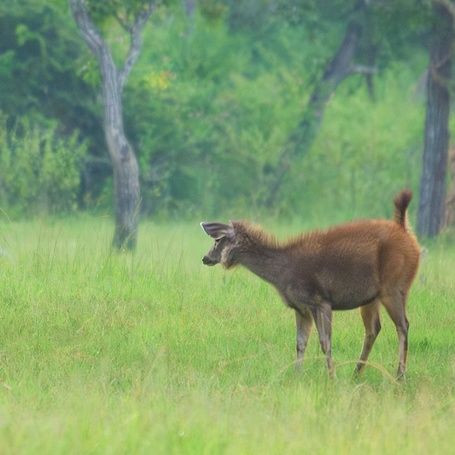
Strange Encounters: What We See and What We Miss
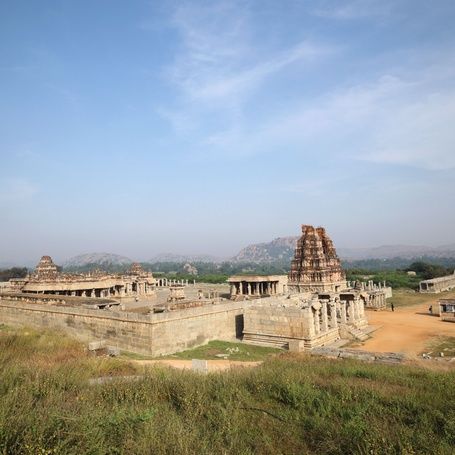
Water, Stone, and Empire: Reading Vijayanagara in the Evolve Back Kamalapura Palace
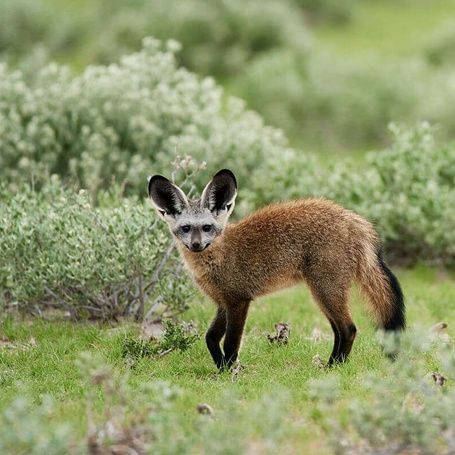
The Unusual Suspects: Creatures You Didn’t Expect in the Kalahari
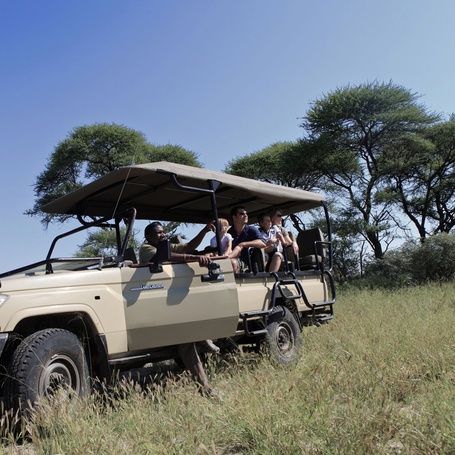
The Ultimate Family Safari: Multigenerational Travel in Africa Creates Unforgettable Bonds
)
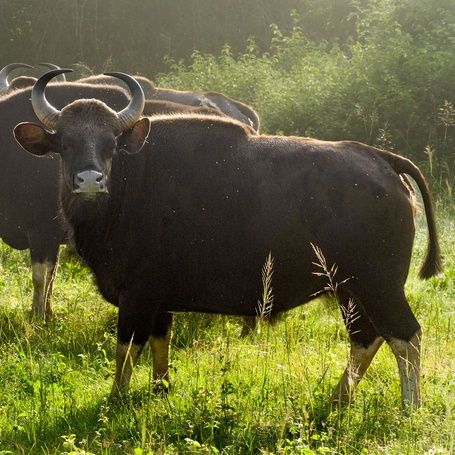
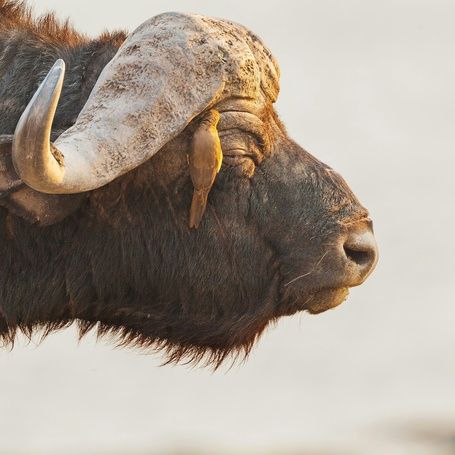
Locking Horns: An Afternoon with the Other King
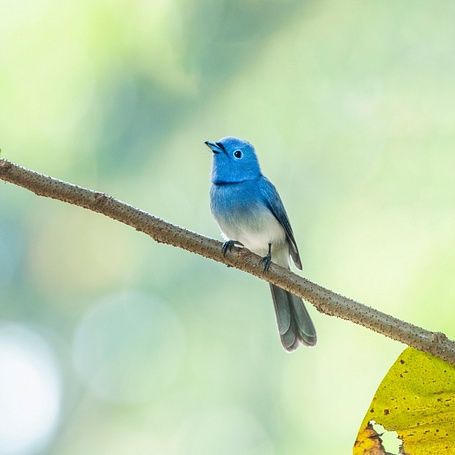
The Arboreal By-lanes of Coorg: A Street Photographer's Foray into Bird Photography
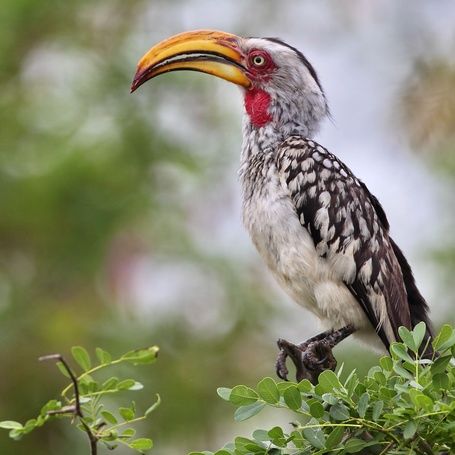
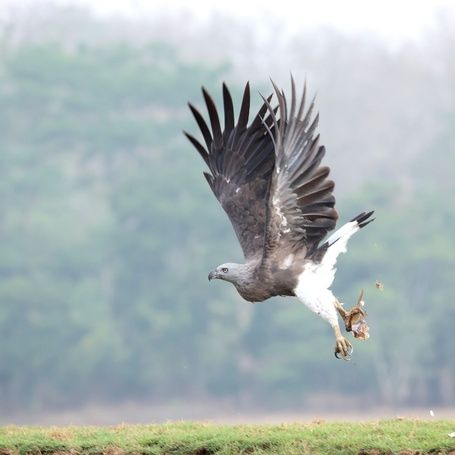
Lone Warrior: An Encounter with the Grey-headed Fish Eagle
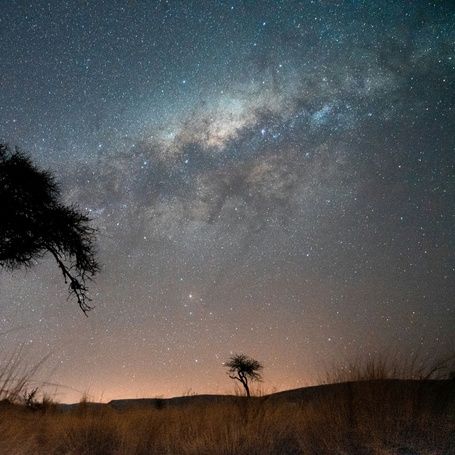
Under the Kalahari Sky: A Journey Through Africa’s Night Sky
)
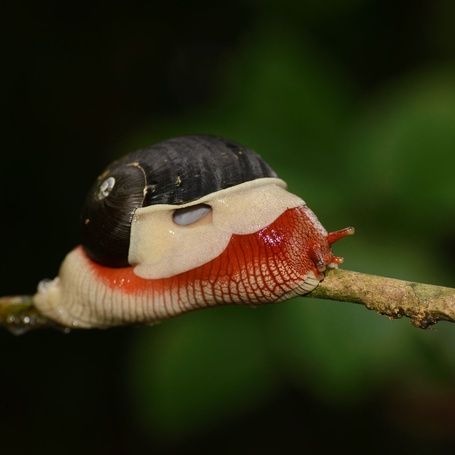
Reptilian Sibilances, Mollusc Stillnesses, Fern Rustlings
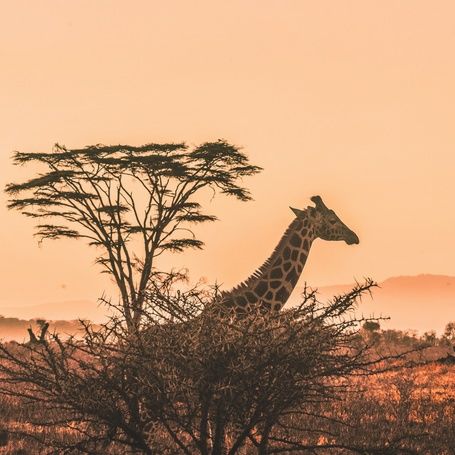
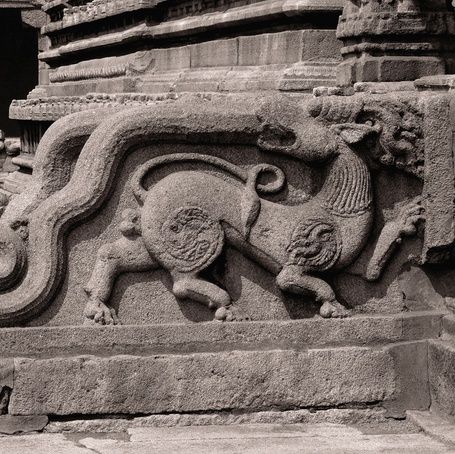
)
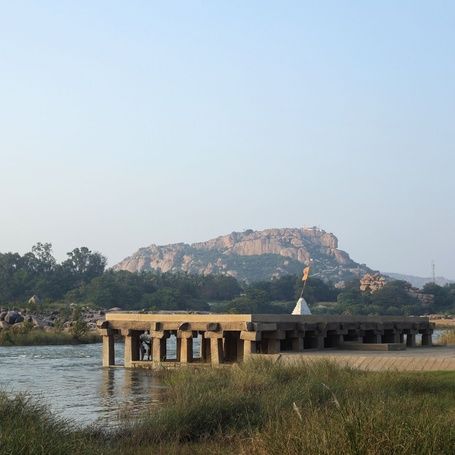
Sri Purandara Mantapa: A hall that echoes the raagas of devotion
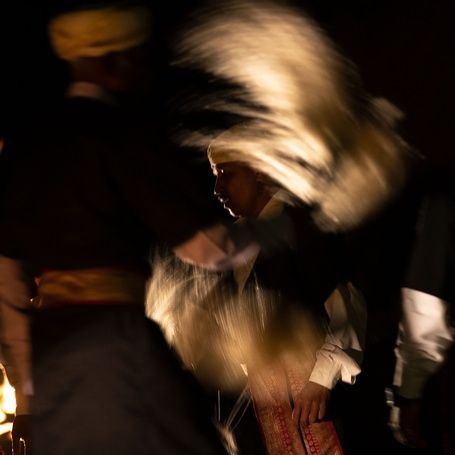
Cultural Extravaganza: Kodava Music & Dance Forms
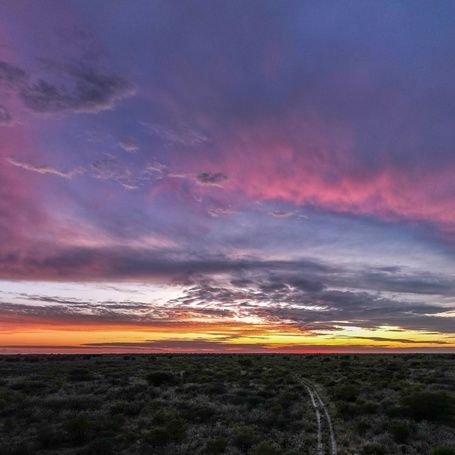
The Kalahari Skies: An Everchanging Canvas of Colour
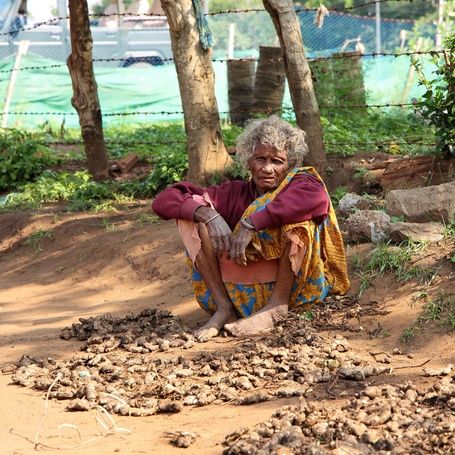
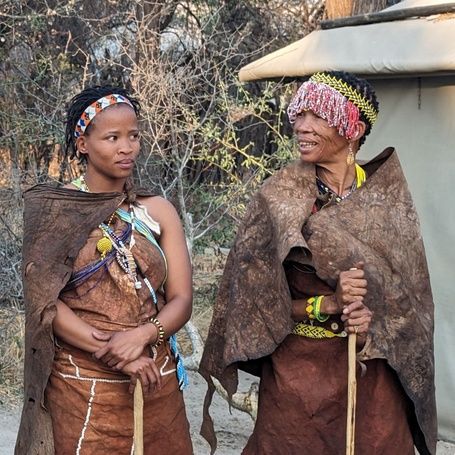
The San People of the Central Kalahari Game Reserve: Guardians of an Ancient Culture
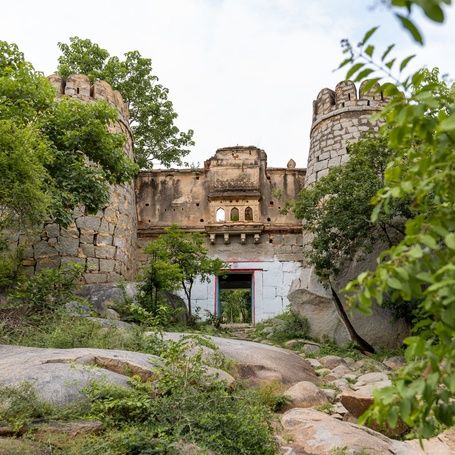
Anegundi: ‘Monkey Business’ in the ‘Elephant Pit’
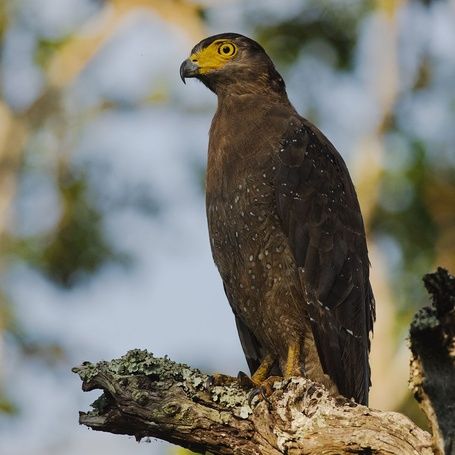
)
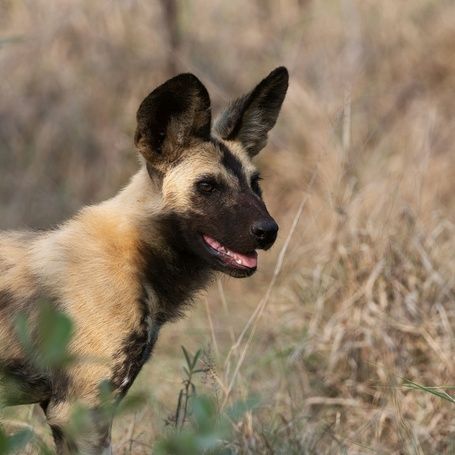
African Wild Dogs - one of Africa's most captivating carnivores and most endangered species
)
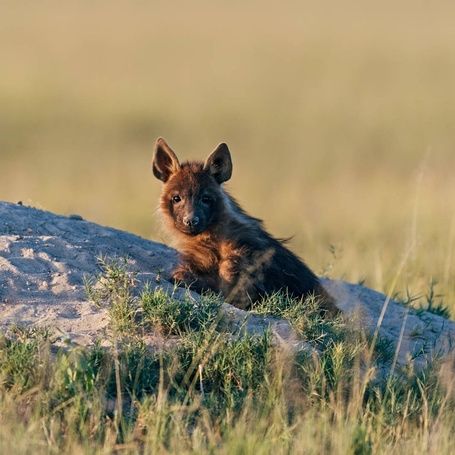
Discovering the Brown Hyenas of the Central Kalahari Game Reserve
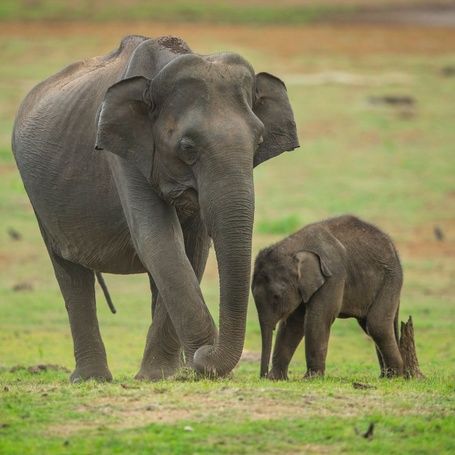
An Aural Journey through Nagarahole: The Sound of Life
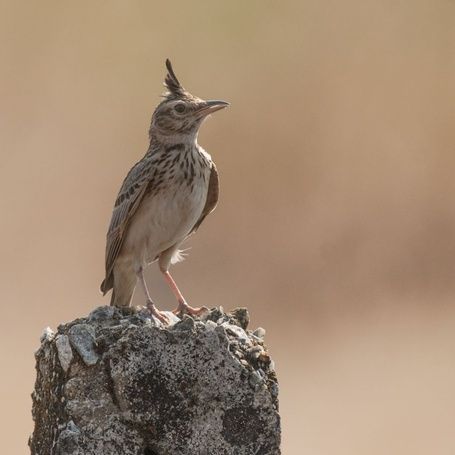
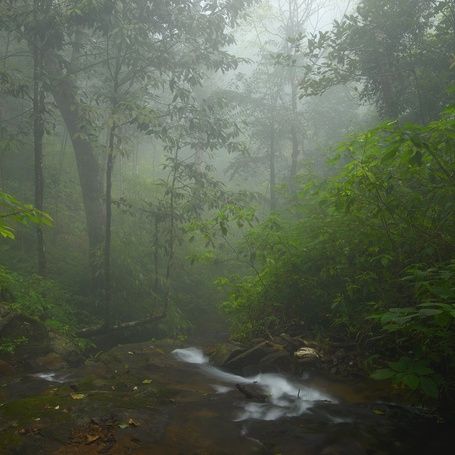
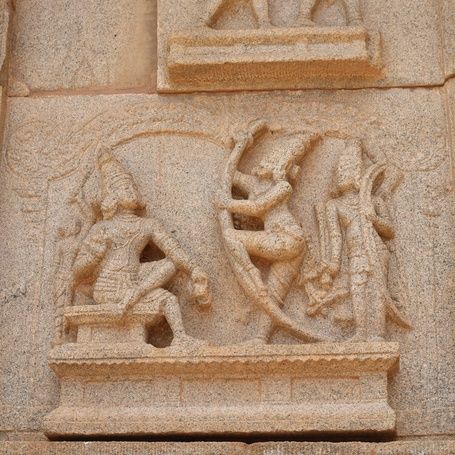
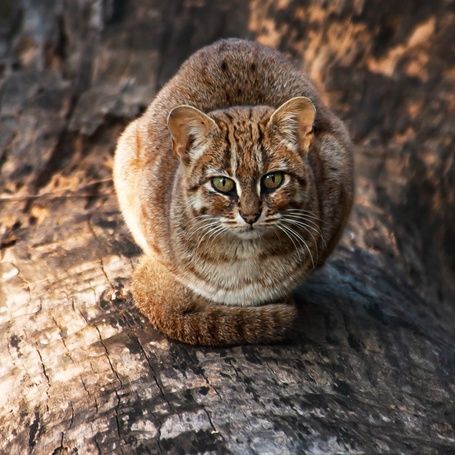
Five Wildlife Sightings You Can Expect Without Going on Safari
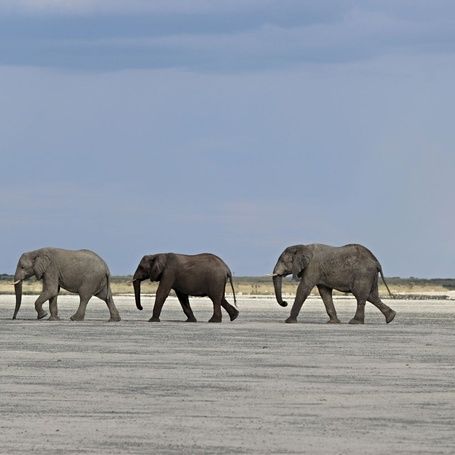
Into the Valley of Deception: The Central Kalahari Game Reserve
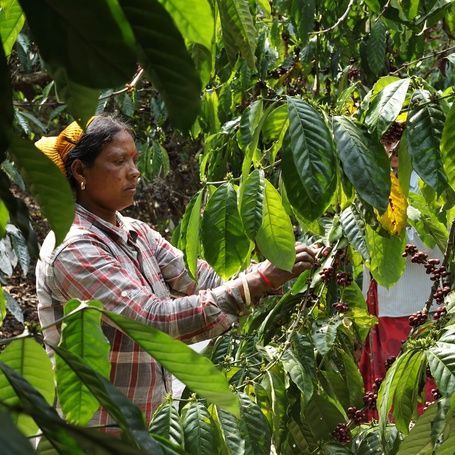
The Cup That Cheers: The Changing Taste of Coffee
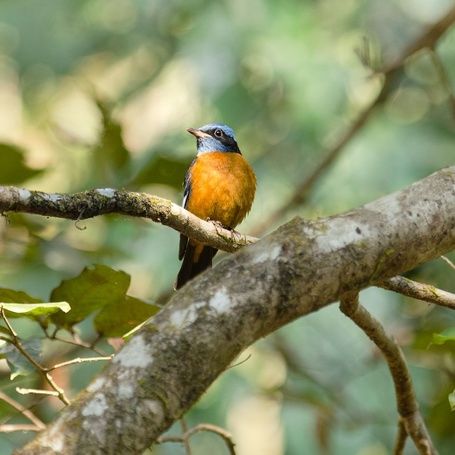
)
)
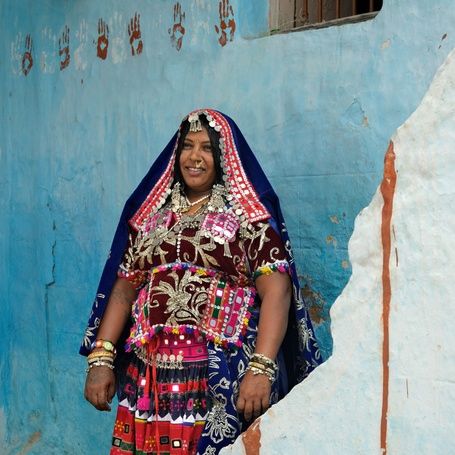
Craft Calling: Traditional Lambani Arts and Crafts and the Sandur Kushala Kala Kendra
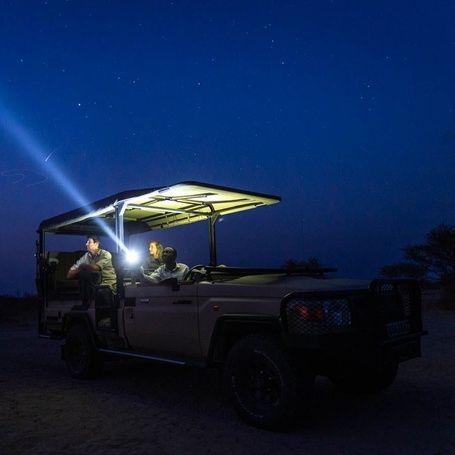
Into the night – nocturnal life in the Kalahari
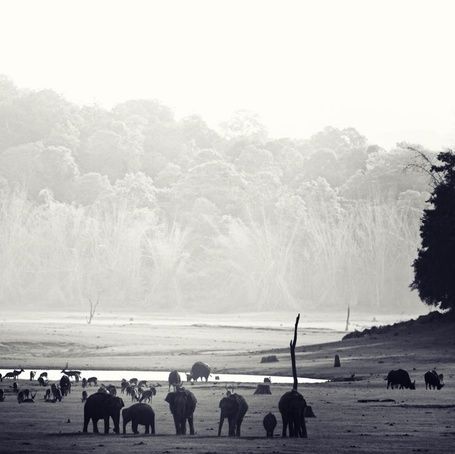
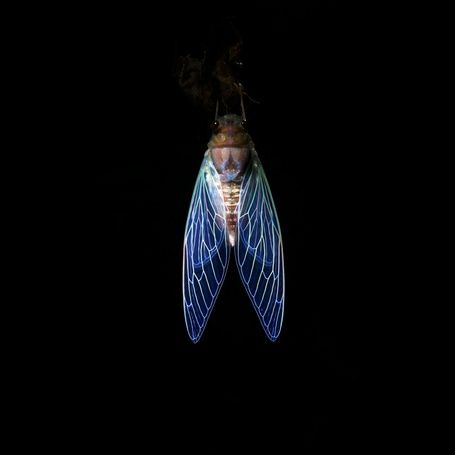
An Aural Journey through Nagarahole: The Language of Deception
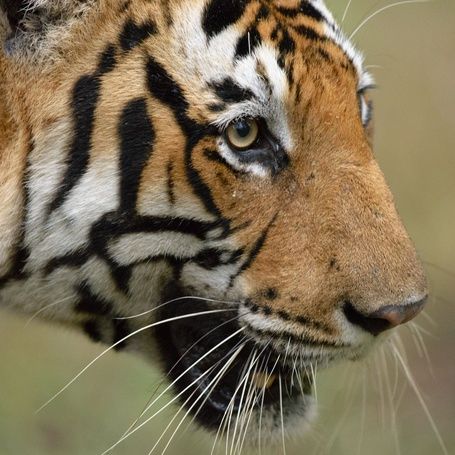
An Aural Journey through Nagarahole: The Sound of Tardiness
)
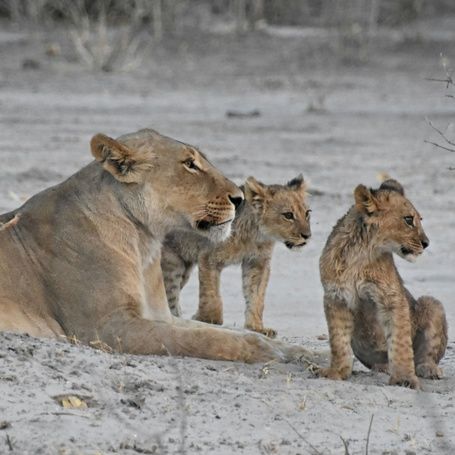
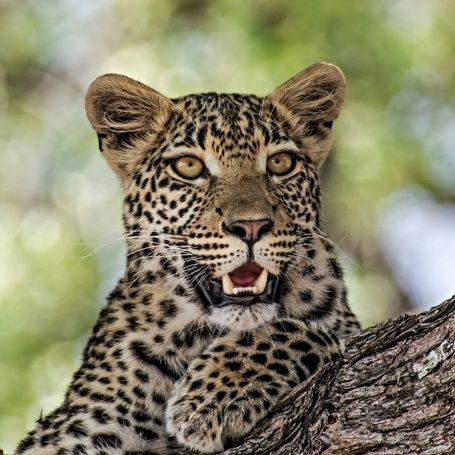
Taking Terrific Photos on Safari: Getting the Trophy Shot
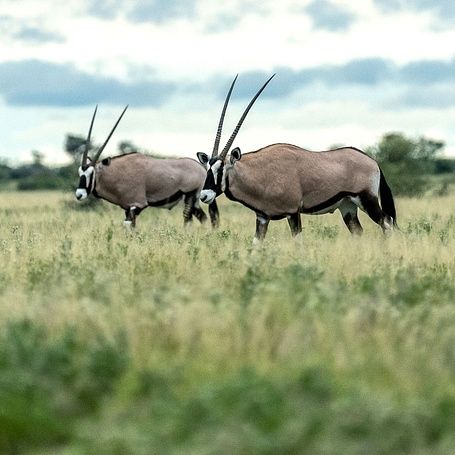
Adapt and Survive: Reaching the Pinnacle of Specialisation
)
)
An Aural Journey through Nagarahole: The Seen and the Sawing
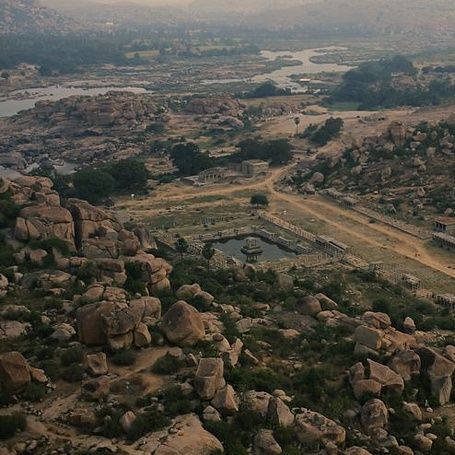
Hampi Ruins in the 1900s: Stellar Photographs From A Forgotten Historical Text
)
Touring Kabini with Your Eyes Closed: An Aural Journey through Nagarahole: Alarms True and False
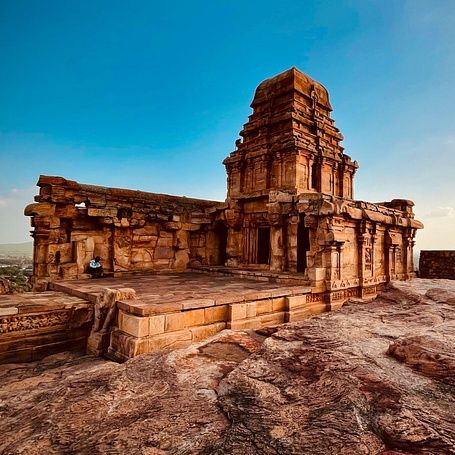
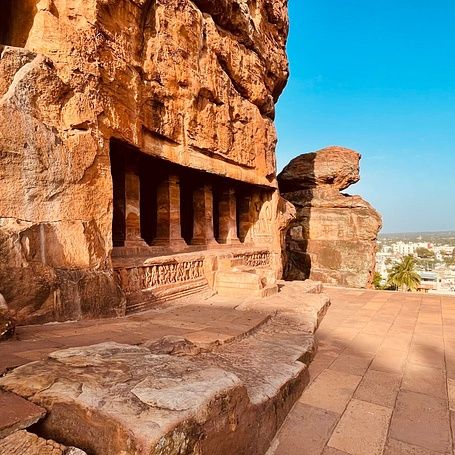
North Karnataka’s Threesome — Badami, Aihole, & Pattadakallu
_-_Arboreal_Reptile)
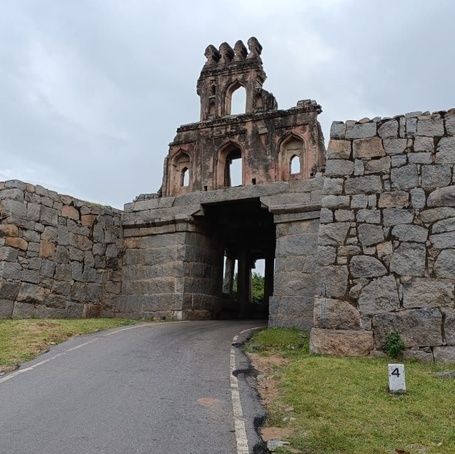
Hampi Ruins in the 1900s — The Gateways into the City
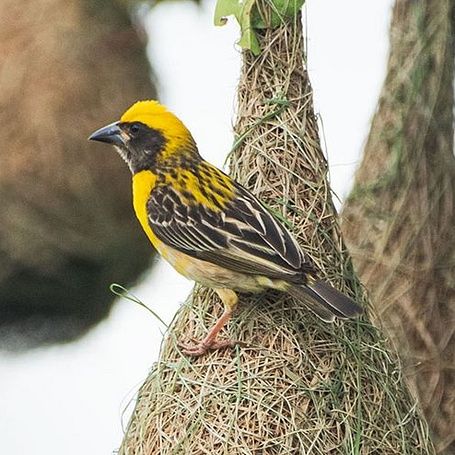
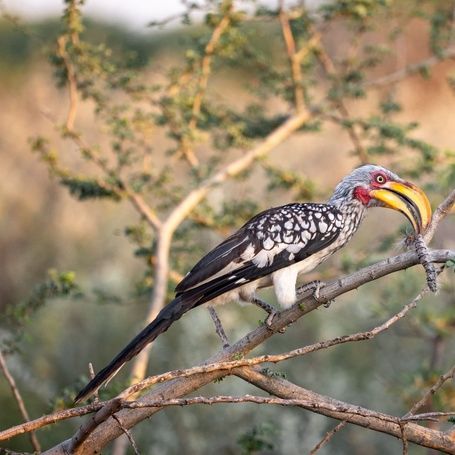
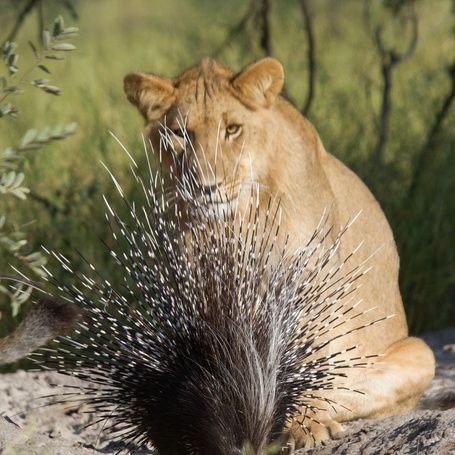
A Lone Porcupine fights off an entire pride of Lions!
)
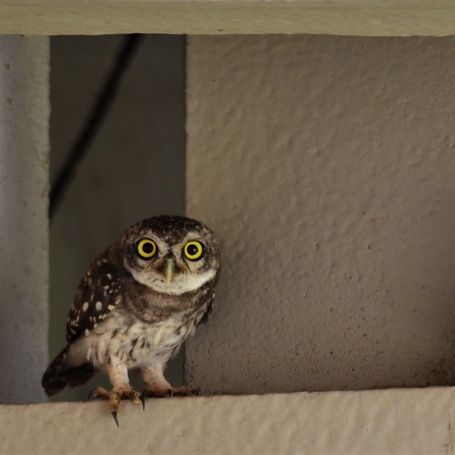
The cute little denizens of the Kamalapura Palace, Hampi
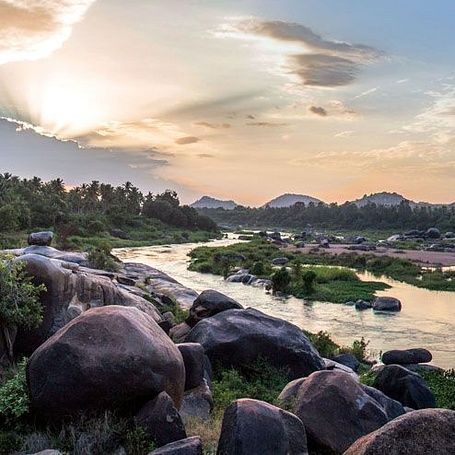
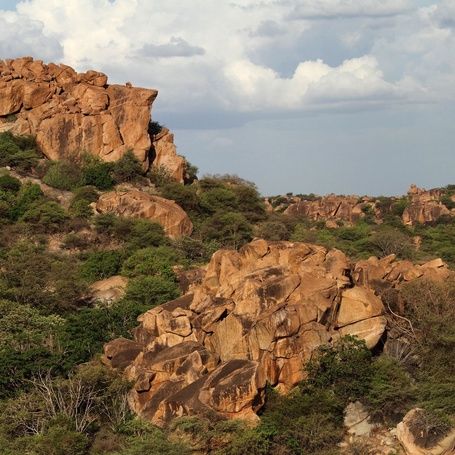
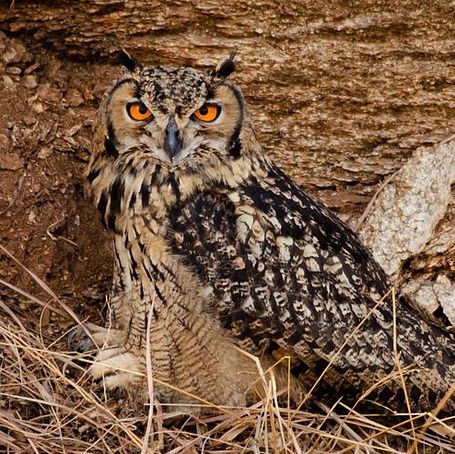
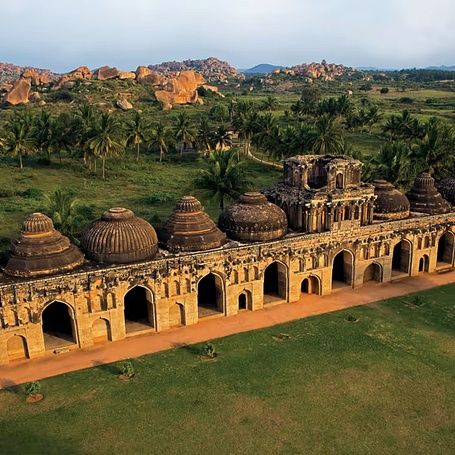
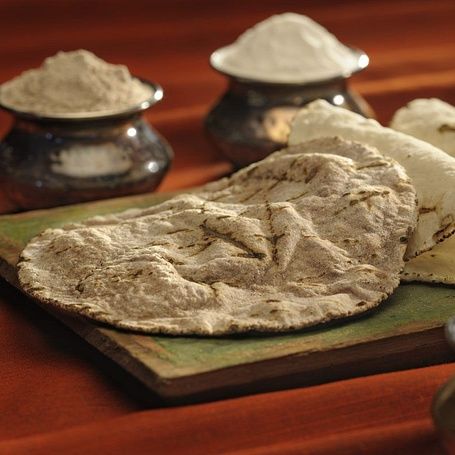
From the Kitchens of Evolve Back – Jallad Roti | Akki Roti
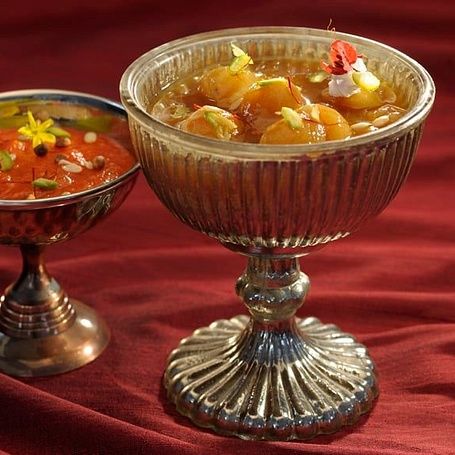
From the Kitchens of Evolve Back – Qubani ka Meetha and Shahjahani ka Meetha
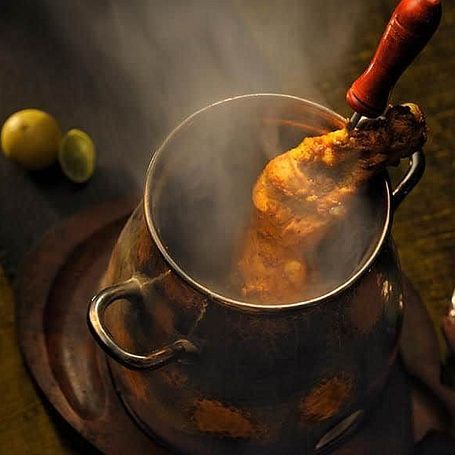
From the Kitchens of Evolve Back – Murgh-e-Lazeez
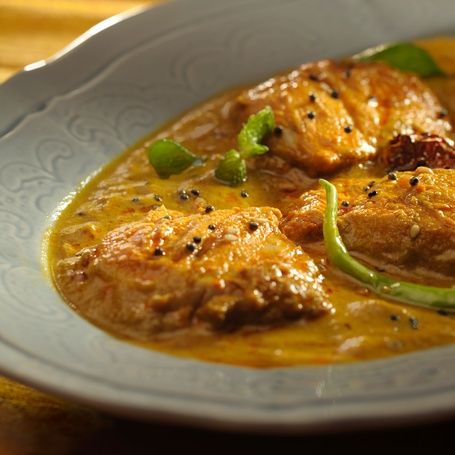
From the Kitchens of Evolve Back – Nizami Machali ka Salan
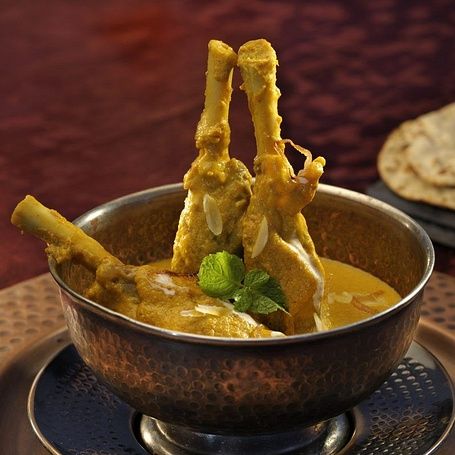
From the Kitchens of Evolve Back – Dum ki Nalli
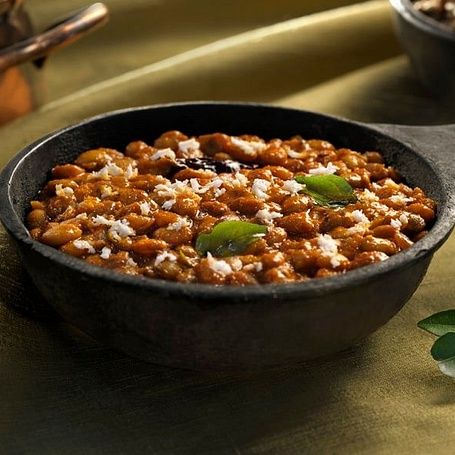
From the Kitchens of Evolve Back – Anapa Ginjala Pulusu
_movie_poster_featuring_elephant,_boy,_and_tiger.)
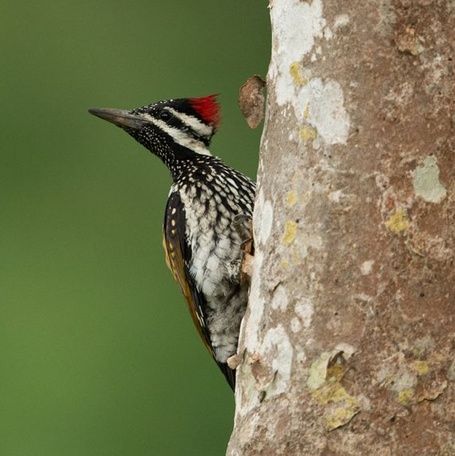
An Aural Journey through Kabini: Pre-Dawn Critters and Jitters
)
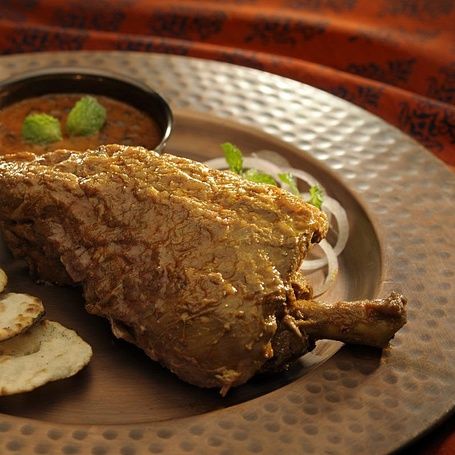
From the Kitchens of Evolve Back – Raan-e-Kamalapura
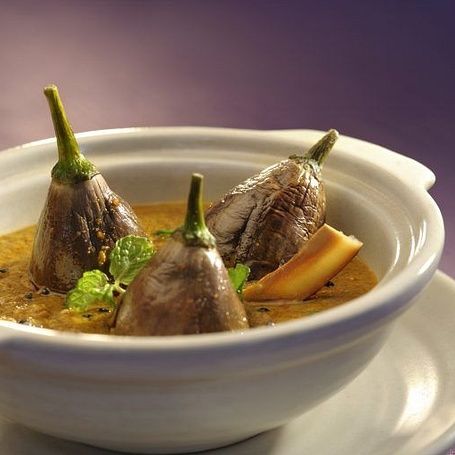
From the Kitchens of Evolve Back – Baghara Baingan
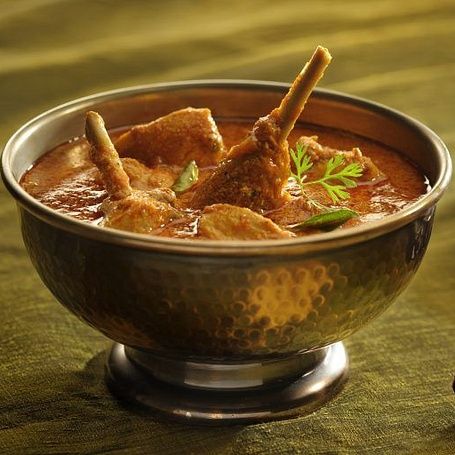
From the Kitchens of Evolve Back – Natukodi Pulusu
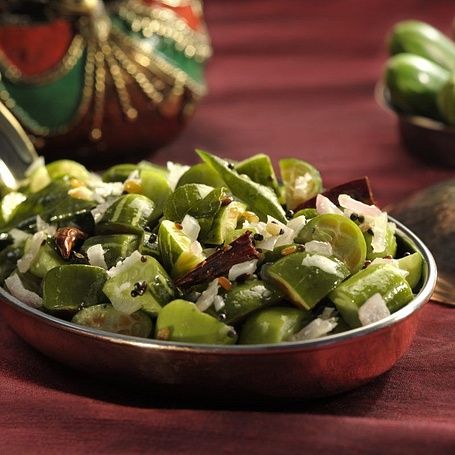
From the Kitchens of Evolve Back – Tondekai Palya
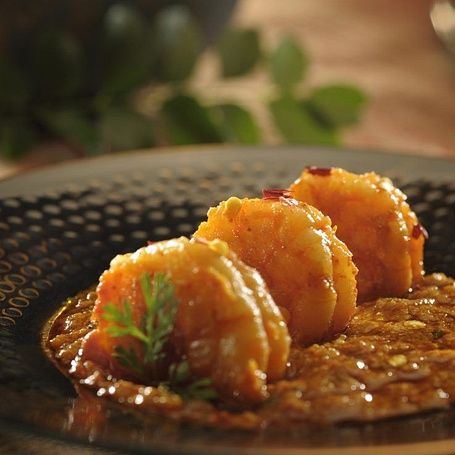
From the Kitchens of Evolve Back – Royala Igaru
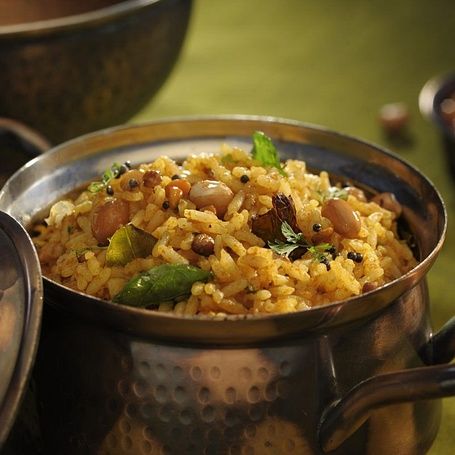
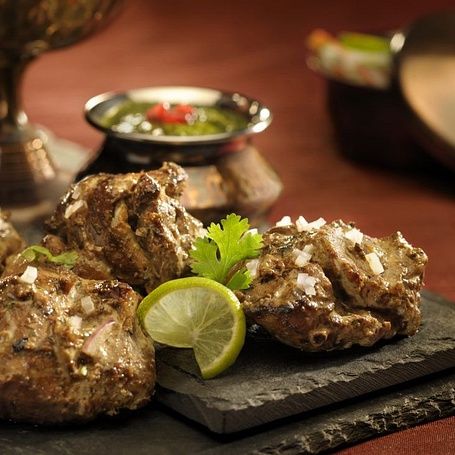
From the Kitchens of Evolve Back – Koli Chuttada
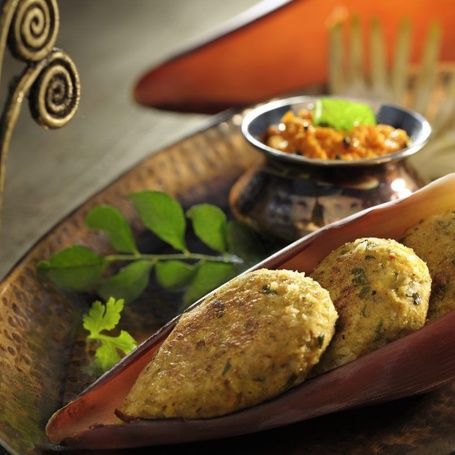
From the Kitchens of Evolve Back – Karibelle Cutlet
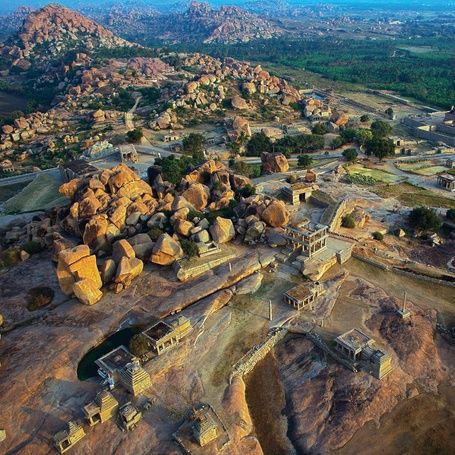
The Battle of Talikota and the Sacking of Hampi
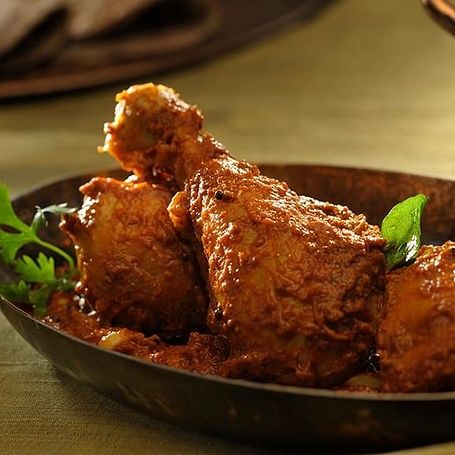
From the Kitchens of Evolve Back – Kori Ghee Roast
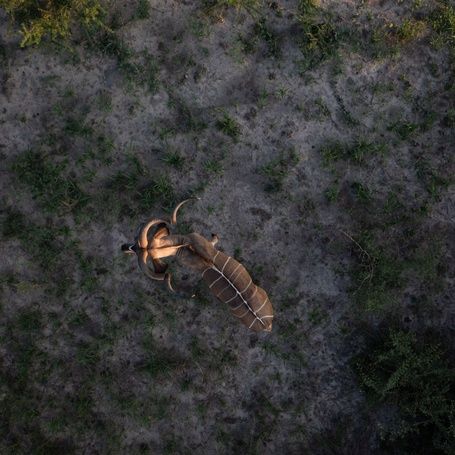
)
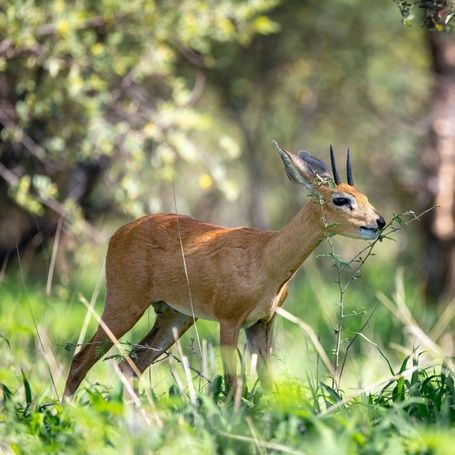
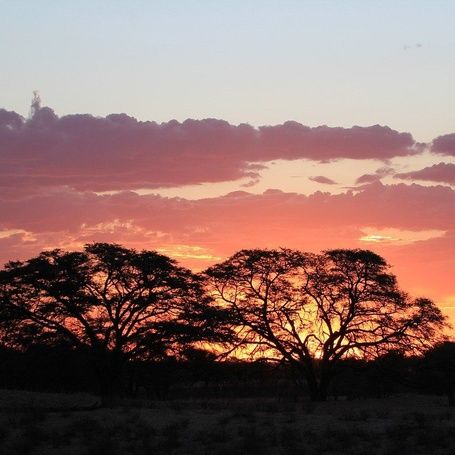
Ten Interesting Facts About the Kalahari Desert
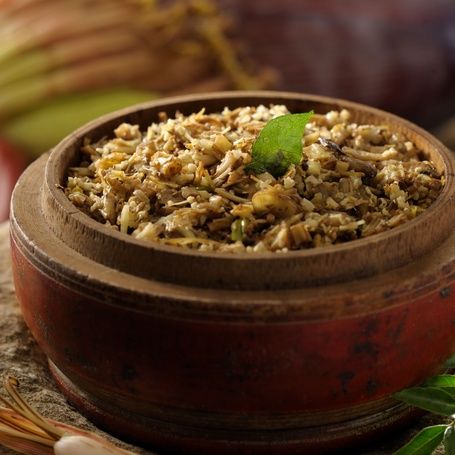
From the Kitchens of Evolve Back – Vazhachundum Thoran
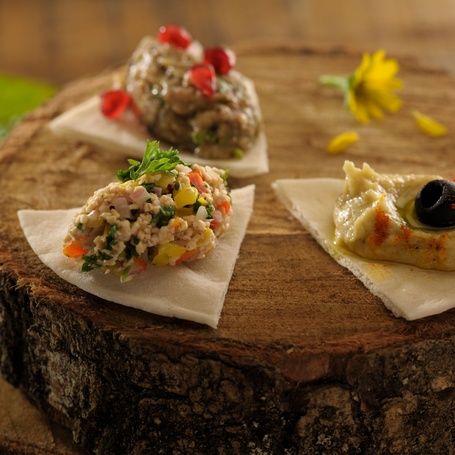
From the Kitchens of Evolve Back – Mezze Platter
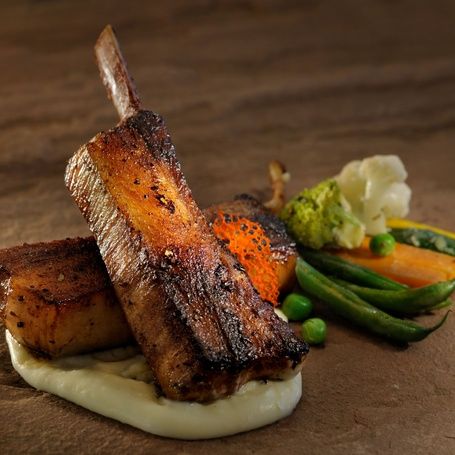
From the Kitchens of Evolve Back – Grilled Pork Ribs
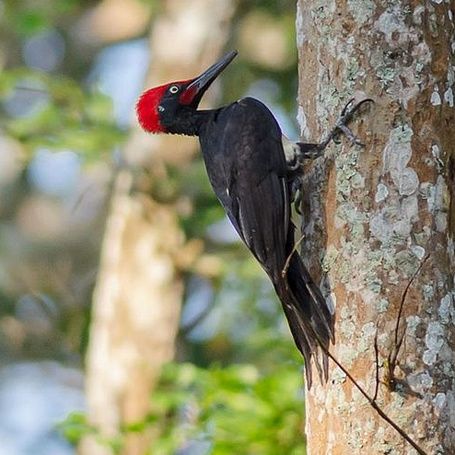
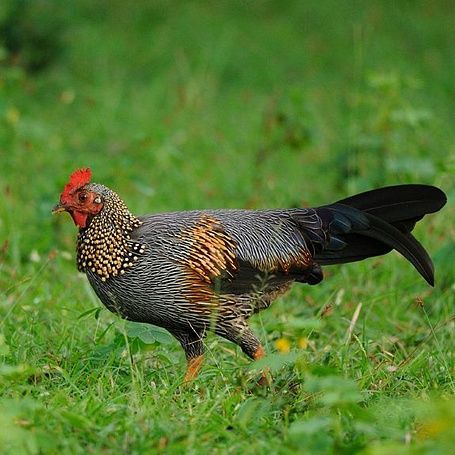
An Aural Journey through Kabini: The Beginnings
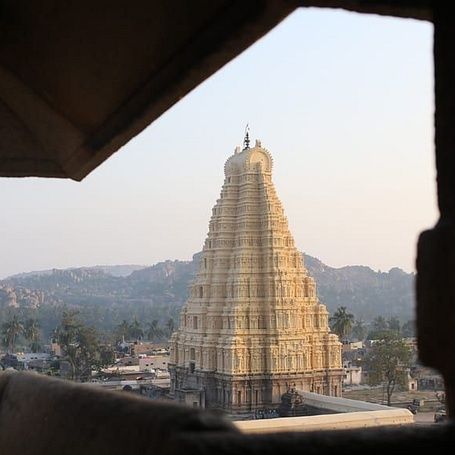
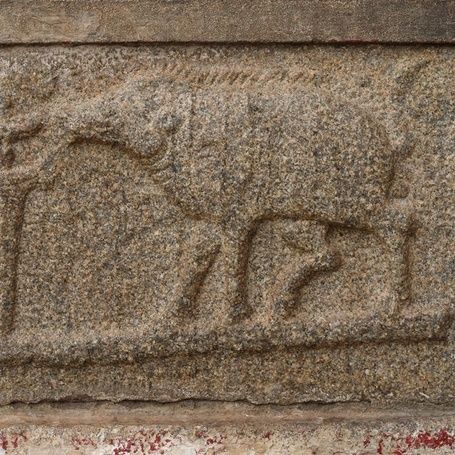
Harihara & Bukka: founders of the Vijayanagara Empire

From the Kitchens of Evolve Back – Pazham Puzhungiyathu
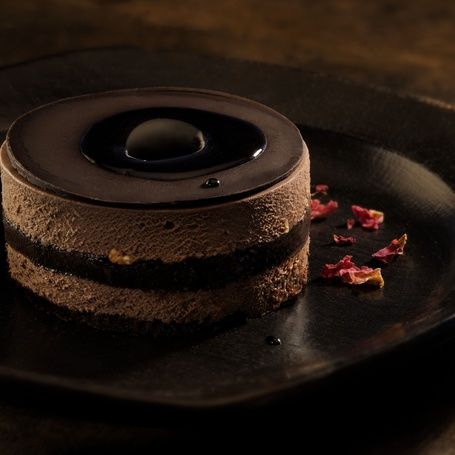
From the Kitchens of Evolve Back – Peppercorn chocolate mousse
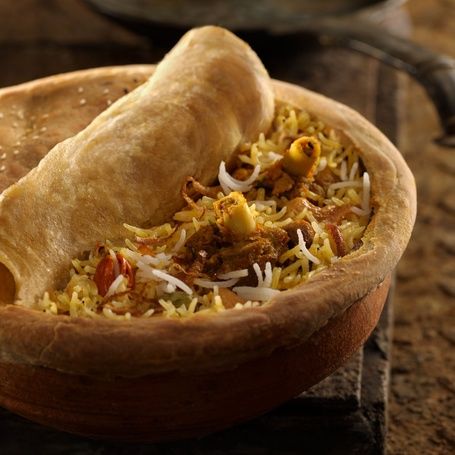
From the Kitchens of Evolve Back – Kabsah Laham Bis
)
From the Kitchens of Evolve Back – Vazhakanda Thoran
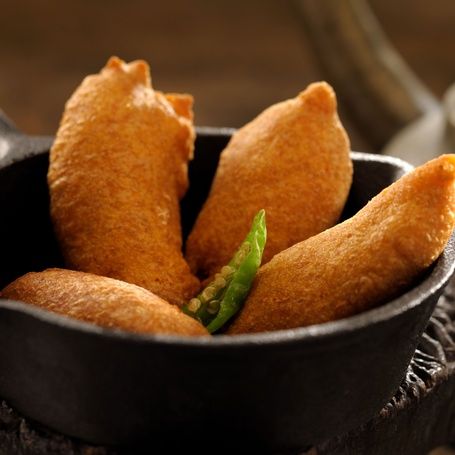
From the Kitchens of Evolve Back – Banana Bajji
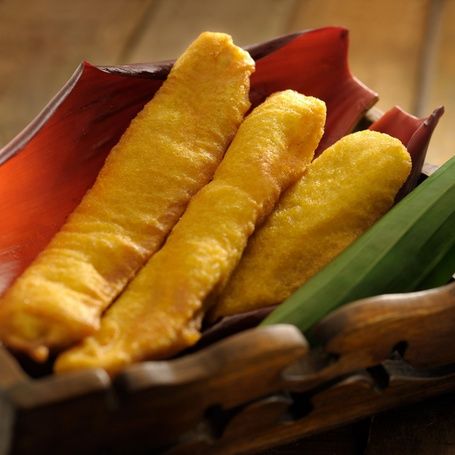
From the Kitchens of Evolve Back – Pazham pori
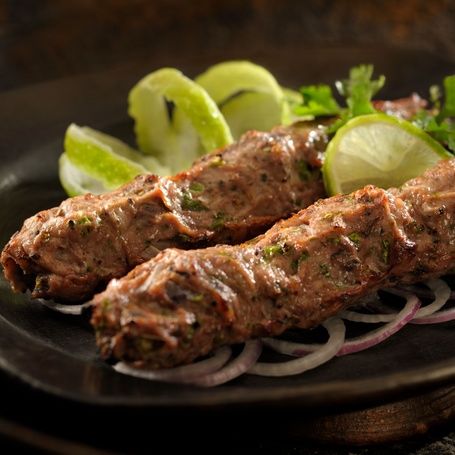
From the Kitchens of Evolve Back – Joojeh – e – Koobideh
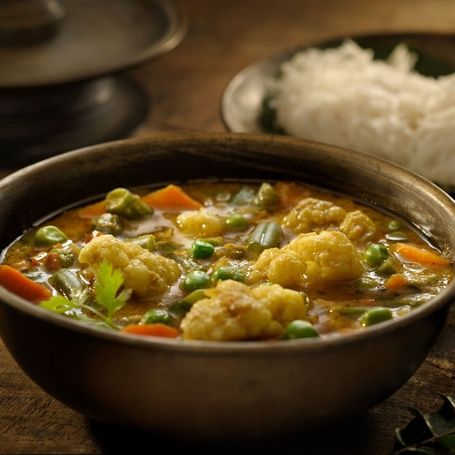
From the Kitchens of Evolve Back – Vegetable Kurma
_-_South_Indian_Delicacy)
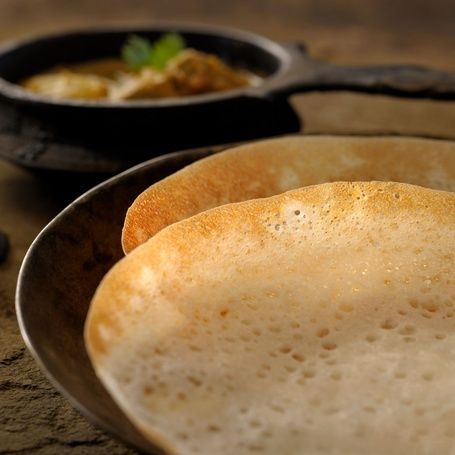
_with_curry.)
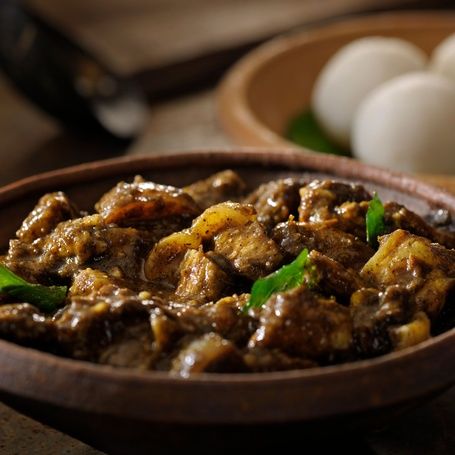
From the Kitchens of Evolve Back – Pandi Curry
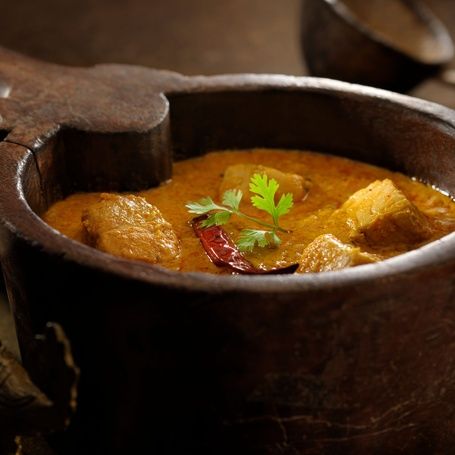
From the Kitchens of Evolve Back – Kerala Fish Curry
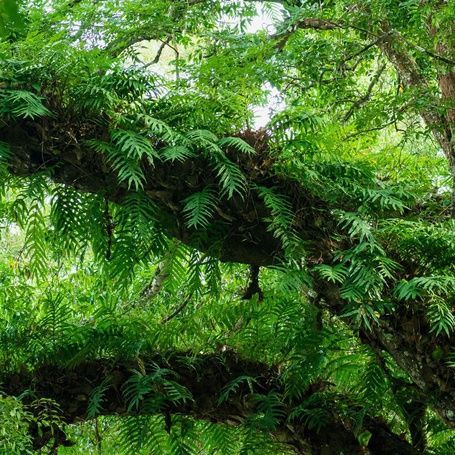
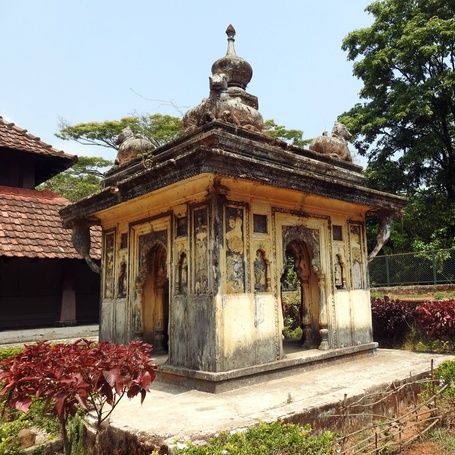
Nalknad Palace – off the beaten track in Coorg
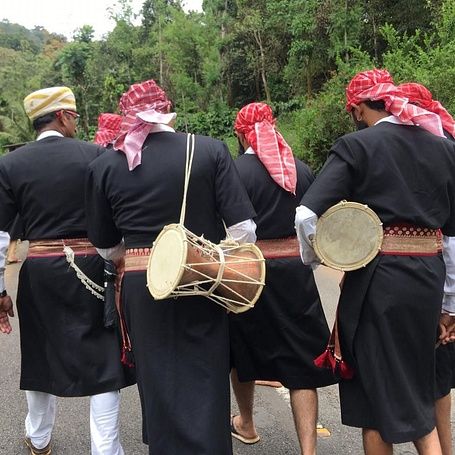
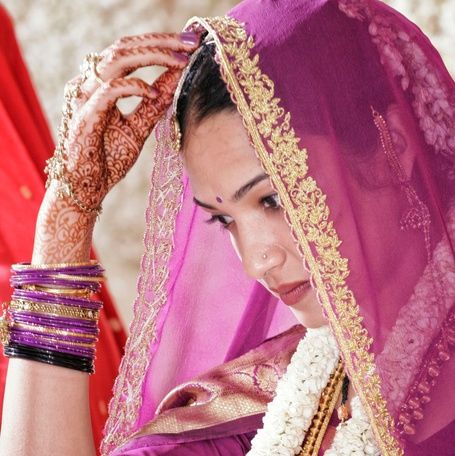
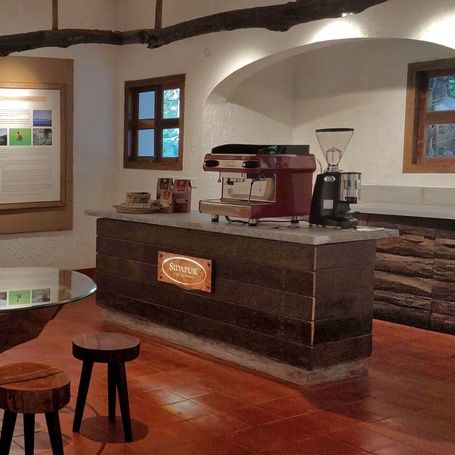
Designing the Sidapur Coffee and Culture Museum
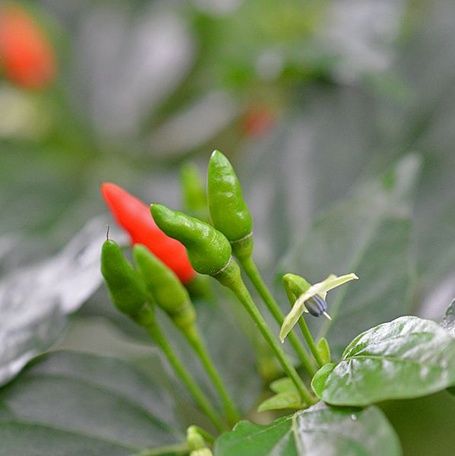

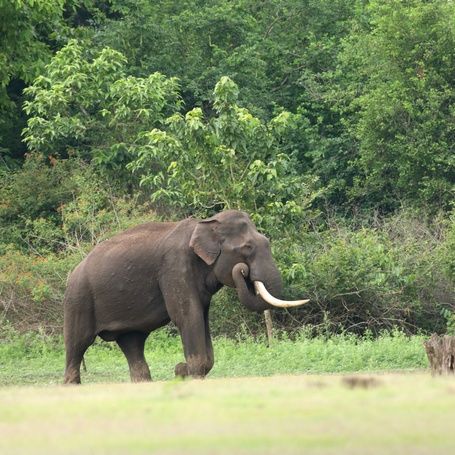
Why you should put a backwater boat safari at the forefront of your Kabini visit – 2
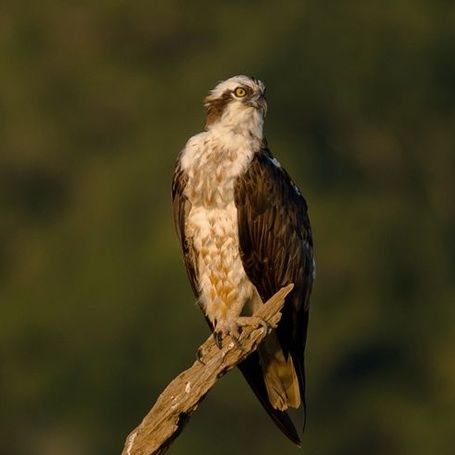
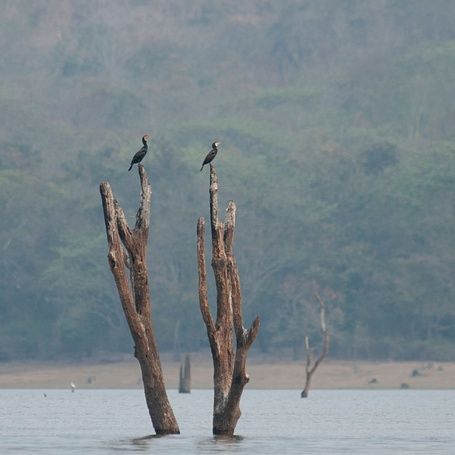
Why you should put a backwater boat safari at the forefront of your Kabini visit – 1
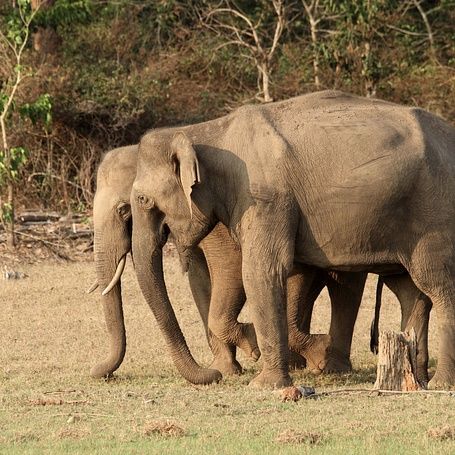
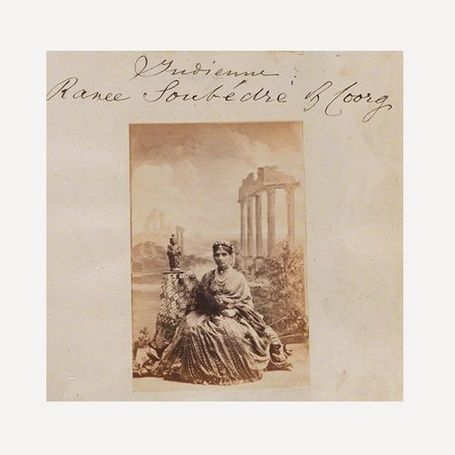
Chikka Veerarajendra of Coorg and his Thirteen Wives
_with_blossoms.)
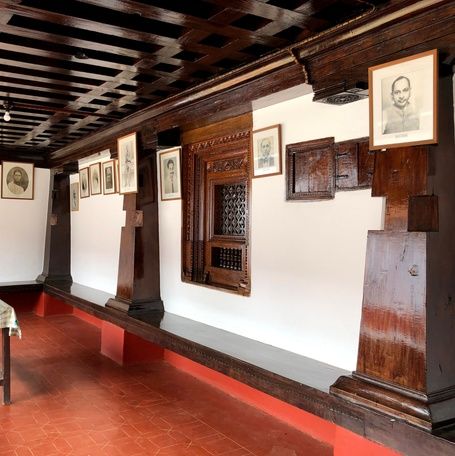
The Architecture of Ainmanes: Form follows Function
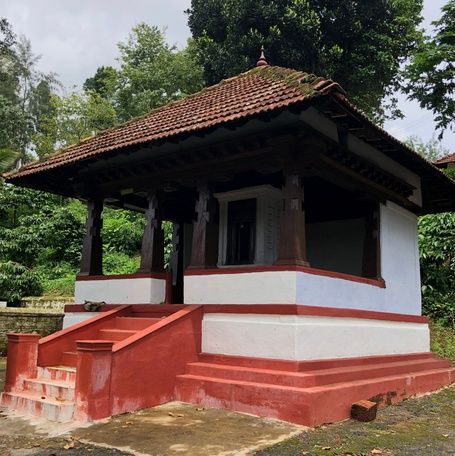
Kodava Ainmanes – the heart of the Kodava Clan
)
)
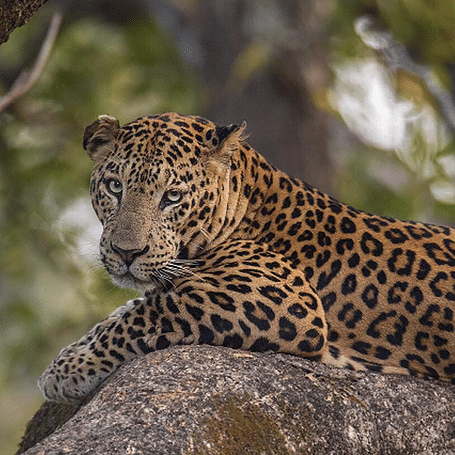
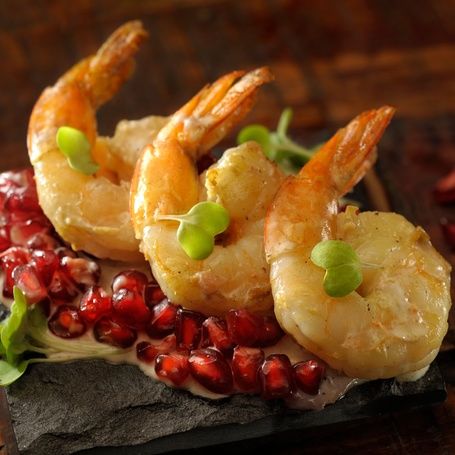
From the Kitchens of Evolve Back – Sutta Sigadi Mathu Hannugalu
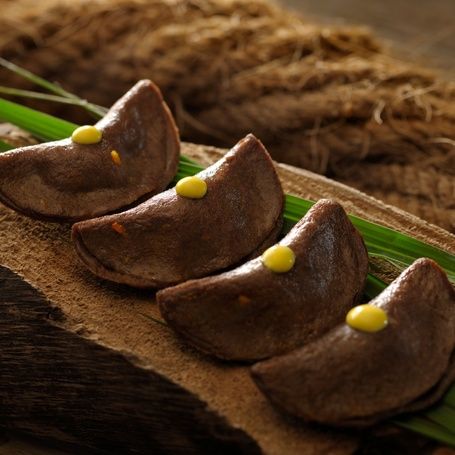
From the Kitchens of Evolve Back – Masala Raagi Cheela
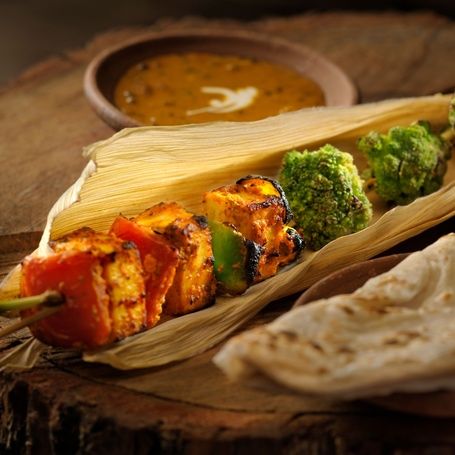
From the Kitchens of Evolve Back – Tandoori Zaffrani Paneer & Tandoori Phool
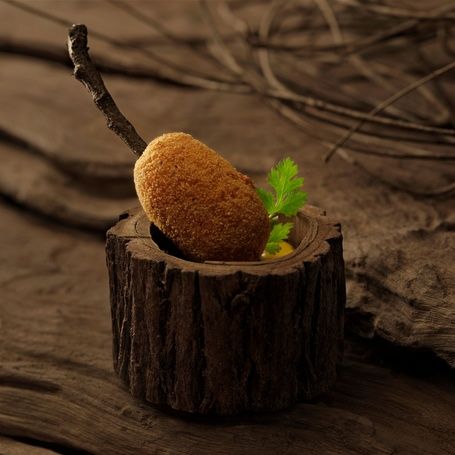
From the Kitchens of Evolve Back – Tumbida Ginnu
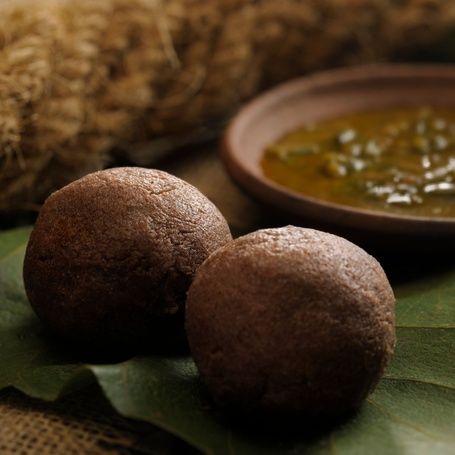
From the Kitchens of Evolve Back – Raagi Mudde Bassaru
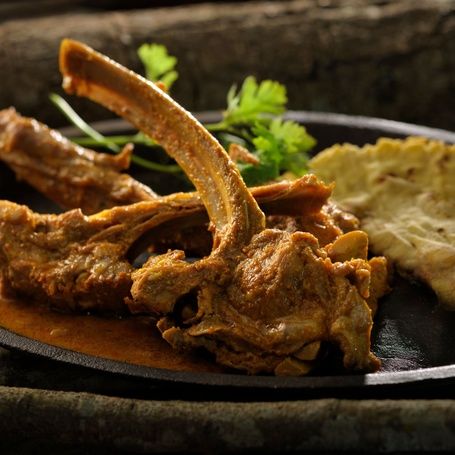
From the Kitchens of Evolve Back – Hurida Meke Mamsa
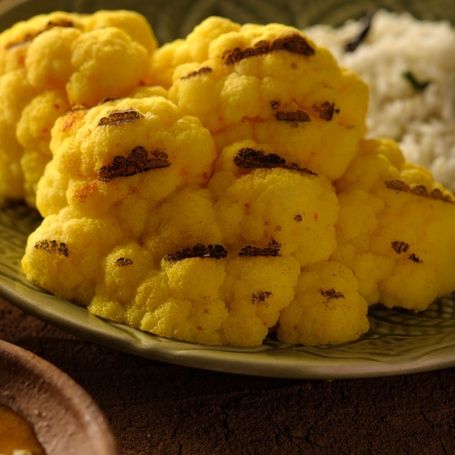
From the Kitchens of Evolve Back – Masala Hoo Kosu
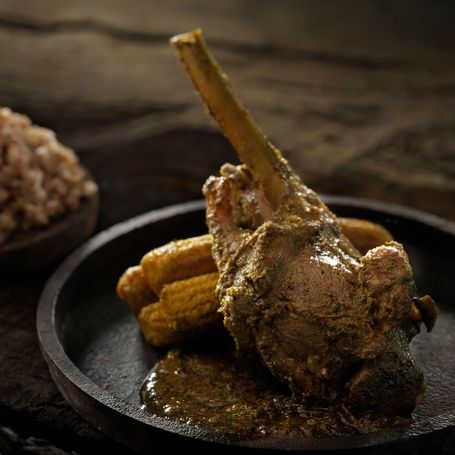
From the Kitchens of Evolve Back – Kuruba Adina Saru
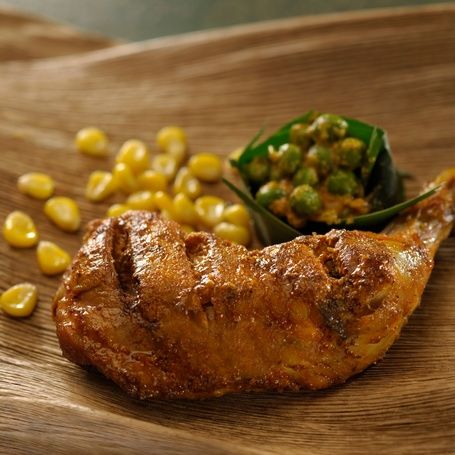
From the Kitchens of Evolve Back – Sutta Naati Koli
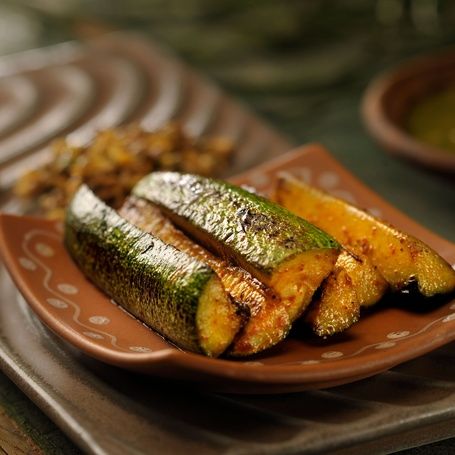
From the Kitchens of Evolve Back – Savatekayi Suttadu
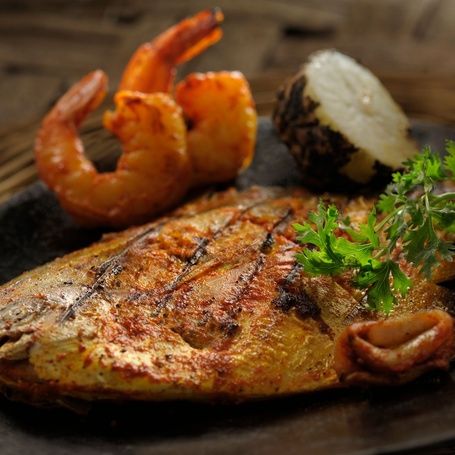
From the Kitchens of Evolve Back – Kendadali urida sigadi mathu meenu
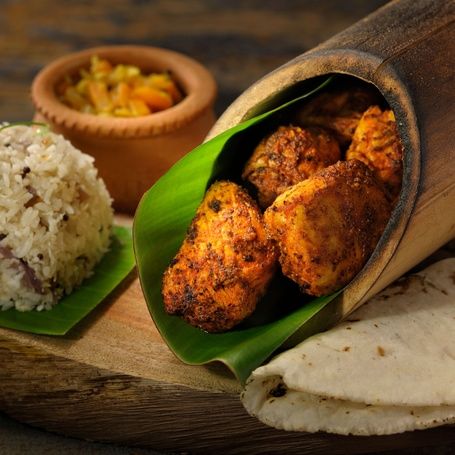
From the Kitchens of Evolve Back – Bidirinalli Beyisida Koli
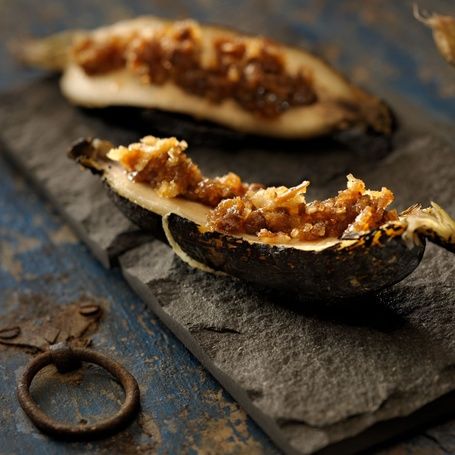
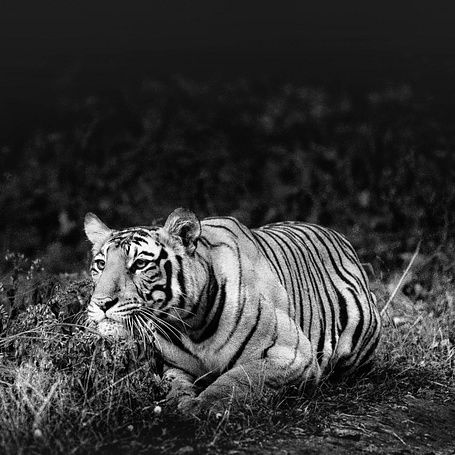
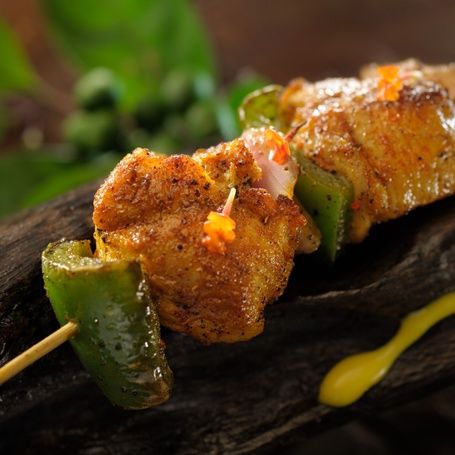
From the Kitchens of Evolve Back – Hurida Koli
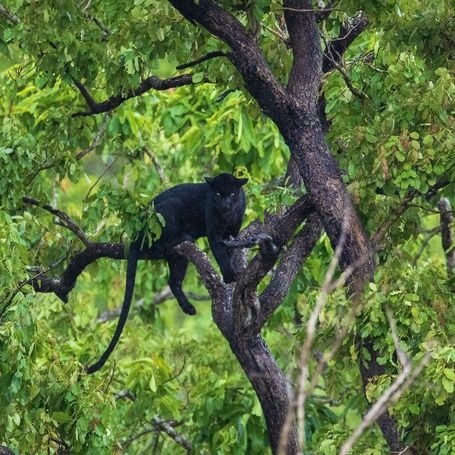
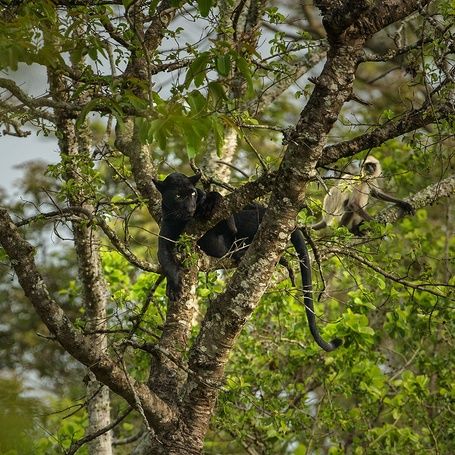
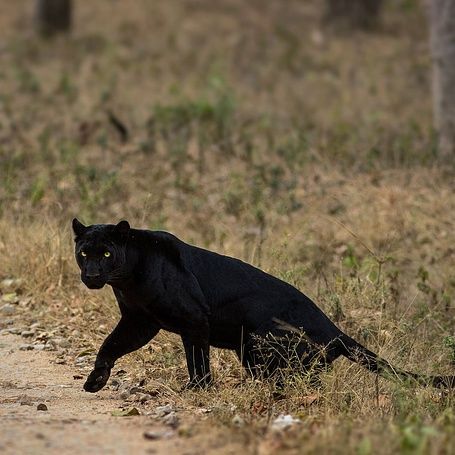
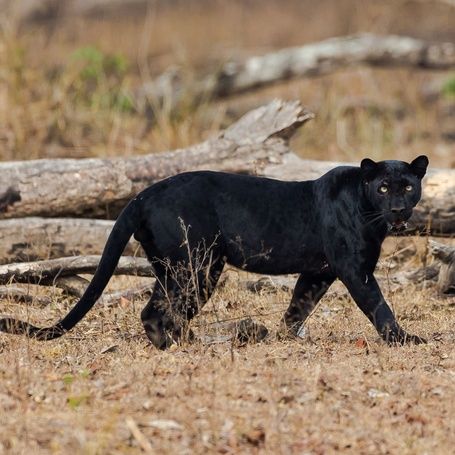
First glimpse of god – the Black Panther of Kabini
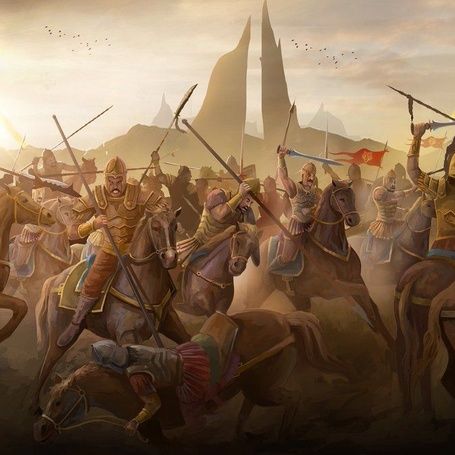
The Battle of Raichur: The Beginning of the End
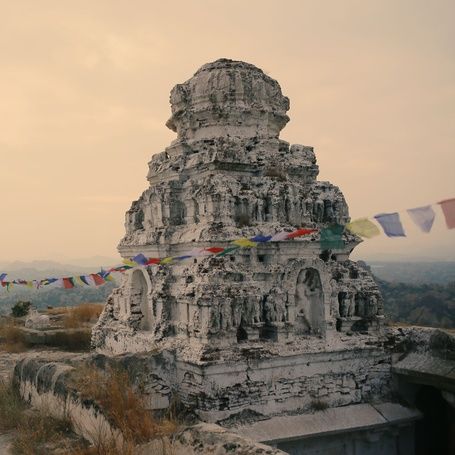
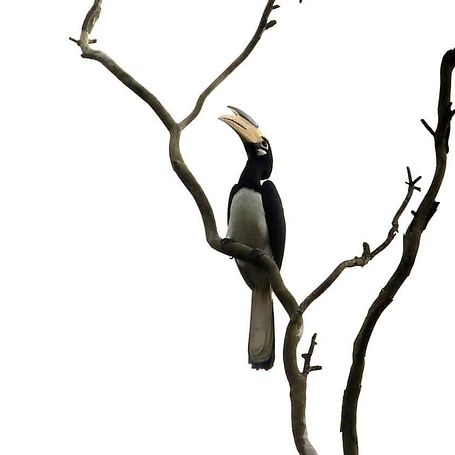
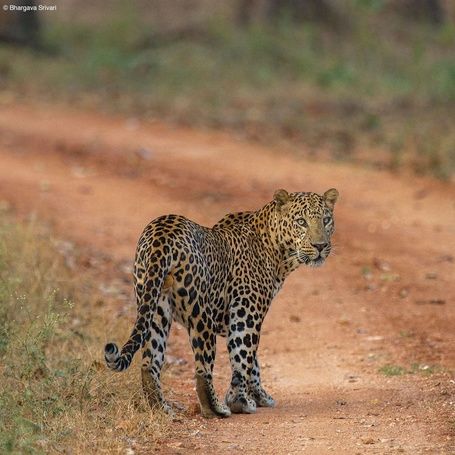
_in_the_wild.)
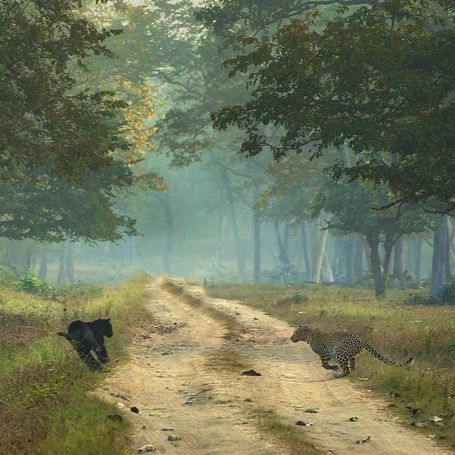
_blooming_with_golden_yellow_flowers.)
_Flowers_in_Bloom)
)
)
)