Ten Mistakes to Avoid on Safari
Published on: 21/03/2025
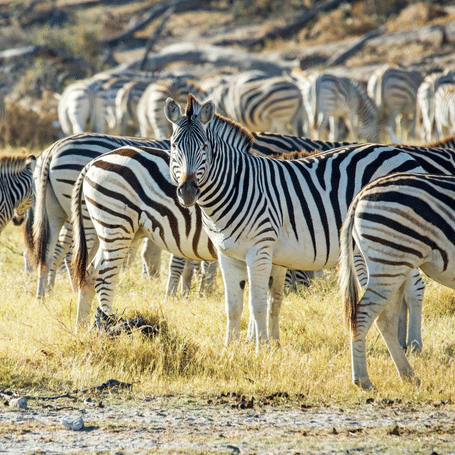
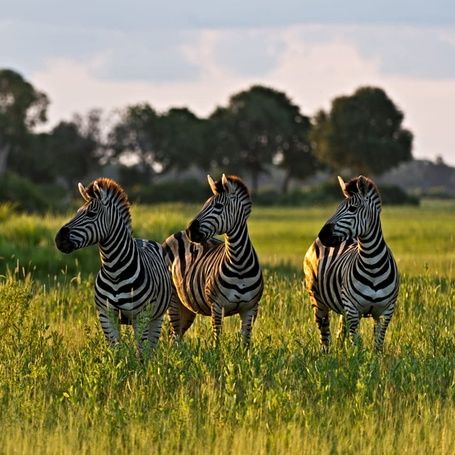
Photo title: Zebra
|Photo Credits: Sarah Kingdom
Heading off on your dream African safari? A safari in Africa is at the top of many people’s travel bucket lists, and for many it’s taken a lifetime of saving to make this dream come true. A safari is unlike any other holiday, and being properly prepared will make all the difference. Here are 10 common safari mistakes and what to do about them:
1. Lack of Research and Preparation
Not all National Parks, game reserves and safari lodges are created equal. If checking off the ‘Big Five’ is your priority then you’ll be looking for a different destination than someone keen on birds. Do your homework first about thing like the quality of game viewing, the qualifications of the guiding team, the standard of accommodation. Compare itineraries from different operators and choose the one that suits you.
As a general rule, you get what you pay for – from the number of other guests in the game drive vehicle, to the quality of the whole experience. You also want to be able to sleep well, eat well and enjoy a nice hot shower, so don’t cut back on costs or you’ll make yourself miserable.
2. Packing the Wrong Stuff / Not Packing Smartly
Of all the mistakes people make when going on safari, packing is the most common one. Judging by the size and number of some of the bags I’ve seen, you’d be forgiven for thinking the owner was moving to Africa for life! Don’t pack more, pack smart!
Avoid bright colours like red and pink, khaki coloured clothing or neutral tones of dark green, brown and beige work best. White stands out more than any other colour in the bush, so isn't suitable for safari activities, and remember blue and black are also best avoided in areas where tetze (biting) flies are common, as they are attracted to those colours.
Don't forget good walking shoes, sun hat, sunscreen, sunglasses, your camera and, of course, a good pair of binoculars. Make sure you pack for the season - it's the southern hemisphere after all, so the middle months of the year are winter - it can be cold in the early morning and at night, so remember layers are key. Also remember that most safaris take place in remote areas, where there are no shops, so stock up on any items you may need, like batteries and medications.
3. Expecting to See Animals at Every Turn
Contrary to popular belief, animals are not everywhere on safari. Keep in mind this is the animal’s home turf and not a zoo - in fact, you’ll probably only see animals roughly a third of the time. That being said, don’t let that deter you, because the other two-thirds of the time will be filled with beautiful landscapes and opportunities to learn more about the wildlife from your guide.
4. Missing out on Activities
Most of your game drives will take place in the (very) early morning and late afternoons, to catch the animals when they are at their most active. If you want to make the most of your game viewing you need to participate - that will mean waking up at, or even before, sunrise. If you don't make the effort to get up and join with scheduled activities, you’ll miss out. (You’ll get time to take a siesta after lunch, during the heat of the day, to make up for your early start).
5. Not Listening to your Guide
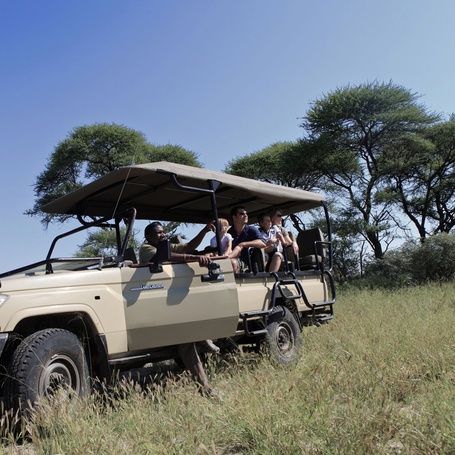
One of the most important rules on safari is to listen to your guide. They are professionals, who’ve not only worked with many tourists, but also understand animal behaviour - their expertise and knowledge make a critical difference to both your safari experience and your safety. Safari guides have extensive training, and their job is to keep clients safe and give them an amazing experience. All the clients need to do is sit back, relax, and follow the directions of their guides. Also listen to you guide when observing the animals, otherwise you’ll miss out on interesting info and facts!
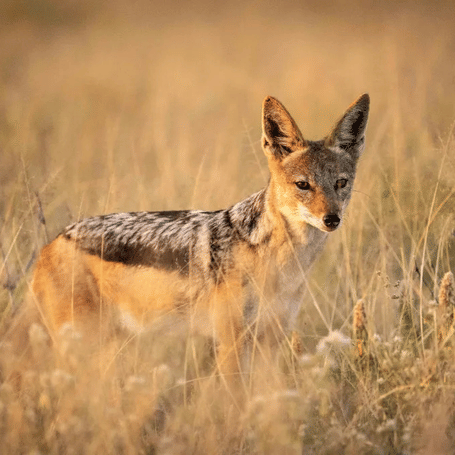
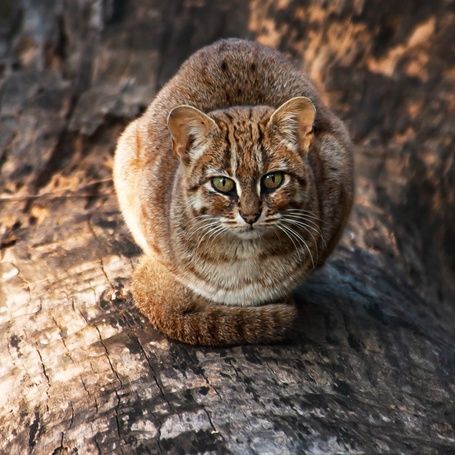
Photo title: Serval
|Photo Credits: Sarah Kingdom
6. Ignoring Game Drive Etiquette
This point is an important one. It just takes one ‘fool’ in a game drive vehicle to spoil the experience for everyone else, and there are certain do’s and don’ts that you should adhere to.
Keep quiet. A game drive is not time for conversations. Too much talk is a major ‘no no’. If you can’t ‘zip it’ chances are the other occupants in your vehicle are going to get very annoyed. You are here to see the animals after all, and if your guide can’t get a word in edgewise you are going to miss out on a lot of sightings and interesting facts.
Don’t wear perfume and don’t smoke (including electronic cigarettes). Strong and unusual smells can make animals nervous, reducing your chances of spotting them. As for smoking, it also likely won’t be appreciated by your guide, tracker or the rest of the passengers in the vehicle- (remember also that cigarette butts are a fire hazard).
Don’t bring any food and don’t feed the animals! Make sure you’ve had enough to eat before going out on a drive, because eating in the car is another big no-no. On most safaris you’ll stop for a drink and snacks, but those places are chosen beforehand, so that neither you or the animals are at risk. The idea is to avoid having animals associate visitors and vehicles with food - while a lion won’t jump into a vehicle for a candy bar, a baboon or a monkey just might! To stop wildlife from associating you and the car with an easy meal, don’t feed the animals!
Don’t call the animals. This might sound pretty obvious, but you’d be surprised how, for many people, logic seems to go out the window when seeing an exotic animal for the first time or when trying to get a good photo. Observe wildlife quietly - calling them or trying to get their attention will only be a disturbance, and they’ll most likely move off somewhere else. In the same vein, never scream, don’t stand up and don’t make fast movements. Safaris can sometimes get intense, but no matter how bad a situation gets, always keep your cool. If an agitated animal charges the vehicle, trust your guide to keep you safe, that’s what they’re trained for.
Don’t touch the animals. No matter how close the animals maybe, never stretch your hand out and touch them. Recently there’s been outrage in Serengeti National Park, Tanzania, when a tourist opened the door and leaned out to touch a young lion, endangering himself, his fellow passengers and almost costing the guide his job.
Don’t leave the vehicle. Leading on from the point above, no matter what happens, never, ever leave the car without your guide telling you to do so, even if you think that there is no risk. There may be animals around the vehicle that you haven’t noticed.
7. Fussing With Your Camera
One of the biggest mistakes on safari is staying behind the camera. While it's thrilling to snap photos of incredible wildlife, it's equally important to experience the trip in real time. Sometimes it's better to watch and experience the moment rather than constantly trying to capture that 'ultimate' safari shot. Don't see your trip only through the camera's viewfinder or your phone's screen. Look up and enjoy!
On the topic of cameras, let me stress NO flash photography! Safaris are about observing animals in their natural environment, and that needs to be done quietly and without attracting their attention or startling them. Many of the animals you will encounter, especially the herbivores, have eyes that are sensitive to bright lights, and a sudden flash may temporarily blind them, making them easy prey.
Remember that as exciting as the idea of being a wildlife photographer is, a safari probably isn't the best place to try out brand-new equipment, make sure you're familiar and comfortable with your device before the trip. Bring extra film or memory cards along for your camera, and find out what facilities are available in camp - you may not be able to charge up batteries.
Let’s Ask An Expert - It’s not always necessary to have the latest and greatest camera for your safari. Mogomotisi Maboga, naturalist, writer and photographer with Evolve Back, says “I hear people say that they want a great camera with a long tele-focus lens for going on safari. While it’s great to have such a camera, nowadays most people have good smartphones and like to travel light. It is totally possible to take good images and videos with your smartphone. “
Smartphones on safari are good for taking wide-angle pictures, excellent for macro-shots, and great for difficult lighting conditions like sunsets, sunrises and interesting cloud formations. If you’re worried about getting good close-ups, then clip-on tele-focus lenses are available at very little cost. Another tip for close-ups is to use binoculars – make sure there’s only a small distance between the camera lens and the binocular’s eyepiece, and then focus first on the subject with the binoculars, before using your smartphone’s camera.
8. Expecting the Comforts of Home
Safari lodges and camps can be luxurious and stunning in terms of design and quality, but it's important to remember that you're likely in a remote area, without the best infrastructure. Be open to the unique charms of the lodge, but remember you may need to wait for solar power to heat the water for your shower, and you may need to leave some of your normal ‘essentials’, like a hair dryer, at home, as lodges often run entirely on solar power. Also bear in mind Wi-Fi and connectivity can often be patchy, limited or even non-existent - so use this as an opportunity to really disconnect.
9. Choose a Realistic Itinerary.
I know you want to explore as many destinations as possible, but would you rather spend your precious time on the road travelling from park to park, or using that time to watch wildlife? Trying to fit in too much is a common mistake. Avoid trying to see it all in a week, you’ll exhaust yourself, and end up feeling rushed rather than relaxed. You can't see all of Africa, or even all of one country, in one visit. Speak to an expert to get the best advice on what works and what doesn't.
10. Lastly, and most of all, remember Safari Njema, which is Swahili for Have a Good Journey!
Sarah Kingdom
Travel writer, mountain guide, yoga teacher, trail runner and mother, Sarah Kingdom was born and brought up in Sydney, Australia. Coming to Africa at 21 she fell in love with the continent and stayed. Sarah guides on Kilimanjaro several times a year, and has lost count of how many times she has stood on the roof of Africa. She has climbed and guided around the world and now spends most of her time visiting remote places in Africa. When she is not traveling she runs a cattle ranch in Zambia with her husband.
The Tiger of the Skies: An encounter with the Peregrine Falcon

Butterfly Safari in the Western Ghats: a possibility? - Part 2
A Photographer’s Guide to the Central Kalahari Game Reserve - Light, dust, dramatic skies and the art of capturing desert wildlife
Butterfly Safari in the Western Ghats: a possibility?
Desert Bones and Dust Trails: Reading the Kalahari’s Ancient Ground
Life in the Sands: The Surprising Riches of the Kalahari
Peek into Coorg’s Culture at Madikeri’s Government Museum

The Kalahari in Miniature: What You Miss When You Only Look for Big Game
Anegundi’s quiet empire of women: the banana-fibre story
Little Feet, Ancient Rhythms: Young Keepers of the Kodava Culture
Water, Wildlife, and the Art of Waiting in the Kalahari
Tracking Wildlife: What the Sand Tells You in the Kalahari
Singing of confluences, tangible and intangible
Strange Encounters: What We See and What We Miss
Water, Stone, and Empire: Reading Vijayanagara in the Evolve Back Kamalapura Palace
The Unusual Suspects: Creatures You Didn’t Expect in the Kalahari
The Ultimate Family Safari: Multigenerational Travel in Africa Creates Unforgettable Bonds
Locking Horns: An Afternoon with the Other King
The Arboreal By-lanes of Coorg: A Street Photographer's Foray into Bird Photography
Lone Warrior: An Encounter with the Grey-headed Fish Eagle

Under the Kalahari Sky: A Journey Through Africa’s Night Sky
Reptilian Sibilances, Mollusc Stillnesses, Fern Rustlings
Sri Purandara Mantapa: A hall that echoes the raagas of devotion
Cultural Extravaganza: Kodava Music & Dance Forms
The Kalahari Skies: An Everchanging Canvas of Colour
The San People of the Central Kalahari Game Reserve: Guardians of an Ancient Culture
Anegundi: ‘Monkey Business’ in the ‘Elephant Pit’
African Wild Dogs - one of Africa's most captivating carnivores and most endangered species
Discovering the Brown Hyenas of the Central Kalahari Game Reserve
An Aural Journey through Nagarahole: The Sound of Life

Five Wildlife Sightings You Can Expect Without Going on Safari
Into the Valley of Deception: The Central Kalahari Game Reserve
The Cup That Cheers: The Changing Taste of Coffee
Craft Calling: Traditional Lambani Arts and Crafts and the Sandur Kushala Kala Kendra
An Aural Journey through Nagarahole: The Language of Deception
An Aural Journey through Nagarahole: The Sound of Tardiness
Taking Terrific Photos on Safari: Getting the Trophy Shot
Adapt and Survive: Reaching the Pinnacle of Specialisation
Into the night – nocturnal life in the Kalahari
An Aural Journey through Nagarahole: The Seen and the Sawing
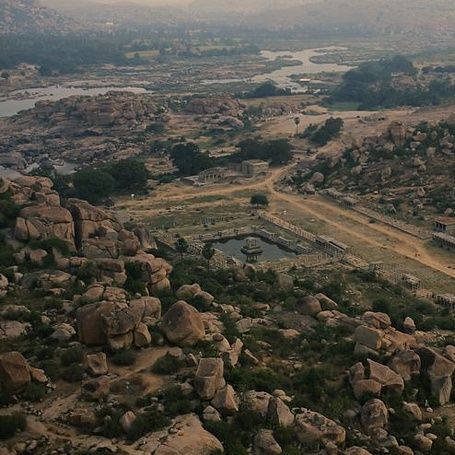
Hampi Ruins in the 1900s: Stellar Photographs From A Forgotten Historical Text
Touring Kabini with Your Eyes Closed: An Aural Journey through Nagarahole: Alarms True and False
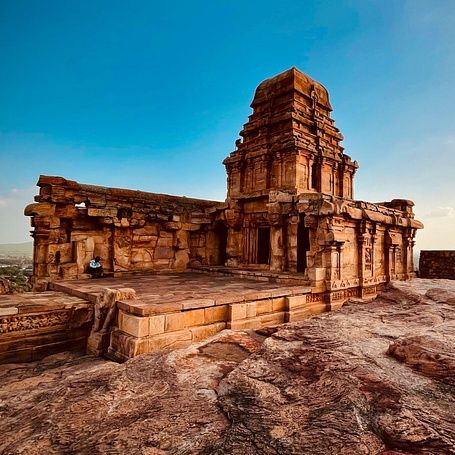
North Karnataka’s Threesome — Badami, Aihole, & Pattadakallu

Hampi Ruins in the 1900s — The Gateways into the City
A Lone Porcupine fights off an entire pride of Lions!
The cute little denizens of the Kamalapura Palace, Hampi
From the Kitchens of Evolve Back – Jallad Roti | Akki Roti

From the Kitchens of Evolve Back – Qubani ka Meetha and Shahjahani ka Meetha
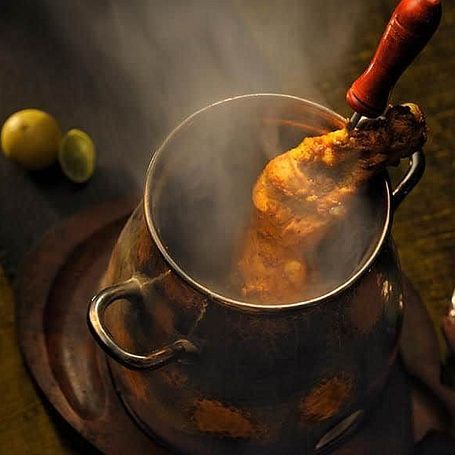
From the Kitchens of Evolve Back – Murgh-e-Lazeez
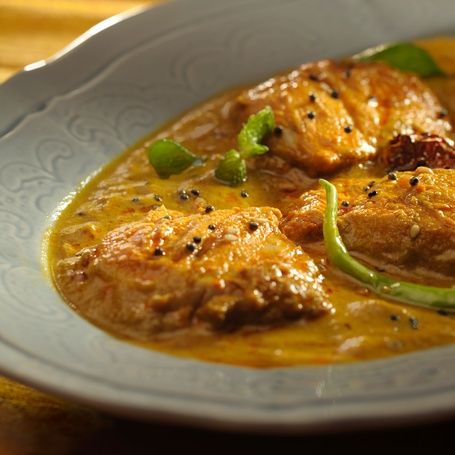
From the Kitchens of Evolve Back – Nizami Machali ka Salan
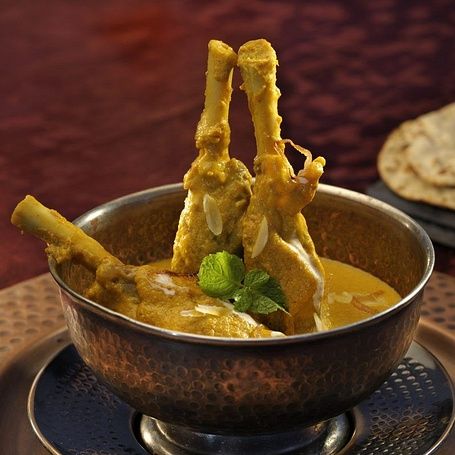
From the Kitchens of Evolve Back – Dum ki Nalli
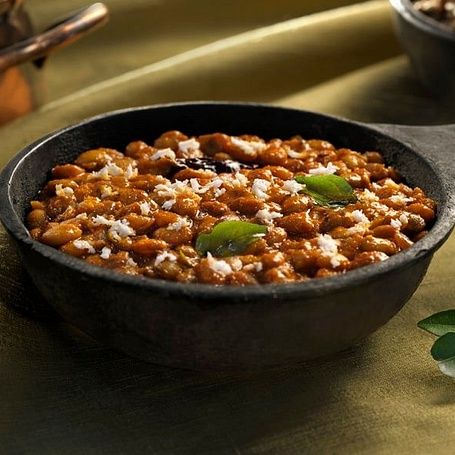
From the Kitchens of Evolve Back – Anapa Ginjala Pulusu
An Aural Journey through Kabini: Pre-Dawn Critters and Jitters
From the Kitchens of Evolve Back – Raan-e-Kamalapura
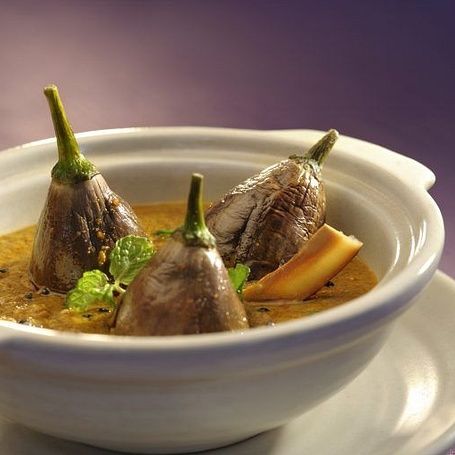
From the Kitchens of Evolve Back – Baghara Baingan

From the Kitchens of Evolve Back – Natukodi Pulusu
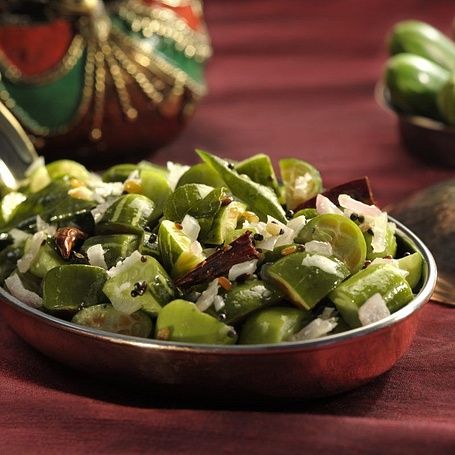
From the Kitchens of Evolve Back – Tondekai Palya

From the Kitchens of Evolve Back – Royala Igaru
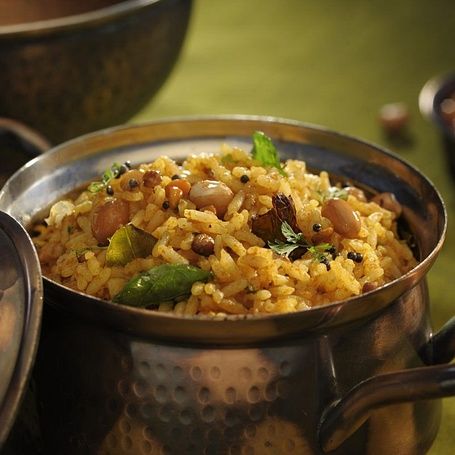
From the Kitchens of Evolve Back – Koli Chuttada
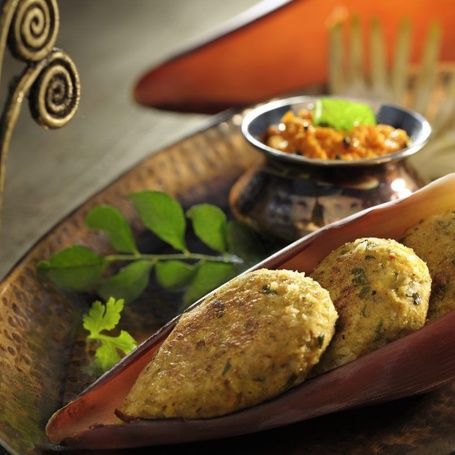
From the Kitchens of Evolve Back – Karibelle Cutlet
The Battle of Talikota and the Sacking of Hampi
From the Kitchens of Evolve Back – Kori Ghee Roast
Ten Interesting Facts About the Kalahari Desert
From the Kitchens of Evolve Back – Vazhachundum Thoran

From the Kitchens of Evolve Back – Mezze Platter
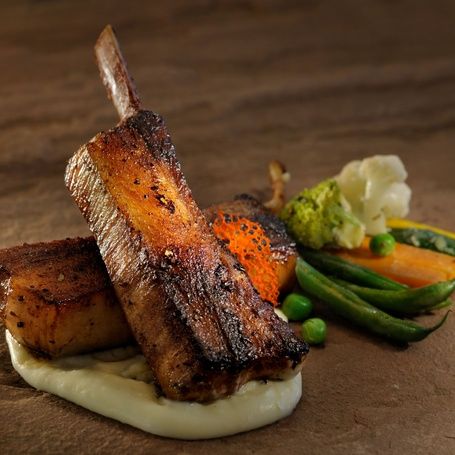
From the Kitchens of Evolve Back – Grilled Pork Ribs
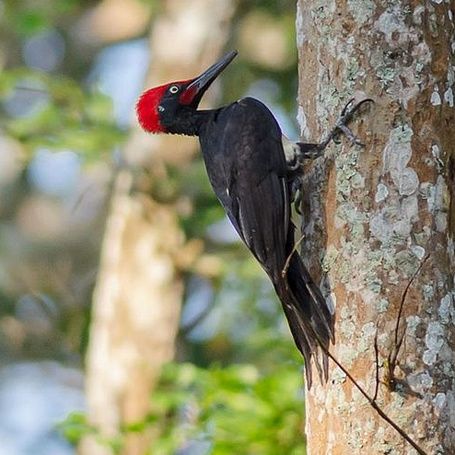
An Aural Journey through Kabini: The Beginnings
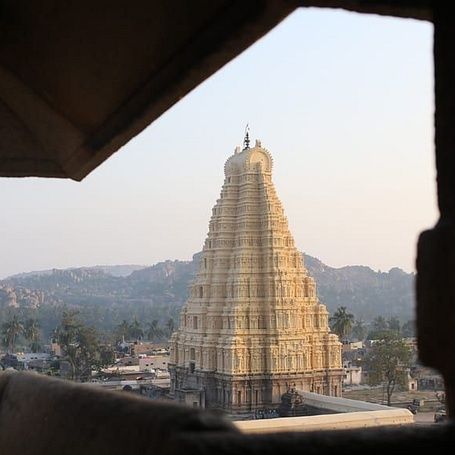
Harihara & Bukka: founders of the Vijayanagara Empire

From the Kitchens of Evolve Back – Pazham Puzhungiyathu

From the Kitchens of Evolve Back – Peppercorn chocolate mousse
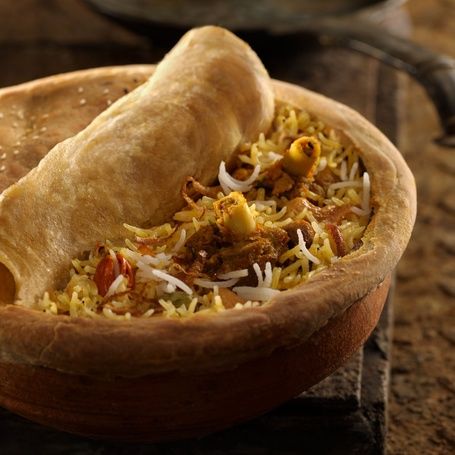
From the Kitchens of Evolve Back – Kabsah Laham Bis
From the Kitchens of Evolve Back – Vazhakanda Thoran
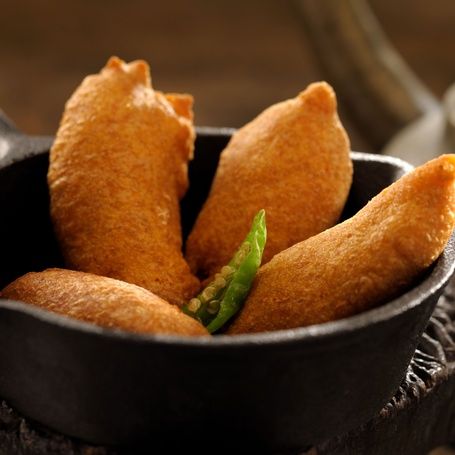
From the Kitchens of Evolve Back – Banana Bajji
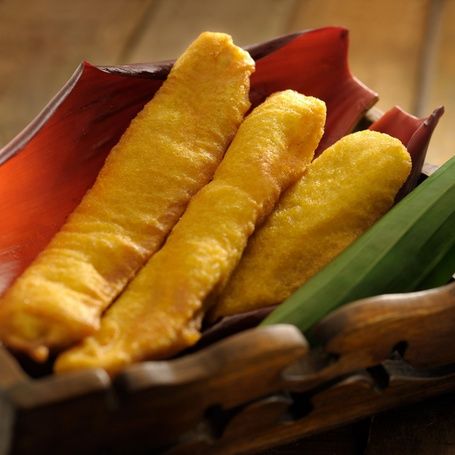
From the Kitchens of Evolve Back – Pazham pori
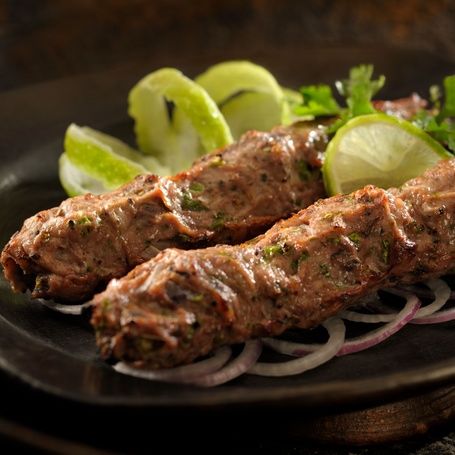
From the Kitchens of Evolve Back – Joojeh – e – Koobideh
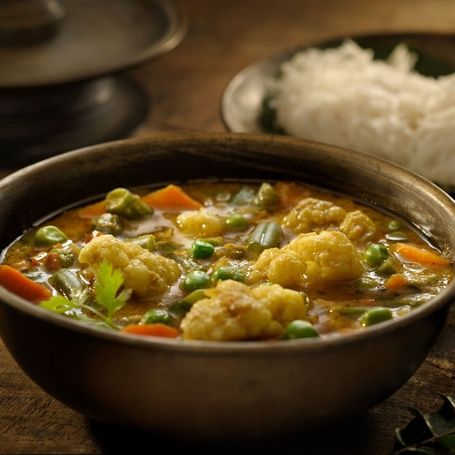
From the Kitchens of Evolve Back – Vegetable Kurma
From the Kitchens of Evolve Back – Pandi Curry
From the Kitchens of Evolve Back – Kerala Fish Curry
Nalknad Palace – off the beaten track in Coorg
Designing the Sidapur Coffee and Culture Museum
Why you should put a backwater boat safari at the forefront of your Kabini visit – 2
Why you should put a backwater boat safari at the forefront of your Kabini visit – 1
Chikka Veerarajendra of Coorg and his Thirteen Wives
The Architecture of Ainmanes: Form follows Function
Kodava Ainmanes – the heart of the Kodava Clan
From the Kitchens of Evolve Back – Sutta Sigadi Mathu Hannugalu
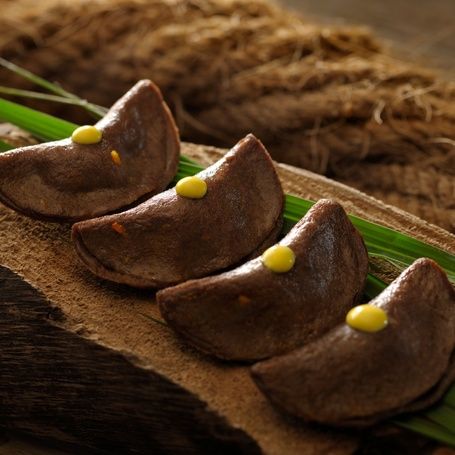
From the Kitchens of Evolve Back – Masala Raagi Cheela
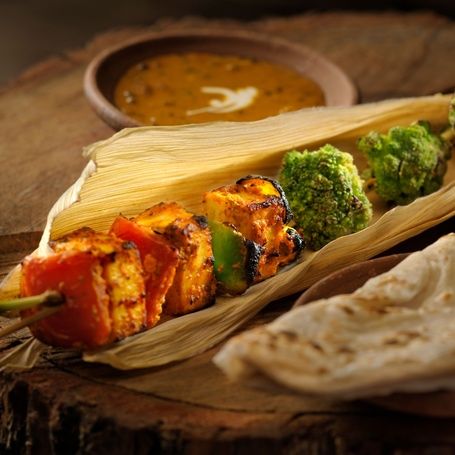
From the Kitchens of Evolve Back – Tandoori Zaffrani Paneer & Tandoori Phool
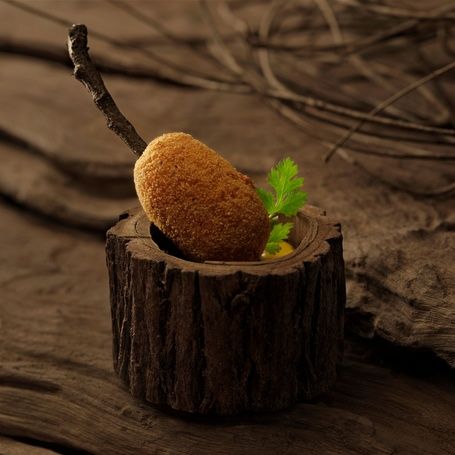
From the Kitchens of Evolve Back – Tumbida Ginnu
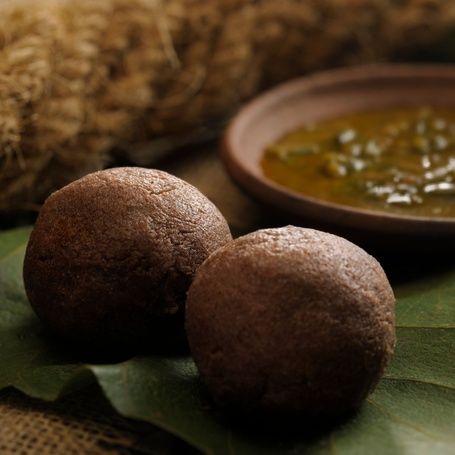
From the Kitchens of Evolve Back – Raagi Mudde Bassaru
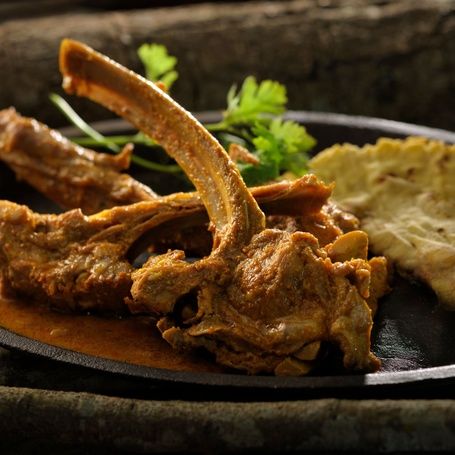
From the Kitchens of Evolve Back – Hurida Meke Mamsa
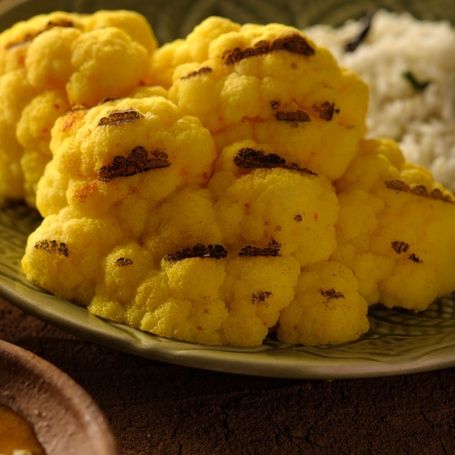
From the Kitchens of Evolve Back – Masala Hoo Kosu
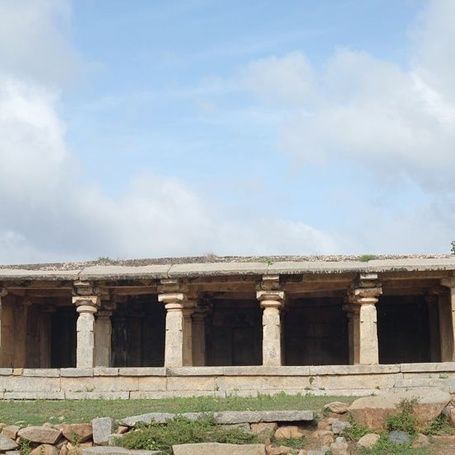
From the Kitchens of Evolve Back – Kuruba Adina Saru
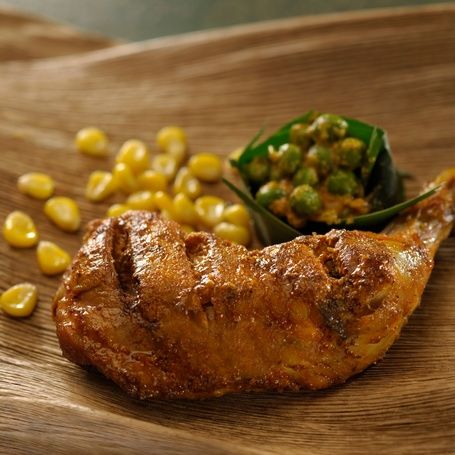
From the Kitchens of Evolve Back – Sutta Naati Koli
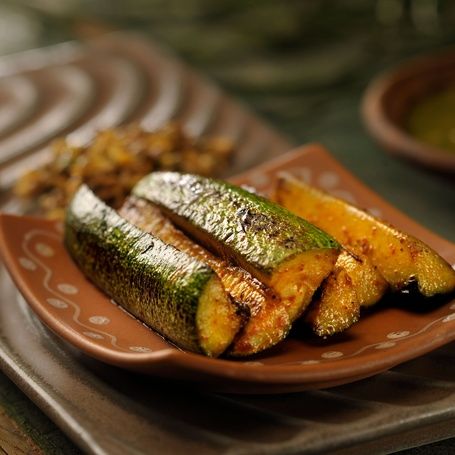
From the Kitchens of Evolve Back – Savatekayi Suttadu
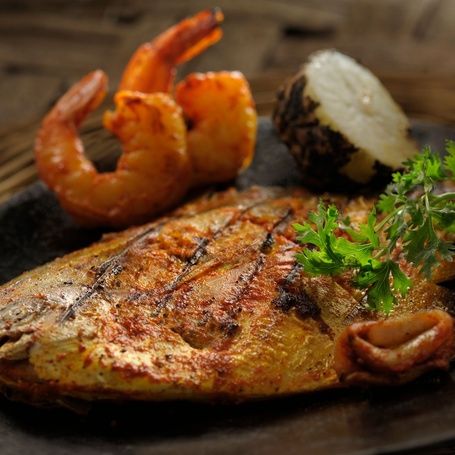
From the Kitchens of Evolve Back – Kendadali urida sigadi mathu meenu
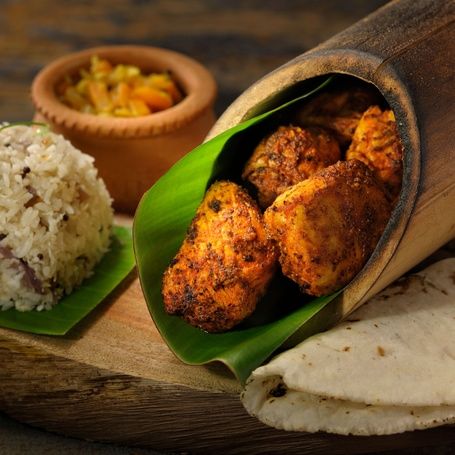
From the Kitchens of Evolve Back – Bidirinalli Beyisida Koli
From the Kitchens of Evolve Back – Hurida Koli
First glimpse of god – the Black Panther of Kabini
The Battle of Raichur: The Beginning of the End