Water, Stone, and Empire: Reading Vijayanagara in the Evolve Back Kamalapura Palace
Published on: 18/09/2025
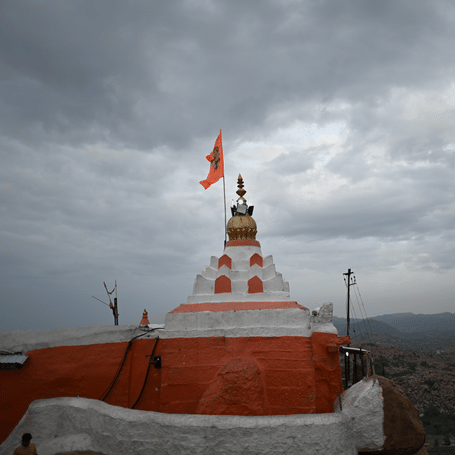
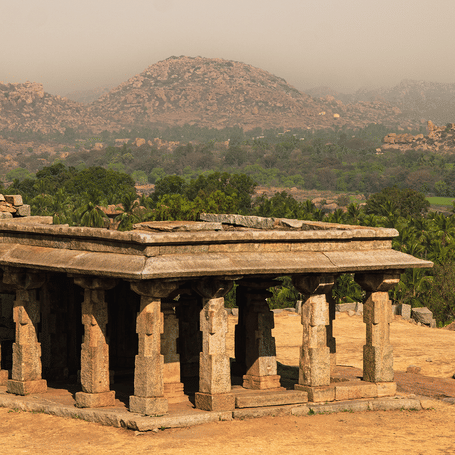
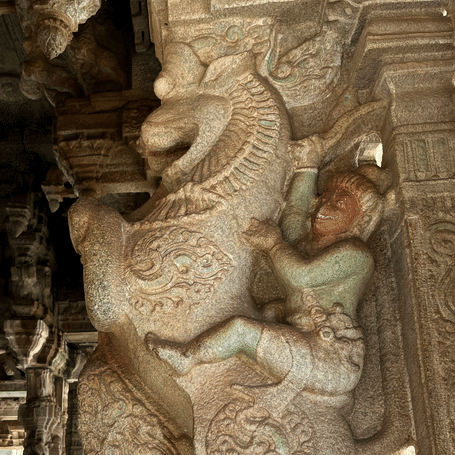
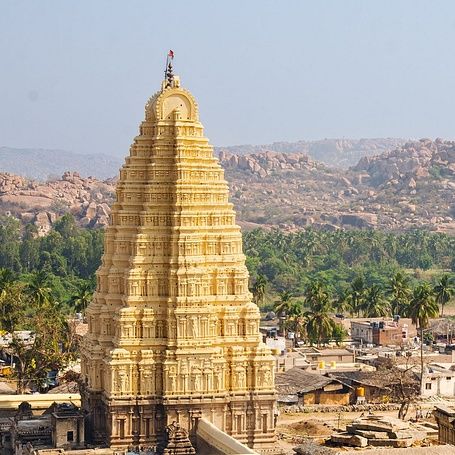
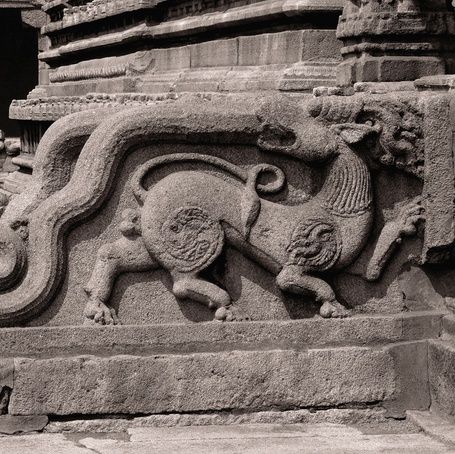
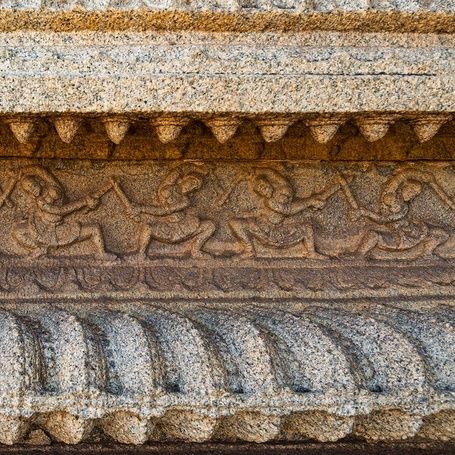
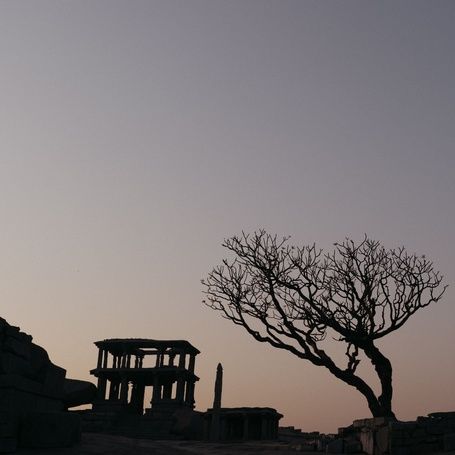
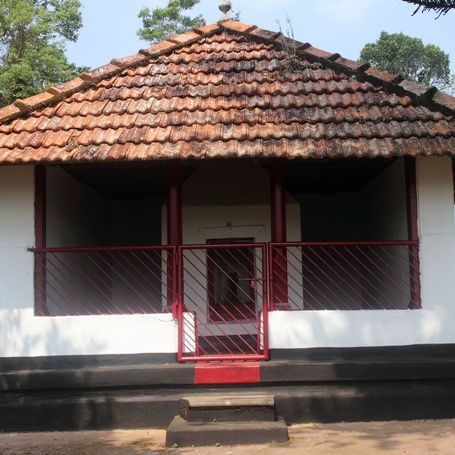
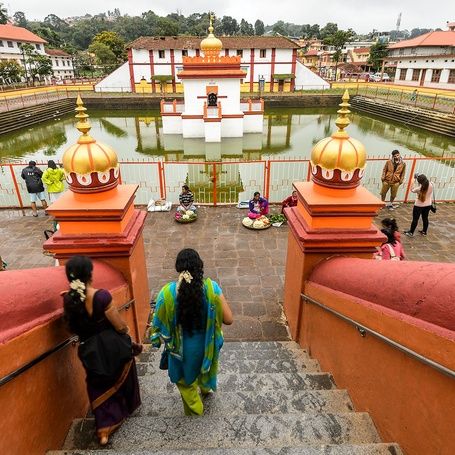
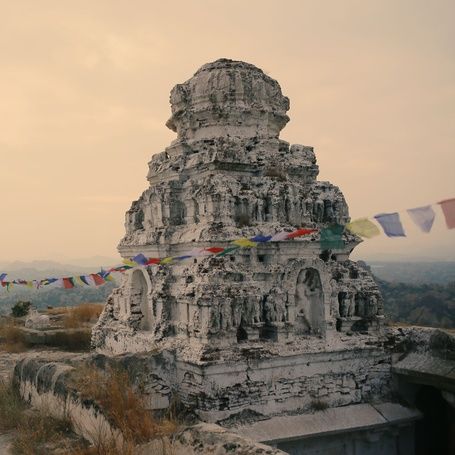
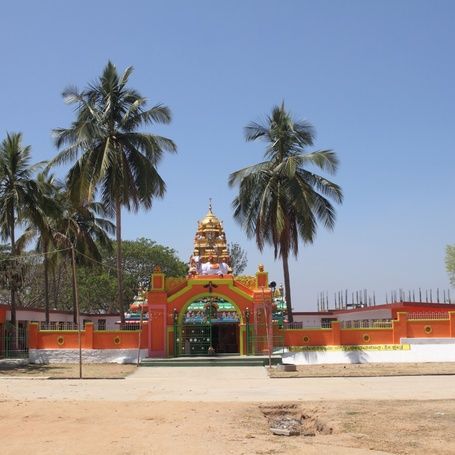
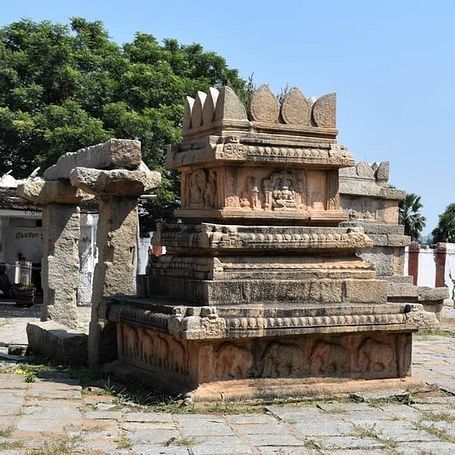
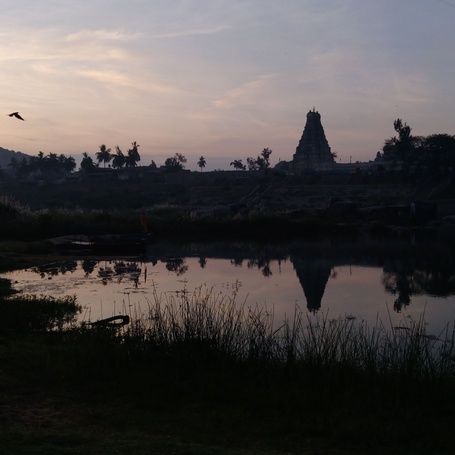
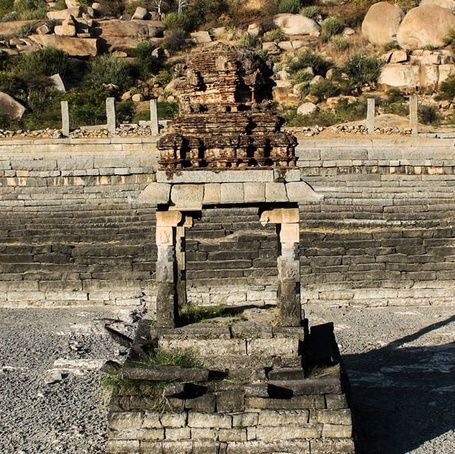
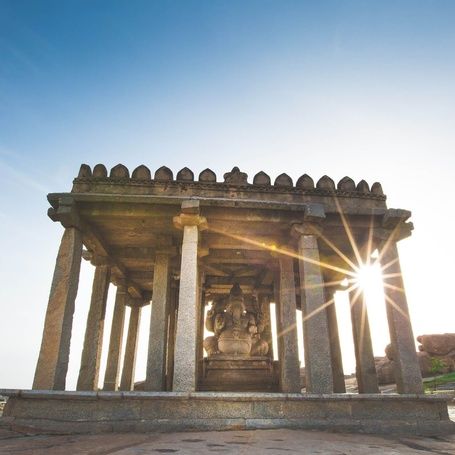
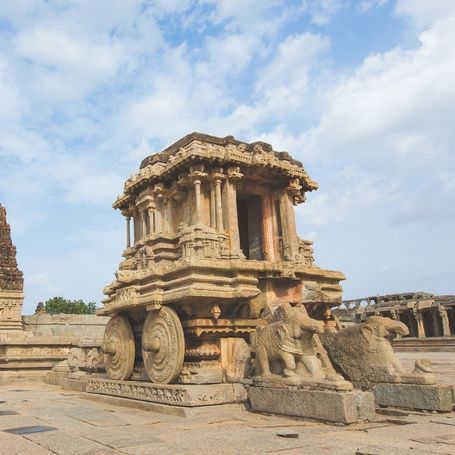
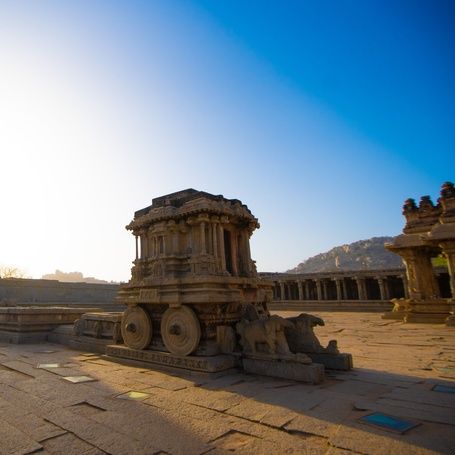
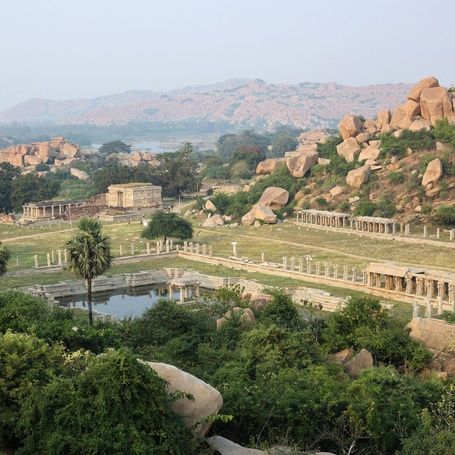
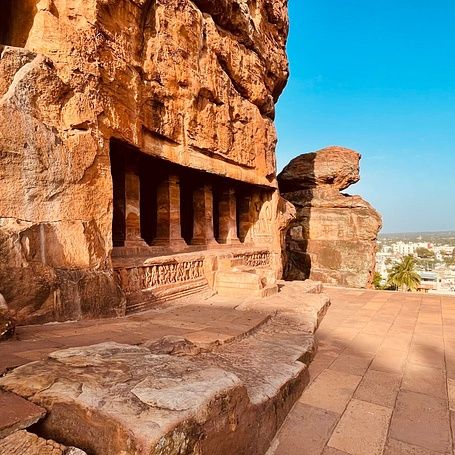
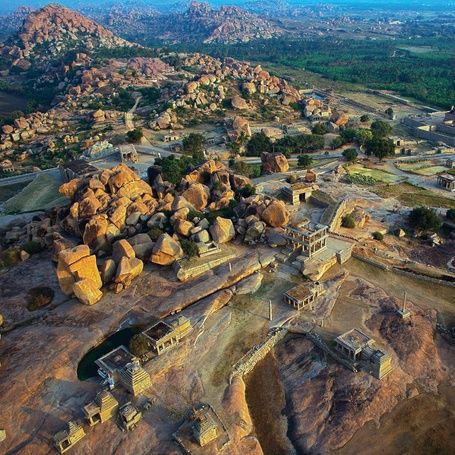
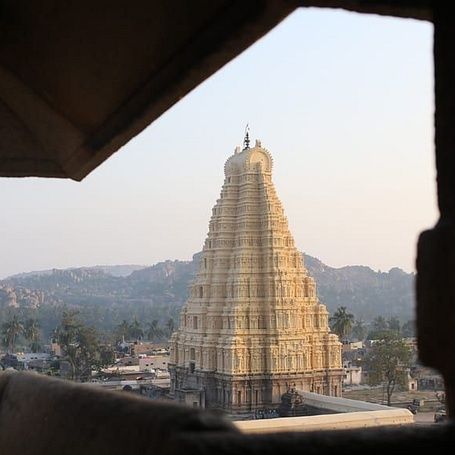
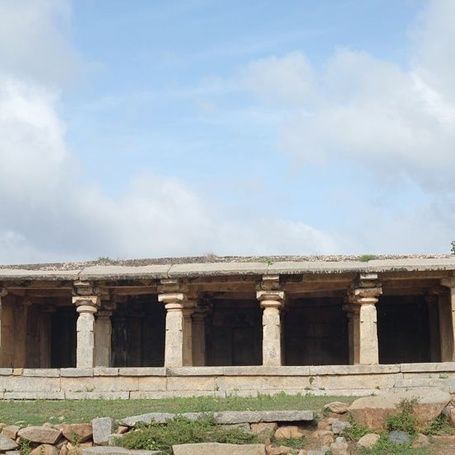
Photo title: Vijaya Vitthala temple
|Photo Credits: Vikram Nanjappa
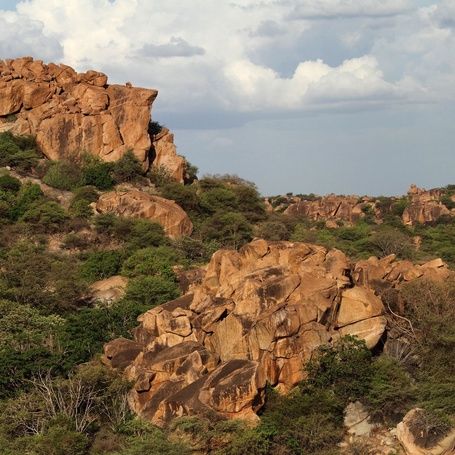
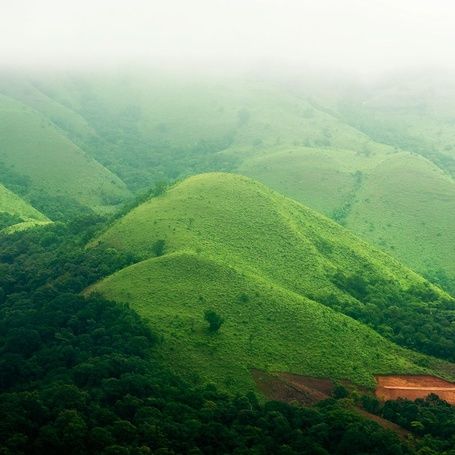
Step out from the cool embrace of your villa, and the heat is the first thing that strikes you — the same sharp, dry warmth, with its distant hint of spice, that the rulers of Vijayanagara felt five hundred years ago. Around you, the undulating granite hills, the glittering ribbon of the Tungabhadra, and the precise lines of ancient canals tell a story: of how an empire mastered nature, sought to dominate and unify much of southern India—and, in doing so, created one of the most spectacular cities in the world.
Evolve Back sits within this story. The Hampi you explore today — World Heritage Site, romantic ruin, archaeologist’s dream — was once a living metropolis of perhaps half a million souls. In its heyday it awed Portuguese mercenaries, Gulf merchants, and Iranian envoys. Hampi’s monuments are the ruins of Vijayanagara’s beating heart.
A Capital for a Fractured Deccan
In the 1330s, the Tungabhadra valley lay between two worlds: the Delhi Sultanate pressing from the north, and the brittle patchwork of post Kakatiya and post Hoysala powers to the south. The founders of Vijayanagara chose a defensible granite basin, ringed by boulder hills and anchored by shrine of Virupaksha, a form of Shiva believed to have married the much more ancient goddess Pampa. The chaos of the 14th century also brought with it opportunities: political vacuums, peoples and technologies on the move.
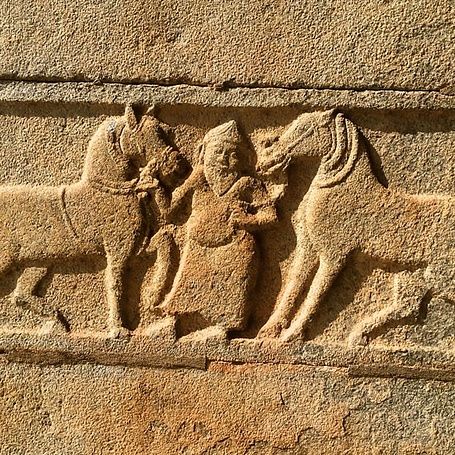
Vijayanagara’s armies included Telugu military clans displaced by the Kakatiya collapse, Kannada chiefs from the Western Ghats, and Central Asian horse-archers. Its revenues came from the rolling plains of the Kaveri delta and the bustling ports of the Konkan. And its royal authority was exerted by concentrating resources on hitherto-minor temples such as that of Venkateshvara at Tirumala-Tirupati, which has since become one of the world’s wealthiest religious institutions.
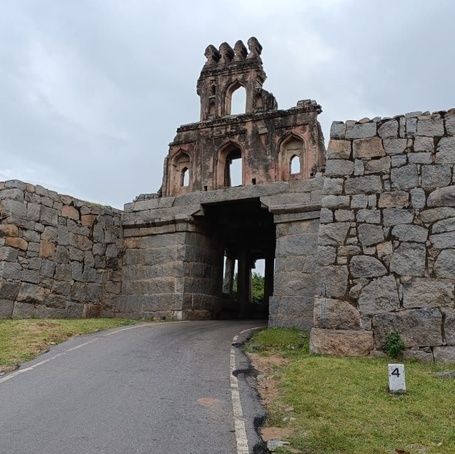
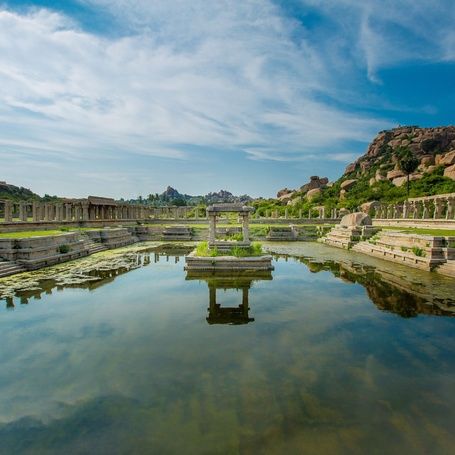
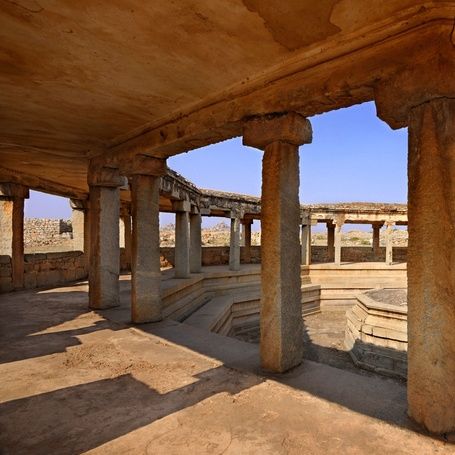
Such a diverse coalition had to be maintained by constant redistribution and the generation of new sources of revenue. Newly conquered Tamil districts came to be ruled by Telugu Nayakas or leaders, who were initially resented by their new subjects before setting up their own thriving mini-kingdoms by the 17th century. Major military campaigns against the Deccan Sultanates financed structures such as the Vitthala temple and the Queen’s Bath, which in reality was an entertainment pavilion for the king and his men. And, through royal investments in irrigation, the Vijayanagara metropolitan region saw unprecedented agrarian expansion. The great reservoir at Kamalapura is a Vijayanagara construction, you can even spot the town’s medieval gateway as you drive through it today. Some Vijayanagara-period canals were also integrated into the modern damns on the Tungabhadra.
Architecture as Historical Argument
To rule such a diverse territory, the kings of Vijayanagara had to be many things to many peoples. The inscriptional record from Andhra to Tamil Nadu shows how deliberately the state embedded itself in local sacred landscapes, presenting themselves as the devout successors of earlier kings by making gifts to prominent shrines.
But for those trained to see it, Vijayanagara also made extraordinary innovations. Take, for example, the Hemakuta hill on the banks of the Tungabhadra. Its earliest temples predate Vijayanagara; they are elegant little funerary shrines with ‘layer-cake’ spires, as the architectural historian George Michell describes them. In contrast, the temple of Virupaksha and Pampa—considered the tutelary deities of the city’s founders—is a vast complex studded with towering gopuram gateways. Vijayanagara engineers adapted these iconic structures from the architecture of present-day Tamil Nadu, rather than from local Karnataka temples. The Achyutaraya and Vitthala shrines also have gopurams well worth your attention. They are not just religious structures: once they were living expressions of the city’s cosmopolitanism.
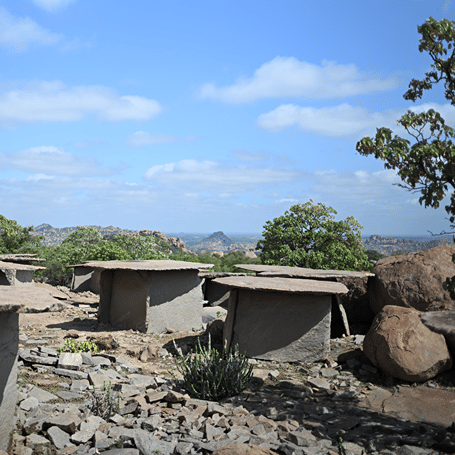
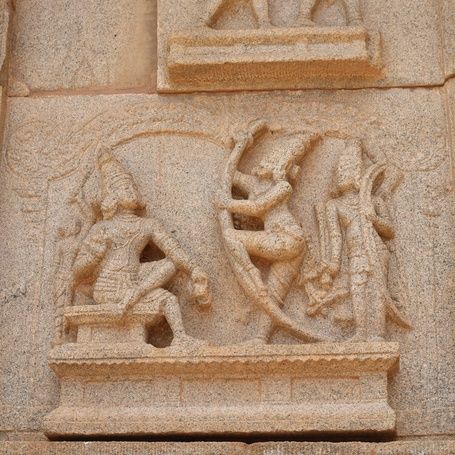
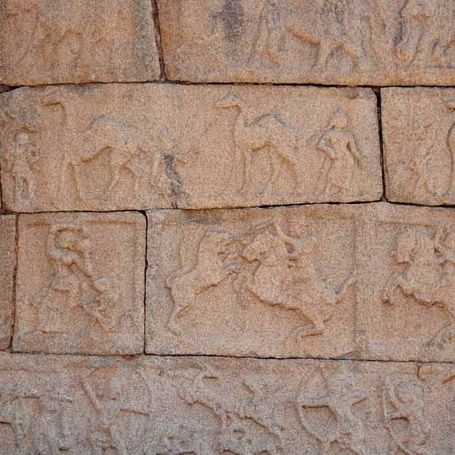
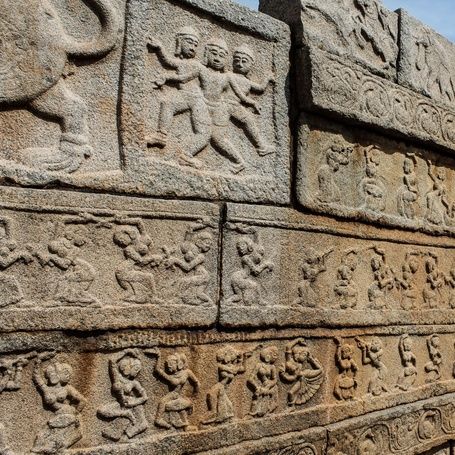
Vijayanagara kings also associated themselves with the Hindu god-king Rama. Local traditions linked this land with Kishkinda, legendary kingdom of the monkey-like Vanaras, Rama’s allies. This may have derived from cultural memories of the Iron Age necropolis at Hire Benekal, a few hours’ drive from Evolve Back. The Hazara Rama shrine, at Vijayanagara’s Royal Centre, made this association more concrete by directly linking the king’s right to rule with his devotion to Rama. While the linkage between royalty and divinity was not new in South India, the temple’s compound wall was also covered in friezes depicting the city’s annual Mahanavami procession—a public celebration of the king’s martial prowess. There was no historical precedent for such sculptures: they are a Vijayanagara-period PR experiment, displaying the city’s remarkable ability to blend apparent continuity with brilliant innovation.
Gods and Architects in Motion
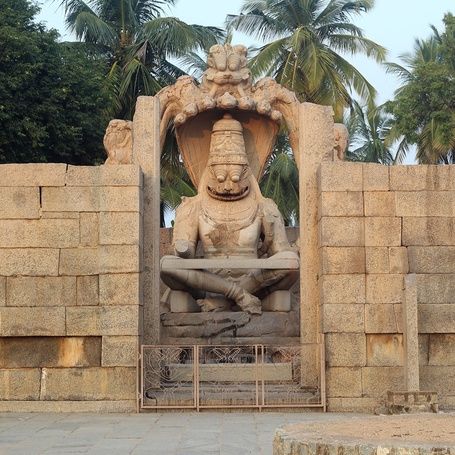
Hampi’s monuments are studded with deities who came from elsewhere to be integrated into the imperial fabric. Take, for example, the great statue of Narasimha in the Sacred Centre. Narasimha, the man-lion, was popular with the Chenchu hill-peoples of the Eastern Ghats, with whom Vijayanagara had a turbulent relationship.
Krishna Deva Raya, the famous 16th century emperor, complained about them in his epic Amukta-Malyada: “Trying to clean up the forest folk is like trying to wash a mud wall. There’s no end to it. No point in getting angry. Make promises that you can keep and win them over. They’ll be useful for invasions, or plundering an enemy land. It’s irrational for a ruler to punish a thousand when a hundred are at fault.” Narasimha proved a powerful way to integrate these troublesome subjects. Vijayanagara kings promoted a legend about Narasimha’s marriage to a beautiful Chenchu goddess, to the point where some Chenchus even today consider Narasimha a son-in-law. The god’s worship in the capital, then, assured the Chenchus that they had interests in common with this distant city.
As with Narasimha, so with Venkateshvara. His great shrine at Tirumala-Tirupati straddled the Telugu and Tamil-speaking regions. As pointed out earlier, in Vijayanagara’s turbulent early decades, Telugu-speaking warriors called Nayakas had been appointed to rule over Tamil-speaking cultivators and merchants. What better way to integrate these groups than through a shared devotion? From 1510–1570, Vijayanagara’s aristocracy lavished the god Venkateshvara with 8,05,653 gold coins, hundreds of acres of land, and herds of cows and bulls.
One sign of the empire’s successful integration of diverse peoples lies in the aforementioned Krishna Deva Raya, perhaps the most important patron of Tirumala-Tirupati. He was a man of Tulu descent from India’s West Coast, who wrote extensively in classical Telugu, ruled a city in the Kannada-speaking region, and made gifts to a temple between the Tamil and Telugu regions. It was perhaps because of the god’s importance to Vijayanagara’s ruling coalition that the spectacular temple of Tiruvengalanatha—better known today as the Achyutaraya shrine—was built in the capital later in the 16th century.
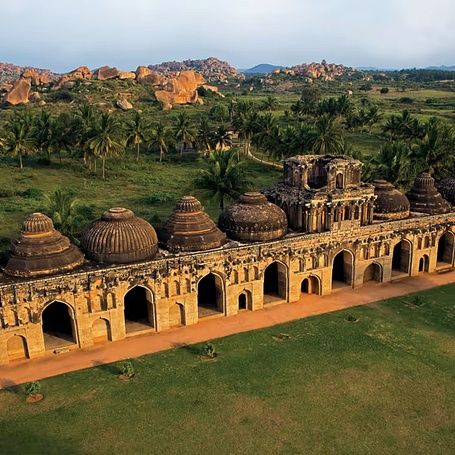
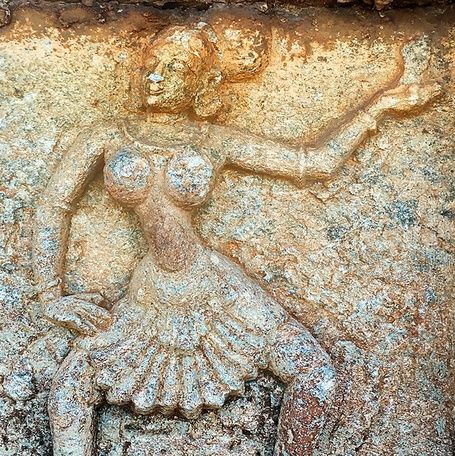
The importance of Hindu deities and mythology at Vijayanagara has often led to it being described as the “last Hindu empire”, but it was rather more complicated than that. As we can see, religion and politics went hand-in-hand at Vijayanagara. Yet archaeological excavations have found multiple mosques within the city’s precincts, and many Muslim cavalry officers served its kings. Muslim dancers and entertainers are also depicted on the Mahanavami Dibba in the Royal Centre. But perhaps the clearest indications of Vijayanagara’s Muslim populations comes from its architecture, specifically the Lotus Mahal and the Elephant Stables, which feature multi-cusped arches, stucco decorations, and domes that have clear parallels in the Deccan Sultanates. Historian Dominic J. Davison-Jenkins has also pointed out that the hydraulic techniques of the Queen’s Bath resemble those of the Bijapur Sultanate’s palaces. Vijayanagara’s world, like ours, was full of peoples and talents in motion.
Photo title: Lotus Mahal
|Photo Credits: Vikram Nanjappa
The Fall of a Medieval Metropolis
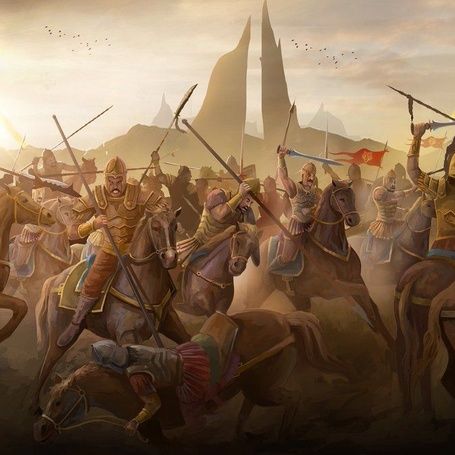
In the early 16th century, under Krishna Deva Raya, Vijayanagara seemed unassailable. Krishna Deva’s military successes, relying on cavalry against the Sultanates’ gunpowder, paid for massive renovations in the Royal Centre, including a layer of elegant green schist on the Mahanavami Dibba; he was also responsible for the Krishna temple in the Sacred Centre, and, of course, the spectacular Vijaya Vitthala temple. However, victory encouraged complacency.
Over the next century, Vijayanagara’s military stagnated, even as its population, temples, and irrigation networks continued to grow. Meanwhile, the Sultanates, at each other’s throats, developed matchlock guns, lighter and more maneuvrable cannon, and trace italienne inspired bastions; foreign gunners and experts became fixtures in their camps. Increasingly threatened by Vijayanagara dominantion, they briefly set their differences aside and confronted the emperor Rama Raya at the Battle of Talikota in 1565. There the imperial army’s over-reliance on cavalry and infantry was brutally exposed, as they proved unable to break the Sultanate’s centre, an Ottoman-style wagon-fort studded with field artillery. The imperial army’s collapse on the field, and Rama Raya’s beheading soon after, opened the road to Vijayanagara. The Sultans targeted the temples of the ruling dynasty, especially the Vitthala and Achyutaraya shrines with their layers of political meaning. The Mahanavami Dibba, which once had a wooden superstructure, was set aflame. Yet archaeologists have found that the most important non-royal temples were left untouched, such as that of Virupaksha. The Muslim scholar Rafi al-din Shirazi, who accompanied the Sultan of Bijapur on this expedition, had admired the city’s temples and was greatly disturbed by the looting. “May God the exalted and transcendent forgive the Sultan with the light of his compassion,” he wrote, “for after the conquest of Vijayanagar, he with his own blessed hand … ruined many of the idol temples.”
Temples, keep in mind, were also economic and political centres. With the destruction of the ruling dynasty’s shrines, the fragile coalitions and investment networks that held together the city’s peoples and irrigation systems could no longer be maintained. And so what was once the world’s second-largest urban centre disappeared practically overnight. Yet political authority endured: Vijayanagara’s rulers regrouped at Penukonda, and spectacular temples such as Lepakshi continued to be built after. The last king of Vijayanagara was a contemporary of the 17th century Mughal ruler Shah Jahan, builder of the Taj Mahal. Meanwhile, the Telugu nayakas, posted in the Tamil region by Vijayanagara emperors, went on to construct spectacular structures such as the gopurams of the Madurai Meenakshi temple. The architectural, cultural and linguistic innovations of Vijayanagara long outlived the great city.
Anirudh Kanisetti
Anirudh Kanisetti is an award-winning author, historian, and storyteller with a passion for uncovering forgotten histories. Born on 29 October 1994 in Vishakhapatnam, he pursued a Bachelor's degree in Electronics and Instrumentation at BITS Pilani, but his true passion led him to history. Writing primarily in English, Anirudh’s work spans the realms of both fiction and non-fiction, combining scholarly research with engaging narratives. His debut book Lords of the Deccan: Southern India from the Chalukyas to the Cholas explores 500 years of medieval South Indian history, using art, architecture, literature, and epigraphy to reveal the stories of the region's lost dynasties. The book has garnered widespread acclaim, winning the Sahitya Akademi Yuva Puraskar (2023) and the Tata Literature Best Nonfiction Book of the Year award (2022), and was featured as a Book of the Year by The Wire and The Hindu.
The Tiger of the Skies: An encounter with the Peregrine Falcon
Butterfly Safari in the Western Ghats: a possibility? - Part 2
A Photographer’s Guide to the Central Kalahari Game Reserve - Light, dust, dramatic skies and the art of capturing desert wildlife
Butterfly Safari in the Western Ghats: a possibility?
Desert Bones and Dust Trails: Reading the Kalahari’s Ancient Ground
Life in the Sands: The Surprising Riches of the Kalahari
Peek into Coorg’s Culture at Madikeri’s Government Museum
The Kalahari in Miniature: What You Miss When You Only Look for Big Game
Anegundi’s quiet empire of women: the banana-fibre story
Little Feet, Ancient Rhythms: Young Keepers of the Kodava Culture
Water, Wildlife, and the Art of Waiting in the Kalahari
Tracking Wildlife: What the Sand Tells You in the Kalahari
Singing of confluences, tangible and intangible

Strange Encounters: What We See and What We Miss
Water, Stone, and Empire: Reading Vijayanagara in the Evolve Back Kamalapura Palace
The Unusual Suspects: Creatures You Didn’t Expect in the Kalahari
The Ultimate Family Safari: Multigenerational Travel in Africa Creates Unforgettable Bonds
Locking Horns: An Afternoon with the Other King
The Arboreal By-lanes of Coorg: A Street Photographer's Foray into Bird Photography
Lone Warrior: An Encounter with the Grey-headed Fish Eagle
Under the Kalahari Sky: A Journey Through Africa’s Night Sky
Reptilian Sibilances, Mollusc Stillnesses, Fern Rustlings
Sri Purandara Mantapa: A hall that echoes the raagas of devotion
Cultural Extravaganza: Kodava Music & Dance Forms
The Kalahari Skies: An Everchanging Canvas of Colour
The San People of the Central Kalahari Game Reserve: Guardians of an Ancient Culture
Anegundi: ‘Monkey Business’ in the ‘Elephant Pit’
African Wild Dogs - one of Africa's most captivating carnivores and most endangered species
Discovering the Brown Hyenas of the Central Kalahari Game Reserve
An Aural Journey through Nagarahole: The Sound of Life
Five Wildlife Sightings You Can Expect Without Going on Safari
Into the Valley of Deception: The Central Kalahari Game Reserve
The Cup That Cheers: The Changing Taste of Coffee
Craft Calling: Traditional Lambani Arts and Crafts and the Sandur Kushala Kala Kendra
An Aural Journey through Nagarahole: The Language of Deception
An Aural Journey through Nagarahole: The Sound of Tardiness
Taking Terrific Photos on Safari: Getting the Trophy Shot
Adapt and Survive: Reaching the Pinnacle of Specialisation
Into the night – nocturnal life in the Kalahari
An Aural Journey through Nagarahole: The Seen and the Sawing
Hampi Ruins in the 1900s: Stellar Photographs From A Forgotten Historical Text
Touring Kabini with Your Eyes Closed: An Aural Journey through Nagarahole: Alarms True and False
North Karnataka’s Threesome — Badami, Aihole, & Pattadakallu
Hampi Ruins in the 1900s — The Gateways into the City
A Lone Porcupine fights off an entire pride of Lions!
The cute little denizens of the Kamalapura Palace, Hampi
From the Kitchens of Evolve Back – Jallad Roti | Akki Roti
From the Kitchens of Evolve Back – Qubani ka Meetha and Shahjahani ka Meetha
From the Kitchens of Evolve Back – Murgh-e-Lazeez
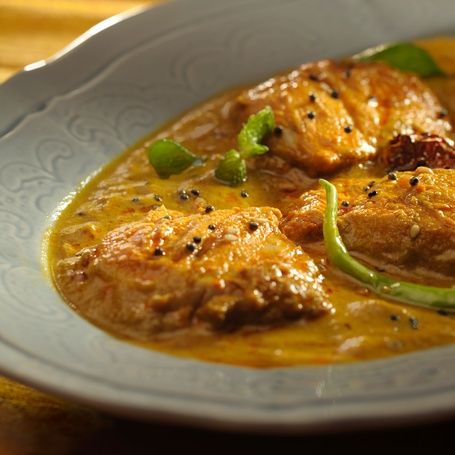
From the Kitchens of Evolve Back – Nizami Machali ka Salan
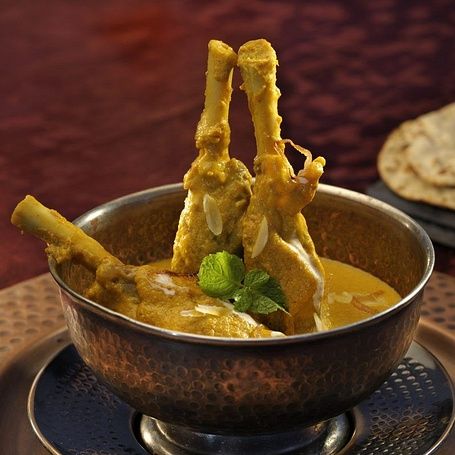
From the Kitchens of Evolve Back – Dum ki Nalli
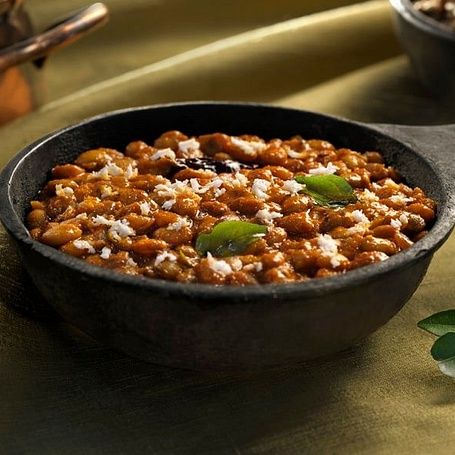
From the Kitchens of Evolve Back – Anapa Ginjala Pulusu
An Aural Journey through Kabini: Pre-Dawn Critters and Jitters
From the Kitchens of Evolve Back – Raan-e-Kamalapura
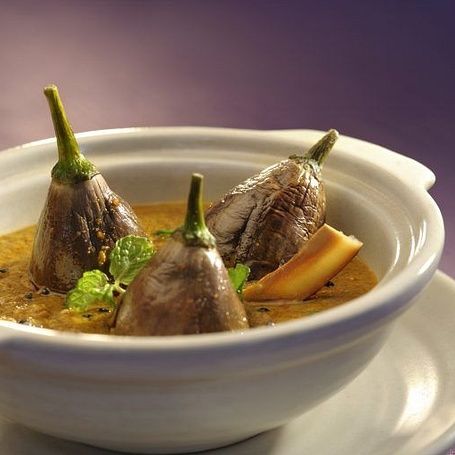
From the Kitchens of Evolve Back – Baghara Baingan
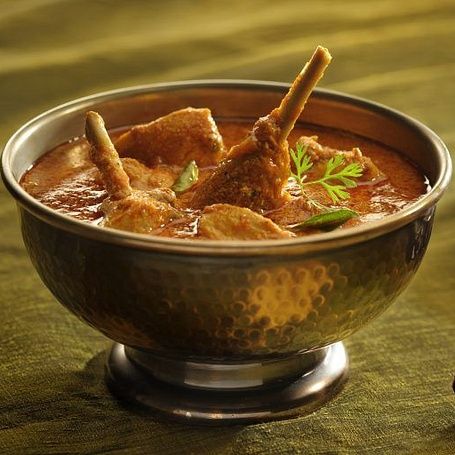
From the Kitchens of Evolve Back – Natukodi Pulusu
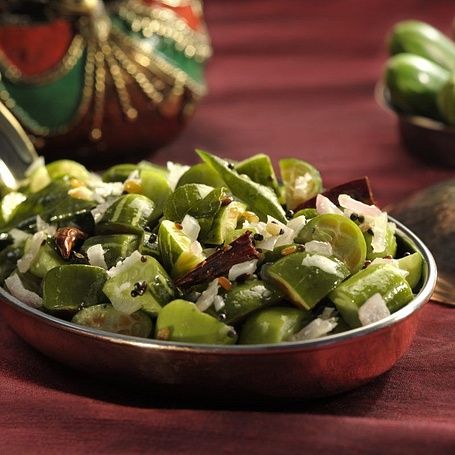
From the Kitchens of Evolve Back – Tondekai Palya
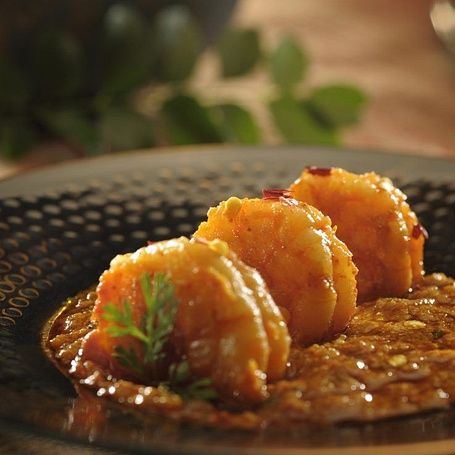
From the Kitchens of Evolve Back – Royala Igaru
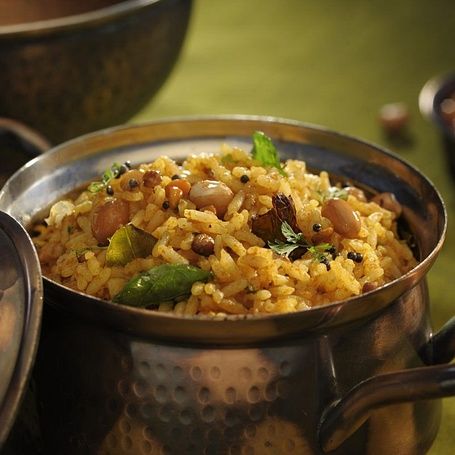
From the Kitchens of Evolve Back – Koli Chuttada
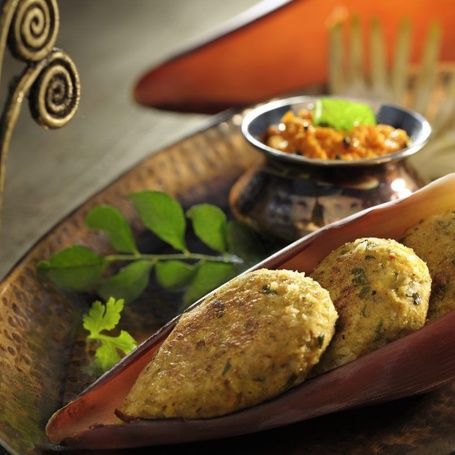
From the Kitchens of Evolve Back – Karibelle Cutlet
The Battle of Talikota and the Sacking of Hampi
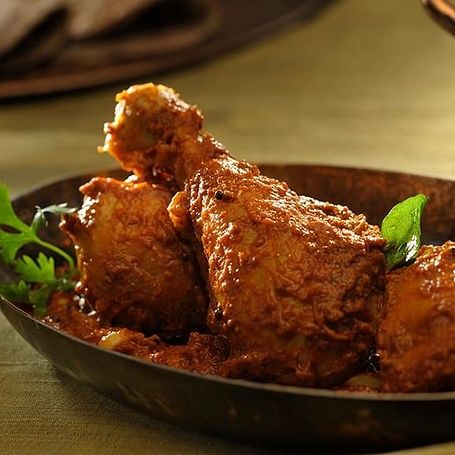
From the Kitchens of Evolve Back – Kori Ghee Roast
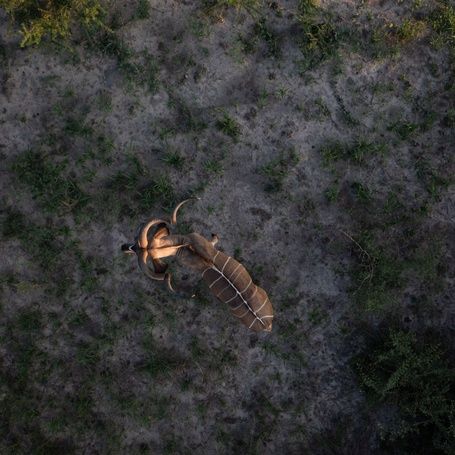
Ten Interesting Facts About the Kalahari Desert
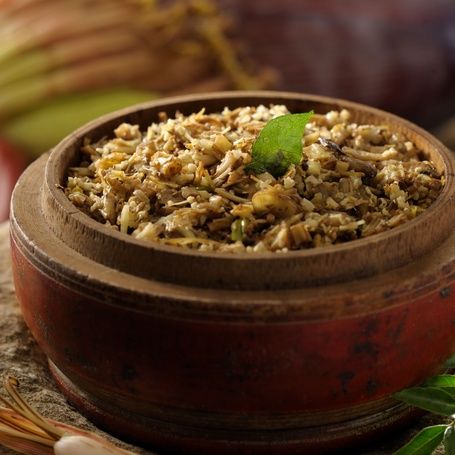
From the Kitchens of Evolve Back – Vazhachundum Thoran
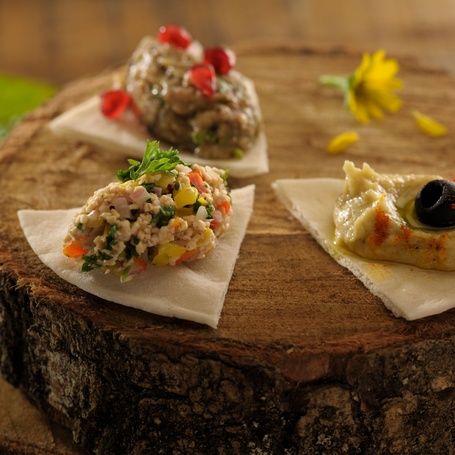
From the Kitchens of Evolve Back – Mezze Platter
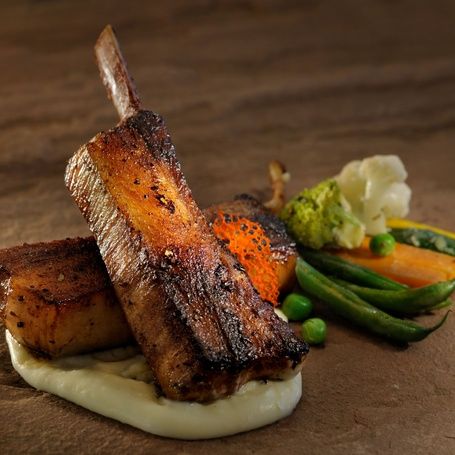
From the Kitchens of Evolve Back – Grilled Pork Ribs
An Aural Journey through Kabini: The Beginnings
Harihara & Bukka: founders of the Vijayanagara Empire
From the Kitchens of Evolve Back – Pazham Puzhungiyathu
From the Kitchens of Evolve Back – Peppercorn chocolate mousse
From the Kitchens of Evolve Back – Kabsah Laham Bis
From the Kitchens of Evolve Back – Vazhakanda Thoran
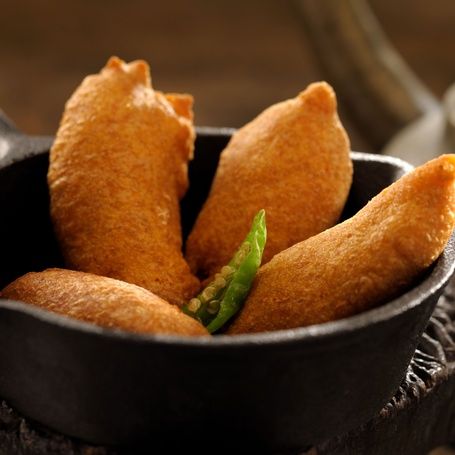
From the Kitchens of Evolve Back – Banana Bajji
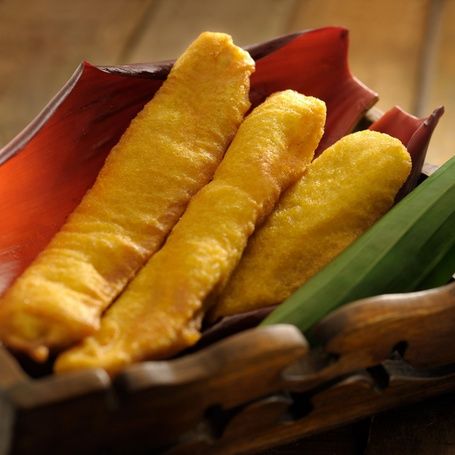
From the Kitchens of Evolve Back – Pazham pori
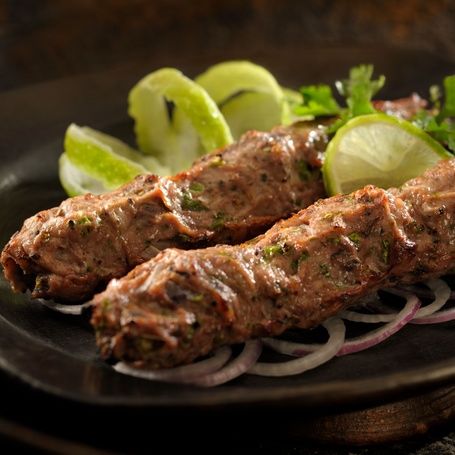
From the Kitchens of Evolve Back – Joojeh – e – Koobideh
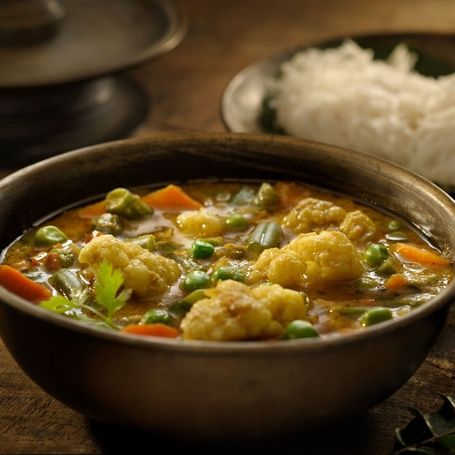
From the Kitchens of Evolve Back – Vegetable Kurma
From the Kitchens of Evolve Back – Pandi Curry
From the Kitchens of Evolve Back – Kerala Fish Curry
Nalknad Palace – off the beaten track in Coorg
Designing the Sidapur Coffee and Culture Museum
Why you should put a backwater boat safari at the forefront of your Kabini visit – 2
Why you should put a backwater boat safari at the forefront of your Kabini visit – 1
Chikka Veerarajendra of Coorg and his Thirteen Wives
The Architecture of Ainmanes: Form follows Function
Kodava Ainmanes – the heart of the Kodava Clan
From the Kitchens of Evolve Back – Sutta Sigadi Mathu Hannugalu
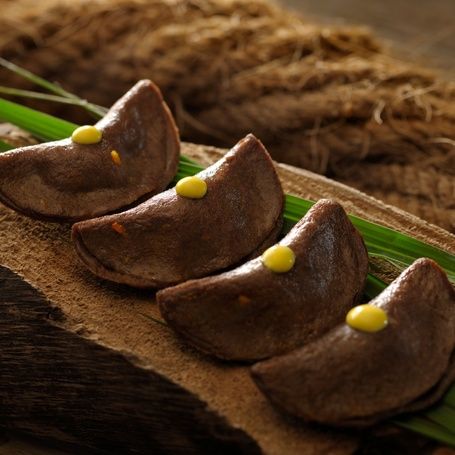
From the Kitchens of Evolve Back – Masala Raagi Cheela
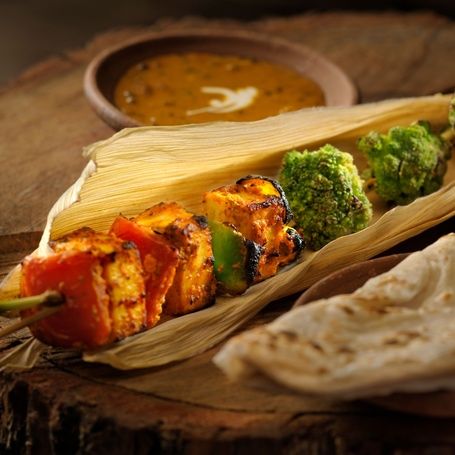
From the Kitchens of Evolve Back – Tandoori Zaffrani Paneer & Tandoori Phool

From the Kitchens of Evolve Back – Tumbida Ginnu
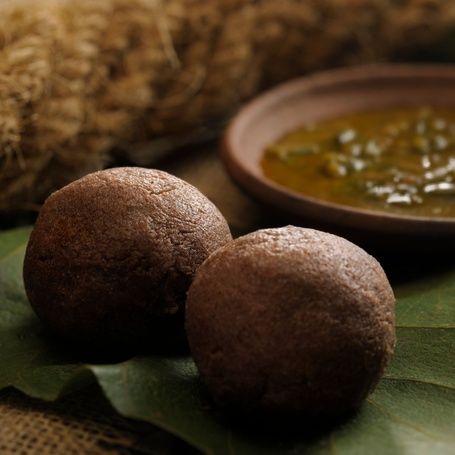
From the Kitchens of Evolve Back – Raagi Mudde Bassaru
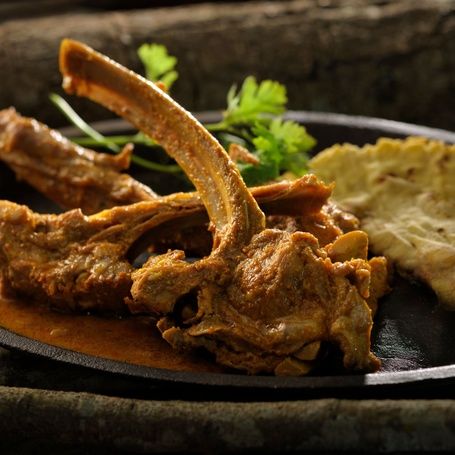
From the Kitchens of Evolve Back – Hurida Meke Mamsa
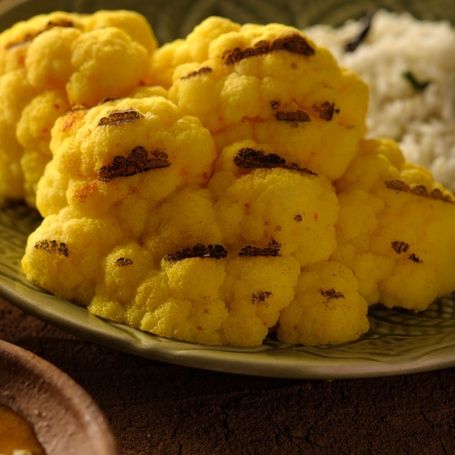
From the Kitchens of Evolve Back – Masala Hoo Kosu
From the Kitchens of Evolve Back – Kuruba Adina Saru
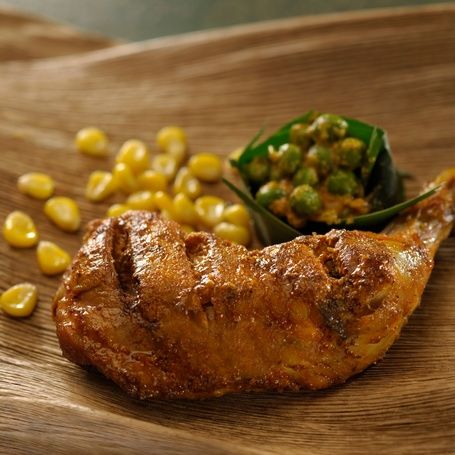
From the Kitchens of Evolve Back – Sutta Naati Koli
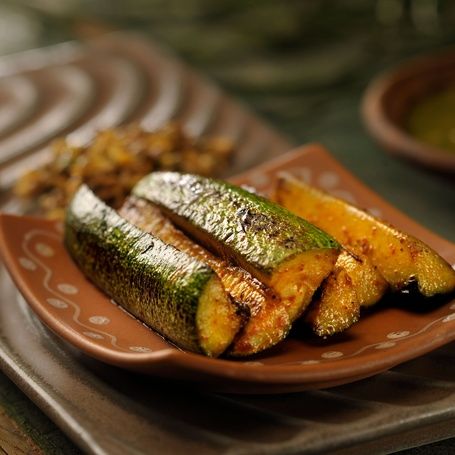
From the Kitchens of Evolve Back – Savatekayi Suttadu
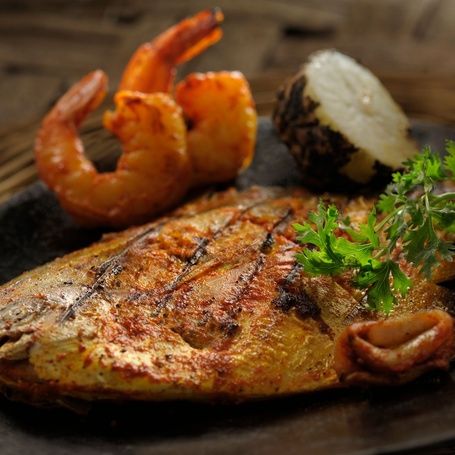
From the Kitchens of Evolve Back – Kendadali urida sigadi mathu meenu
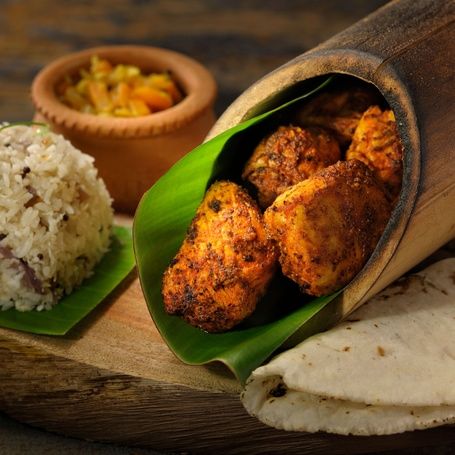
From the Kitchens of Evolve Back – Bidirinalli Beyisida Koli
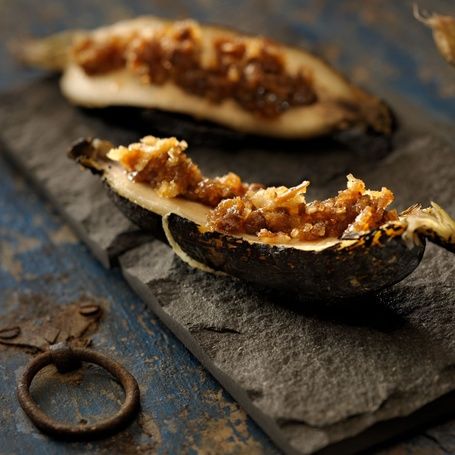
From the Kitchens of Evolve Back – Hurida Koli
First glimpse of god – the Black Panther of Kabini
The Battle of Raichur: The Beginning of the End