Desert Adaptations: How Wildlife Survives in the Central Kalahari
Published on: 01/10/2026

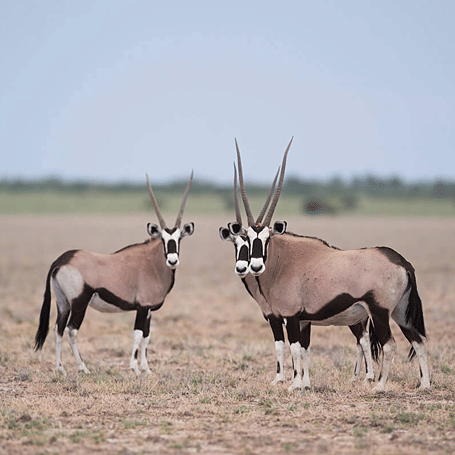
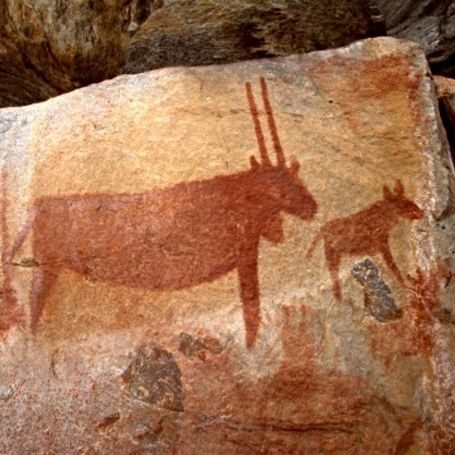
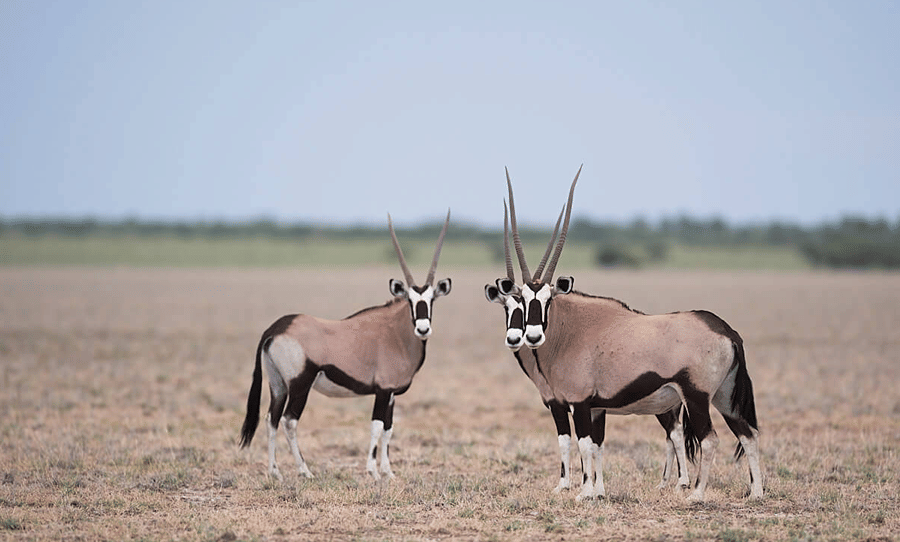
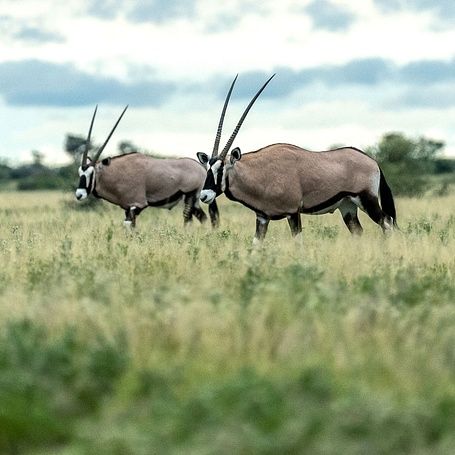
Photo title: Oryx
|Photo Credits: Sarah Kingdom
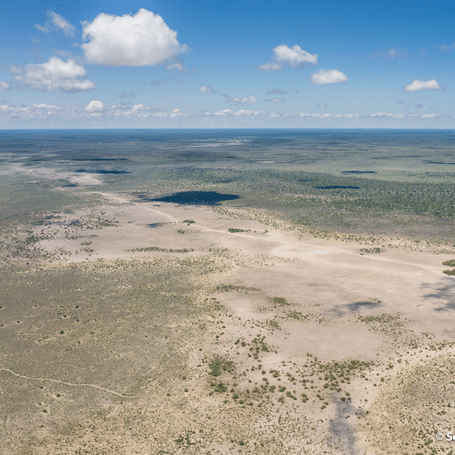
In the heart of Botswana, the Central Kalahari Game Reserve is one of Africa’s most uncompromising wildernesses. Vast, flat, and seemingly endless, this ancient landscape of fossil river valleys, golden grasslands, and shimmering salt pans tests every living thing that calls it home.
Rain is unpredictable. Surface water is scarce. Summer temperatures soar above 40°C (104°F), while winter nights can plunge towards freezing. Yet despite these extremes, the Central Kalahari sustains a remarkable diversity of life. The secret lies in adaptation - a range of behavioural, physiological, and evolutionary strategies that allow wildlife not just to endure, but to thrive.
Oryx: Masters of Thirst
Few animals symbolise Kalahari resilience better than the Gemsbok, commonly known as the Oryx. With long, rapier-like horns and bold black-and-white facial markings, the Oryx is both elegant and formidable. But its most impressive features are invisible.
An Oryx can survive without drinking free-standing water for extended periods of time. It will extract moisture from the grasses, roots, and melons it consumes. Their bodies are equipped with an extraordinary thermoregulatory system: specialised blood vessels in the nasal passages that cool blood before it reaches the brain, allowing the animal’s core body temperature to rise without overheating vital organs.
By tolerating a higher internal temperature, the oryx reduces the need to sweat, conserving precious water. During the hottest parts of the day, they often stand facing the sun, minimizing the surface area exposed to direct rays. It is a simple but effective strategy in a place where shade is limited.
Springbok: Speed and Efficiency
Sharing the plains with the oryx is the nimble Springbok. Smaller and lighter, springbok rely on a combination of agility, efficiency, and flexibility.
Like oryx, springbok can meet much of their water needs through their diet, feeding on moisture-rich plants during the rainy season. When conditions become especially harsh, they shift their feeding patterns, browsing rather than grazing, to take advantage of shrubs that retain more water.
Springbok are also famous for “pronking” — high, stiff-legged leaps into the air. While often interpreted as play, this behavior may serve as a signal of fitness to predators, demonstrating speed and strength in an open landscape with little cover.
Their light-colored coats reflect sunlight, and their ability to travel long distances allows them to follow patchy rainfall across the reserve.
Lions: The Kings of the Kalahari
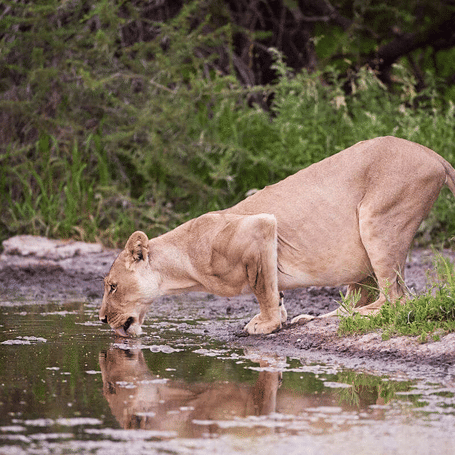
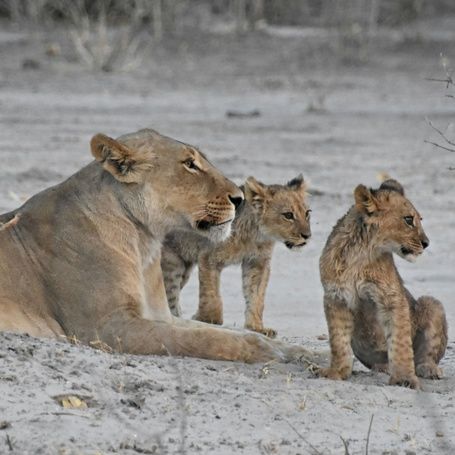
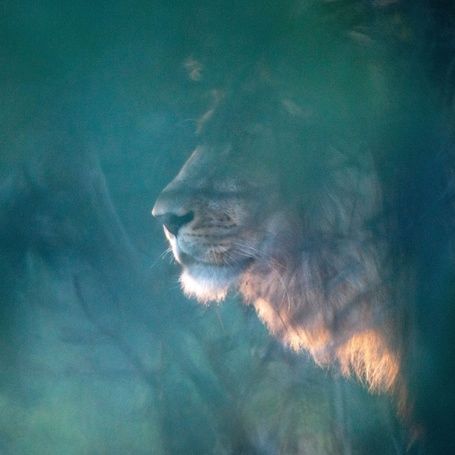
The black-maned lions of the Central Kalahari Game Reserve are uniquely adapted to desert life. Kalahari lions tend to have larger home ranges than their savanna counterparts, a necessity in a landscape where prey densities are lower and water sources are scattered. They are also capable of going days without drinking, deriving moisture from the blood and tissues of their prey.
Behaviorally, the lions of the CKGR adjust their activity patterns to avoid peak heat. Much of their hunting occurs at night or during the cooler hours of dawn and dusk. During the day, they rest in whatever shade they can find, often beneath sparse acacia trees or even alongside termite mounds that provide slight elevation and breeze. Survival here demands energy conservation. Every hunt must count.
Cheetah: Speed on the Open Plains
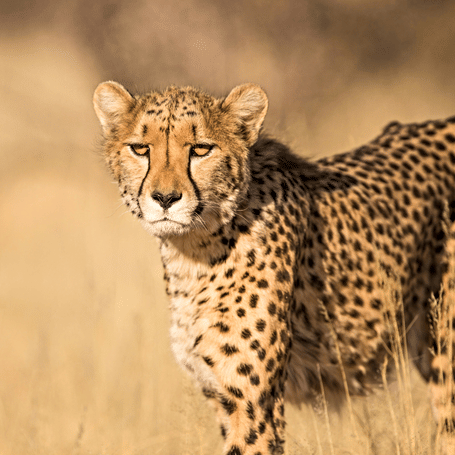
The Cheetah is another master of Kalahari survival. Built for speed, cheetahs are perfectly suited to the open grasslands of the reserve.
Unlike lions, cheetahs rely on daylight hunting, using keen eyesight to spot prey from a distance. To cope with the heat, they often hunt during early morning or late afternoon. Their lightweight frames and enlarged nasal passages assist with oxygen intake during explosive chases, but such efforts come at high energetic cost.
Because they are vulnerable to larger predators, cheetahs must balance speed with caution. In the Central Kalahari’s wide-open spaces, visibility works both ways, allowing cheetahs to scan for danger as effectively as they scan for prey.
Giraffe: Reaching Higher
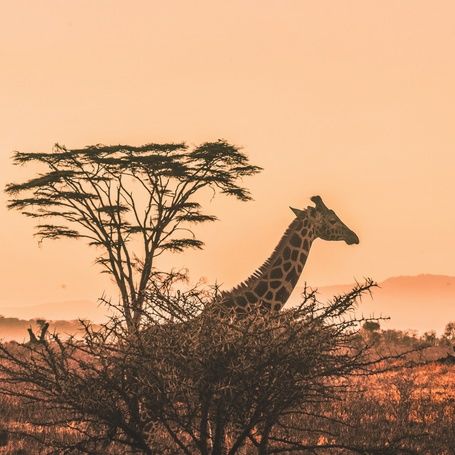
The Giraffe survives the Kalahari by feeding above the competition. As browsers, giraffe rely on acacia trees and other woody plants, often accessing leaves far beyond the reach of other herbivores.
They can go extended periods without drinking, deriving moisture from foliage, and also regulate their activity patterns carefully, feeding during cooler hours and resting in shade during peak heat. Their height offers not only feeding advantage but also visibility across vast open terrain, an early warning system against predators.

Photo title: Cheetah
Photo Credits: Sarah Kingdom
Elephant: Giants of Adaptation
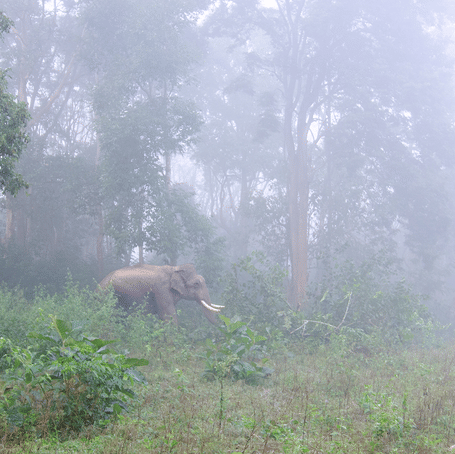
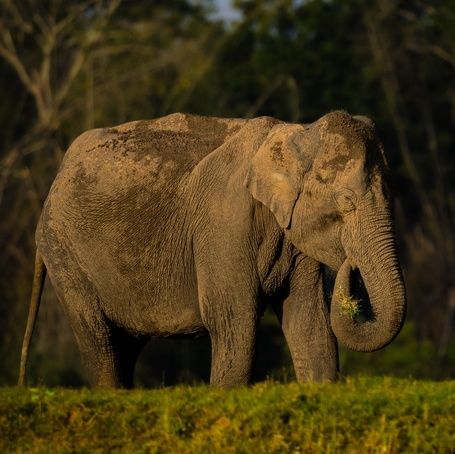
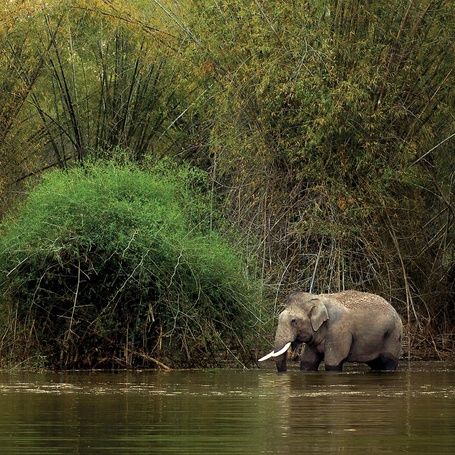
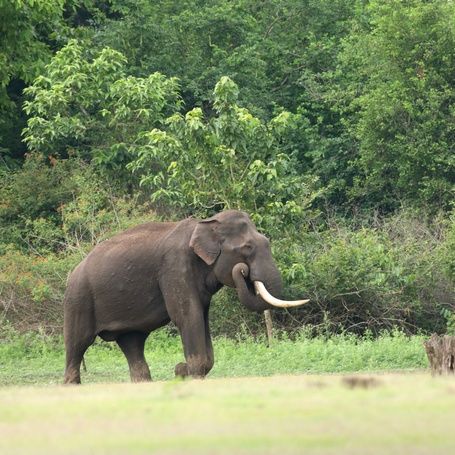
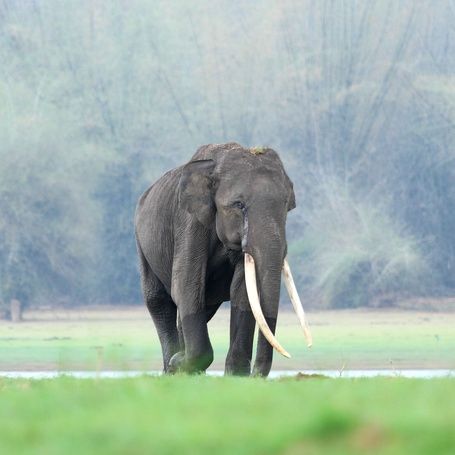
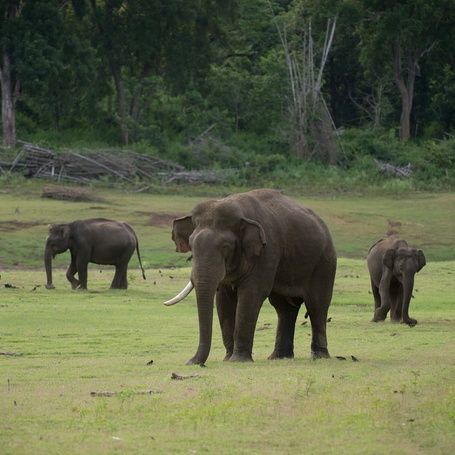
It may seem surprising that the world’s largest land mammal thrives in such an arid environment, yet the African elephant has proven remarkably adaptable.
Elephants in and around the Central Kalahari undertake seasonal movements, traveling great distances between reliable water sources and feeding grounds. Their memory plays a vital role; matriarchs recall the locations of ancient water points and productive foraging areas, even after years of drought.
Physiologically, elephants regulate heat through their massive ears, which are rich in blood vessels. By flapping them, they dissipate excess heat. They also dust-bathe frequently, coating their skin in a protective layer that shields against sun and insects.
Perhaps most importantly, elephants are ecosystem engineers. By digging for water in dry riverbeds, they can create drinking points that benefit other species.
Zebra: Desert Mobility
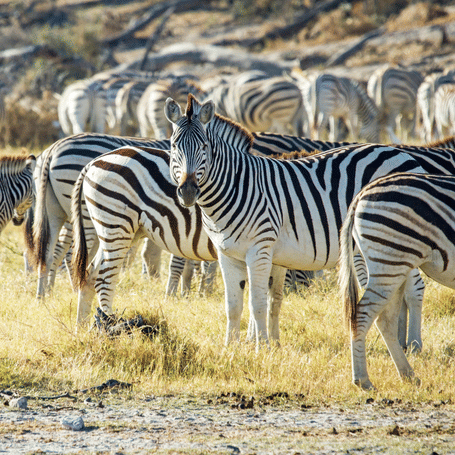
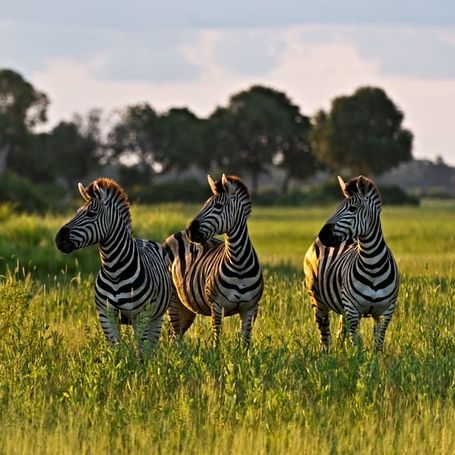
Plains zebra are highly mobile, moving across vast areas in search of fresh grazing after localized rains. Their digestive systems allow them to process coarse, low-nutrient grasses that other herbivores may ignore, and by feeding on taller, rougher grasses first, zebra often pave the way for more selective grazers, like springbok.
Zebraalso rely on movement and seasonal shifts. By moving across wide areas of the reserve, they exploit temporary flushes of nutrient-rich growth in fossil river valleys such as Deception Valley. Their mobility allows them to respond quickly to seasonal changes, a crucial advantage in a landscape where abundance is fleeting.
Smaller Mammals: Life Below Ground
While large herbivores and predators dominate the skyline, much of the Kalahari’s adaptive brilliance is found at ground level, or below it.
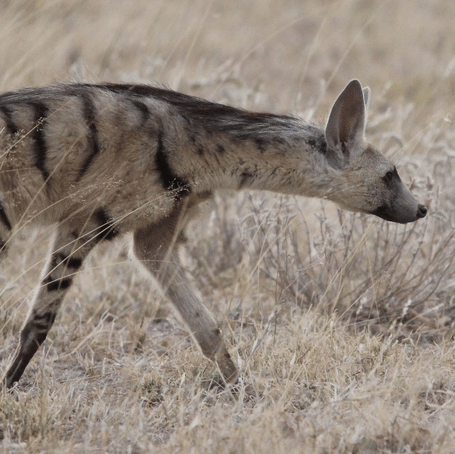
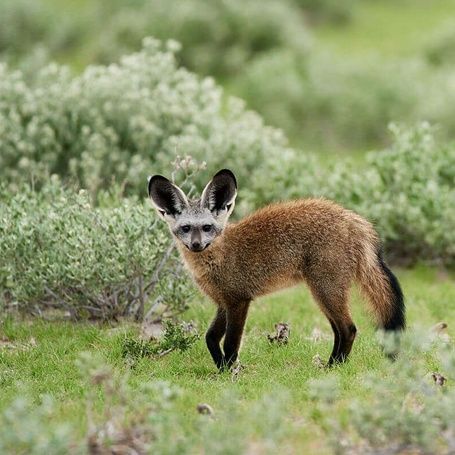
Burrowing is one of the most effective strategies in extreme climates. Species such as the Meerkat and Bat-Earred Fox use complex underground tunnel systems to escape midday heat and nighttime cold. These burrows maintain relatively stable temperatures, offering refuge from the desert’s dramatic swings.
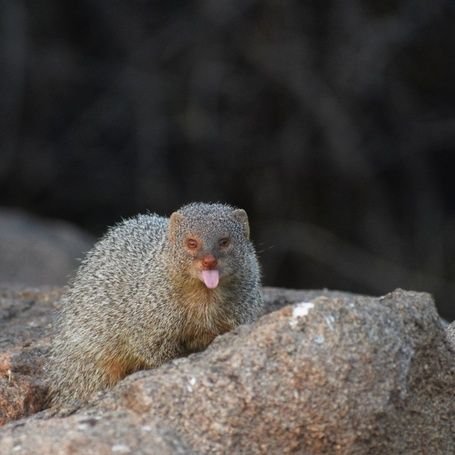
Similarly, the Yellow mongoose and ground squirrels retreat underground during the hottest hours. By limiting surface activity to cooler periods, they dramatically reduce water loss and heat stress.
Small mammals also have higher surface-area-to-volume ratios, which can make them vulnerable to dehydration. Many compensate by being nocturnal, foraging at night when temperatures are lower and humidity slightly higher. Seeds, insects, and roots provide both nutrients and moisture.
Seasonal Shifts and Opportunism
Rainfall in the Central Kalahari is seasonal and erratic. When the rains arrive, usually between November and April, the transformation is dramatic. Dormant grasses sprout, wildflowers bloom, and nutrient-rich grazing becomes widely available. Herbivores time giving birth to coincide with these flushes of abundance, their young benefitting from improved nutrition and cover during their most vulnerable weeks. Predators, in turn, respond to these shifting prey distributions.
During prolonged dry periods, wildlife may concentrate around artificial or natural water points. Yet many species remain widely dispersed, relying on drought-resistant vegetation and fat reserves built during better months. Flexibility is essential. In a system defined by variability, the ability to adjust diet, movement, and reproductive timing can mean the difference between survival and death.
A Landscape That Rewards Resilience
The Central Kalahari Game Reserve is not lush or forgiving. Yet it supports an intricate community of wildlife precisely because its inhabitants are so finely tuned to its challenges. From the heat-defying oryx to the wide-ranging lion, from burrowing meerkats to migratory springbok, each species tells a story of endurance and innovation. Life here is not about , it’s about efficiency.
Stand quietly on a Kalahari pan as the sun sets and the air begins to cool, and you begin to see what makes this place extraordinary. Survival here is not accidental, it’s engineered by evolution, guided by memory, and sustained by movement. In the CKGR, life does not merely endure the desert, it’s defined by it.
Sarah Kingdom
Travel writer, mountain guide, yoga teacher, trail runner and mother, Sarah Kingdom was born and brought up in Sydney, Australia. Coming to Africa at 21 she fell in love with the continent and stayed. Sarah guides on Kilimanjaro several times a year, and has lost count of how many times she has stood on the roof of Africa. She has climbed and guided around the world and now spends most of her time visiting remote places in Africa. When she is not traveling she runs a cattle ranch in Zambia with her husband.
Desert Adaptations: How Wildlife Survives in the Central Kalahari
After Dark in the Central Kalahari Game Reserve - A journey into the nocturnal heart of Botswana’s great desert wilderness
The Kabini Paradox: How Tigers and Leopards Thrive Side by Side
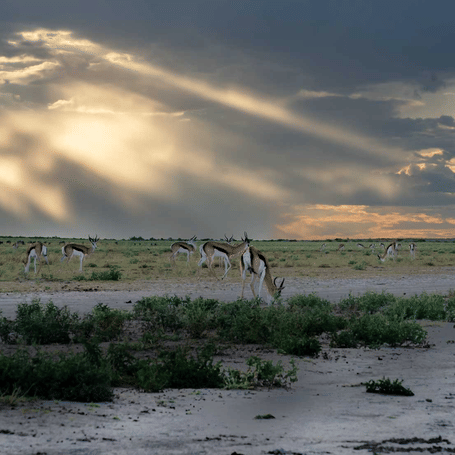
Why the Central Kalahari Game Reserve Feels Different from Other Safaris in Botswana
Birdwatching around the Coffee Forests of Coorg
Guardians of the Darkness: Owls of Kabini Part 2
The Rocks Remember: Exploring Karnataka's Prehistoric Landscapes
Kalahari Myth & Magic: Folklore from the Desert
The Horses That Run for a Goddess: Kudure vésha at the Kavadi Bhagavathi Temple, Kodagu
Predators of the Central Kalahari: More Than Just Lions
Heritage in motion: Anegundi’s Sri Ranganathaswamy Rathotsav
Boys Become the Goddess: Feminine Embodiment at Kodagu’s Kavadi Bhagavathi Festival
Migratory Birds of Kabini: Winter Visitors to Nagarhole’s Waters
The Central Kalahari Game Reserve’s Cheetahs: Speed on the Salt Pans
The Tiger of the Skies: An encounter with the Peregrine Falcon
Butterfly Safari in the Western Ghats: a possibility? - Part 2
A Photographer’s Guide to the Central Kalahari Game Reserve - Light, dust, dramatic skies and the art of capturing desert wildlife
Butterfly Safari in the Western Ghats: a possibility?
Desert Bones and Dust Trails: Reading the Kalahari’s Ancient Ground
Life in the Sands: The Surprising Riches of the Kalahari
Peek into Coorg’s Culture at Madikeri’s Government Museum
The Kalahari in Miniature: What You Miss When You Only Look for Big Game
Anegundi’s quiet empire of women: the banana-fibre story
Little Feet, Ancient Rhythms: Young Keepers of the Kodava Culture
Water, Wildlife, and the Art of Waiting in the Kalahari
Tracking Wildlife: What the Sand Tells You in the Kalahari
Singing of confluences, tangible and intangible
Strange Encounters: What We See and What We Miss
Water, Stone, and Empire: Reading Vijayanagara in the Evolve Back Kamalapura Palace
The Unusual Suspects: Creatures You Didn’t Expect in the Kalahari
The Ultimate Family Safari: Multigenerational Travel in Africa Creates Unforgettable Bonds
Locking Horns: An Afternoon with the Other King
The Arboreal By-lanes of Coorg: A Street Photographer's Foray into Bird Photography
Lone Warrior: An Encounter with the Grey-headed Fish Eagle

Under the Kalahari Sky: A Journey Through Africa’s Night Sky
Reptilian Sibilances, Mollusc Stillnesses, Fern Rustlings
Sri Purandara Mantapa: A hall that echoes the raagas of devotion
Cultural Extravaganza: Kodava Music & Dance Forms
The Kalahari Skies: An Everchanging Canvas of Colour
The San People of the Central Kalahari Game Reserve: Guardians of an Ancient Culture
Anegundi: ‘Monkey Business’ in the ‘Elephant Pit’
African Wild Dogs - one of Africa's most captivating carnivores and most endangered species
Discovering the Brown Hyenas of the Central Kalahari Game Reserve
An Aural Journey through Nagarahole: The Sound of Life
Five Wildlife Sightings You Can Expect Without Going on Safari
Into the Valley of Deception: The Central Kalahari Game Reserve
The Cup That Cheers: The Changing Taste of Coffee
Craft Calling: Traditional Lambani Arts and Crafts and the Sandur Kushala Kala Kendra
Into the night – nocturnal life in the Kalahari
An Aural Journey through Nagarahole: The Language of Deception
An Aural Journey through Nagarahole: The Sound of Tardiness
Taking Terrific Photos on Safari: Getting the Trophy Shot
Adapt and Survive: Reaching the Pinnacle of Specialisation
An Aural Journey through Nagarahole: The Seen and the Sawing
Hampi Ruins in the 1900s: Stellar Photographs From A Forgotten Historical Text
Touring Kabini with Your Eyes Closed: An Aural Journey through Nagarahole: Alarms True and False
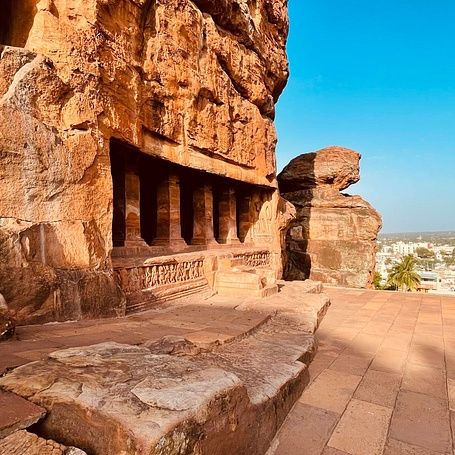
North Karnataka’s Threesome — Badami, Aihole, & Pattadakallu

Hampi Ruins in the 1900s — The Gateways into the City
A Lone Porcupine fights off an entire pride of Lions!
The cute little denizens of the Kamalapura Palace, Hampi
From the Kitchens of Evolve Back – Jallad Roti | Akki Roti

From the Kitchens of Evolve Back – Qubani ka Meetha and Shahjahani ka Meetha
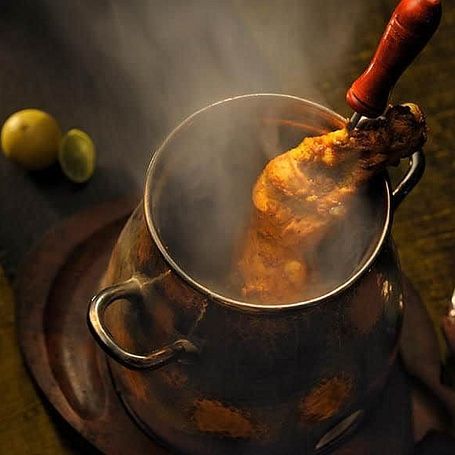
From the Kitchens of Evolve Back – Murgh-e-Lazeez

From the Kitchens of Evolve Back – Nizami Machali ka Salan
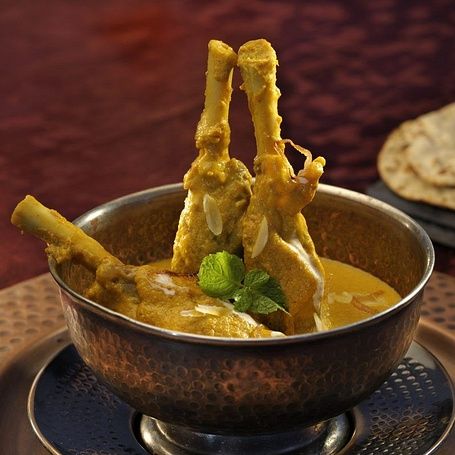
From the Kitchens of Evolve Back – Dum ki Nalli
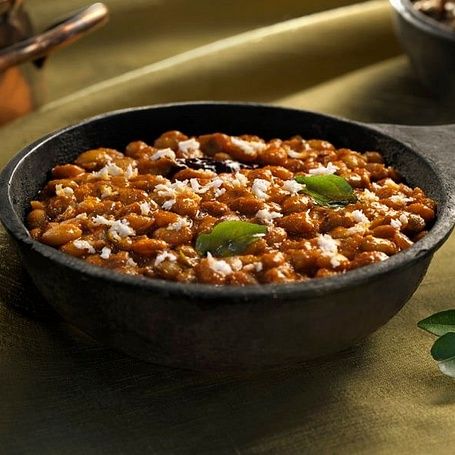
From the Kitchens of Evolve Back – Anapa Ginjala Pulusu
An Aural Journey through Kabini: Pre-Dawn Critters and Jitters
From the Kitchens of Evolve Back – Raan-e-Kamalapura
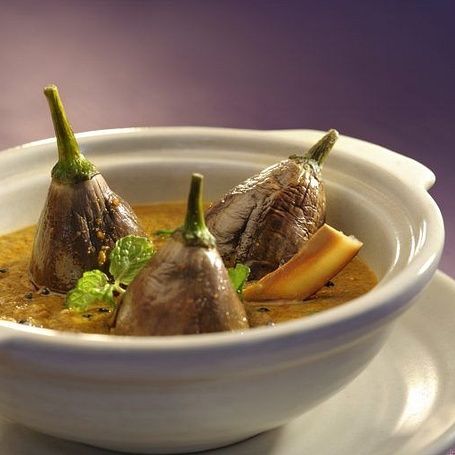
From the Kitchens of Evolve Back – Baghara Baingan

From the Kitchens of Evolve Back – Natukodi Pulusu

From the Kitchens of Evolve Back – Tondekai Palya

From the Kitchens of Evolve Back – Royala Igaru
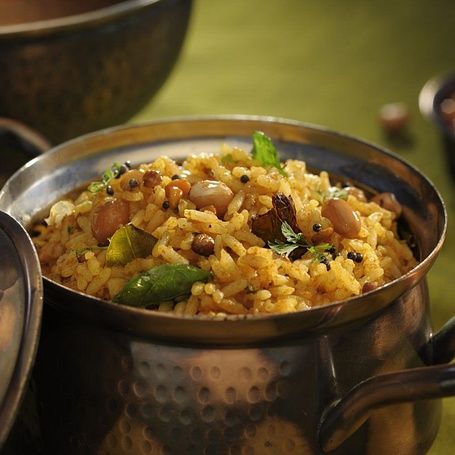
From the Kitchens of Evolve Back – Koli Chuttada

From the Kitchens of Evolve Back – Karibelle Cutlet
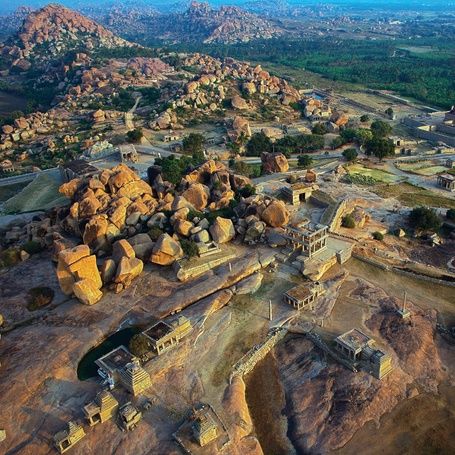
The Battle of Talikota and the Sacking of Hampi
From the Kitchens of Evolve Back – Kori Ghee Roast
Ten Interesting Facts About the Kalahari Desert

From the Kitchens of Evolve Back – Vazhachundum Thoran

From the Kitchens of Evolve Back – Mezze Platter
From the Kitchens of Evolve Back – Grilled Pork Ribs
An Aural Journey through Kabini: The Beginnings
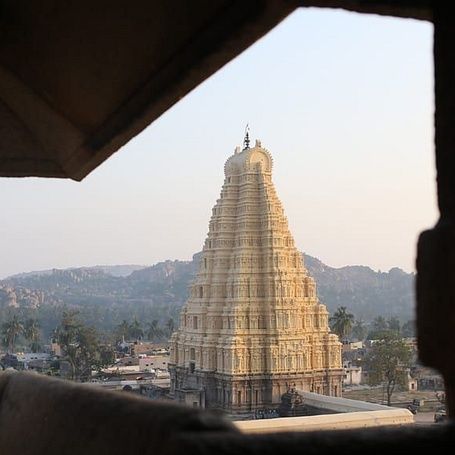
Harihara & Bukka: founders of the Vijayanagara Empire

From the Kitchens of Evolve Back – Pazham Puzhungiyathu

From the Kitchens of Evolve Back – Peppercorn chocolate mousse
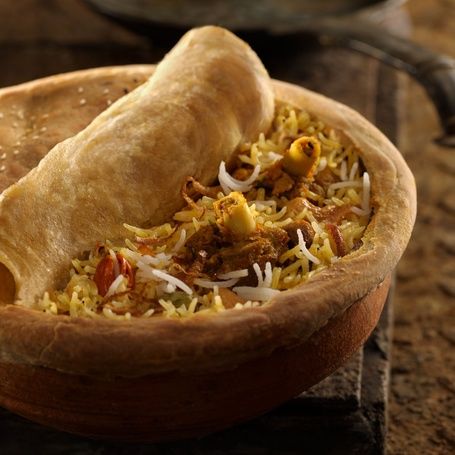
From the Kitchens of Evolve Back – Kabsah Laham Bis
From the Kitchens of Evolve Back – Vazhakanda Thoran

From the Kitchens of Evolve Back – Banana Bajji
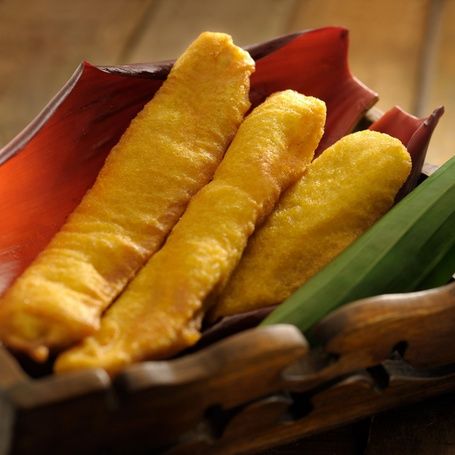
From the Kitchens of Evolve Back – Pazham pori
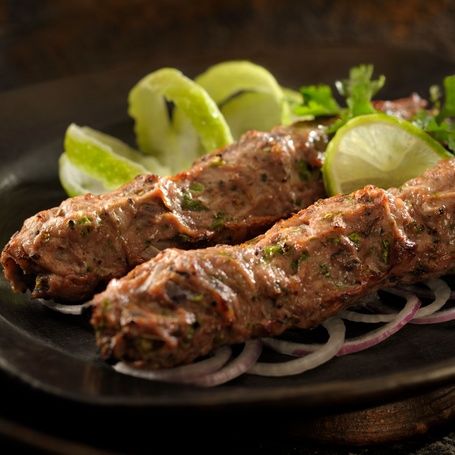
From the Kitchens of Evolve Back – Joojeh – e – Koobideh
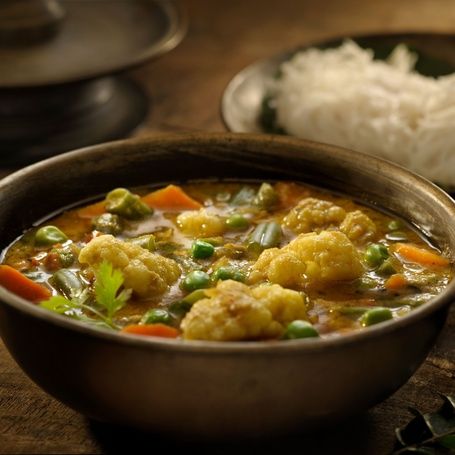
From the Kitchens of Evolve Back – Vegetable Kurma
From the Kitchens of Evolve Back – Pandi Curry
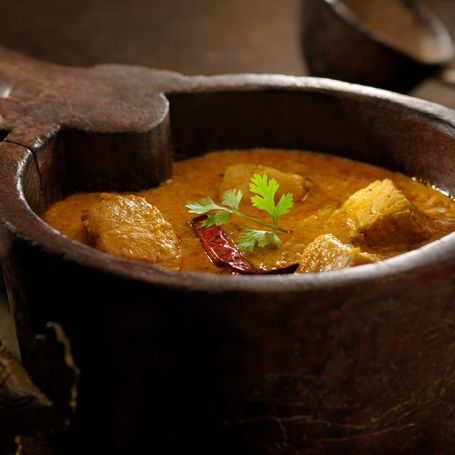
From the Kitchens of Evolve Back – Kerala Fish Curry
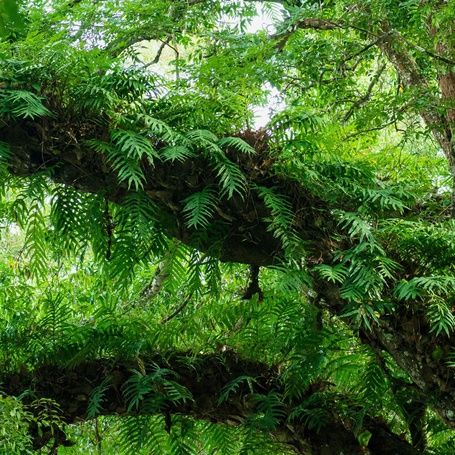
Nalknad Palace – off the beaten track in Coorg
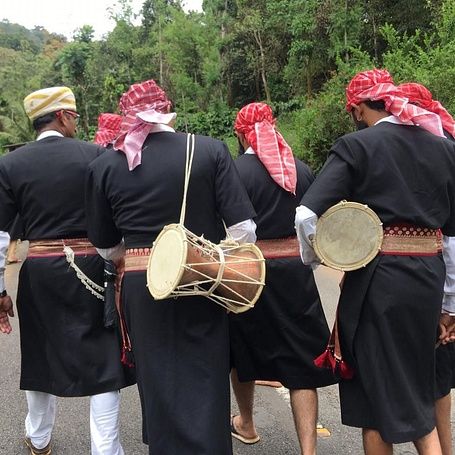
Designing the Sidapur Coffee and Culture Museum
Why you should put a backwater boat safari at the forefront of your Kabini visit – 2
Why you should put a backwater boat safari at the forefront of your Kabini visit – 1
Chikka Veerarajendra of Coorg and his Thirteen Wives
The Architecture of Ainmanes: Form follows Function
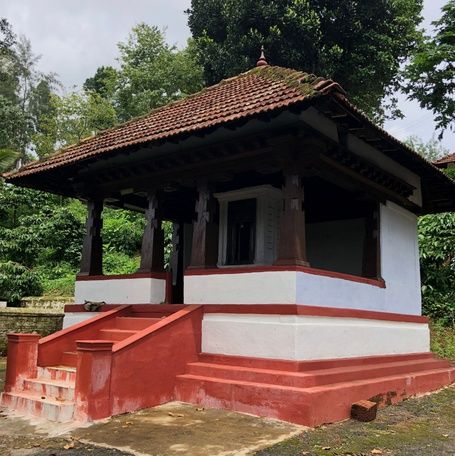
Kodava Ainmanes – the heart of the Kodava Clan
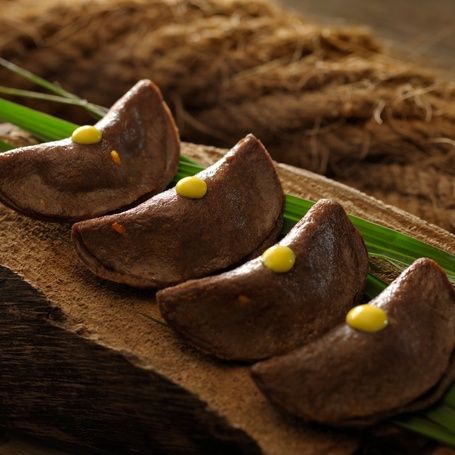
From the Kitchens of Evolve Back – Sutta Sigadi Mathu Hannugalu
From the Kitchens of Evolve Back – Masala Raagi Cheela
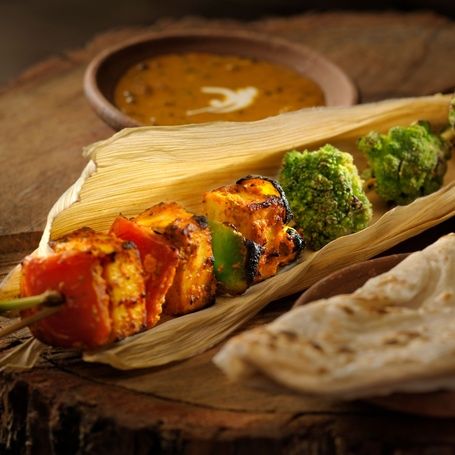
From the Kitchens of Evolve Back – Tandoori Zaffrani Paneer & Tandoori Phool
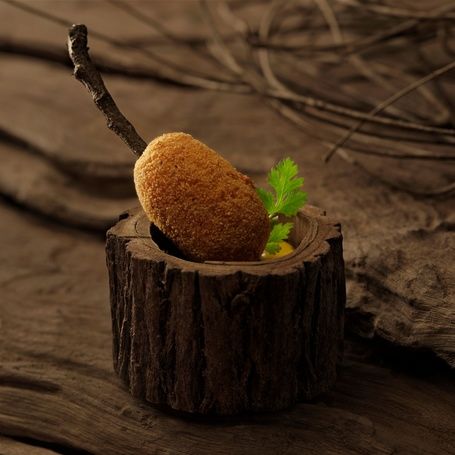
From the Kitchens of Evolve Back – Tumbida Ginnu
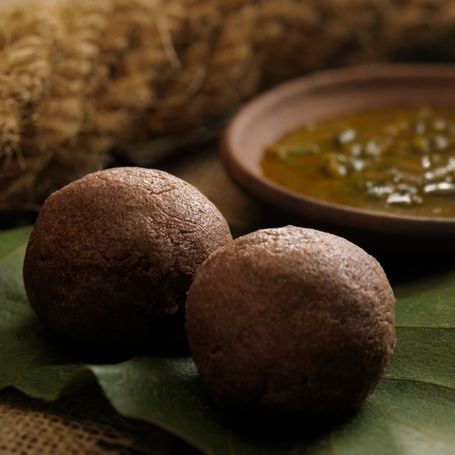
From the Kitchens of Evolve Back – Raagi Mudde Bassaru
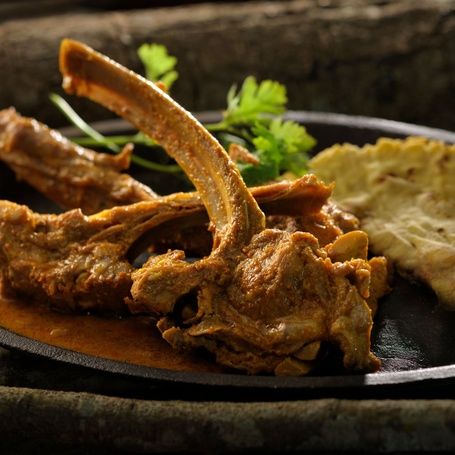
From the Kitchens of Evolve Back – Hurida Meke Mamsa
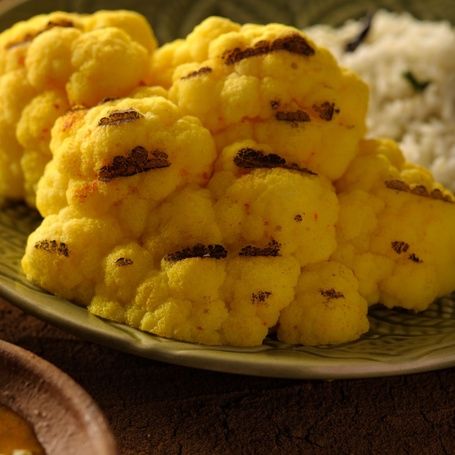
From the Kitchens of Evolve Back – Masala Hoo Kosu
From the Kitchens of Evolve Back – Kuruba Adina Saru

From the Kitchens of Evolve Back – Sutta Naati Koli
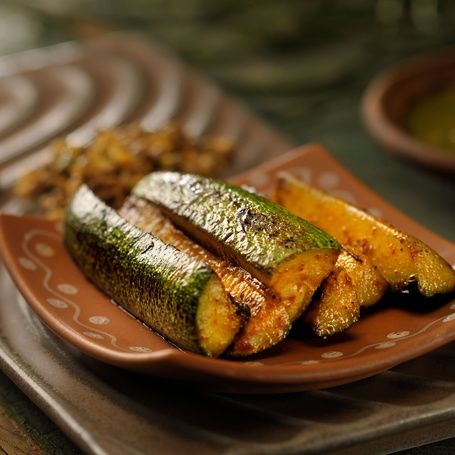
From the Kitchens of Evolve Back – Savatekayi Suttadu
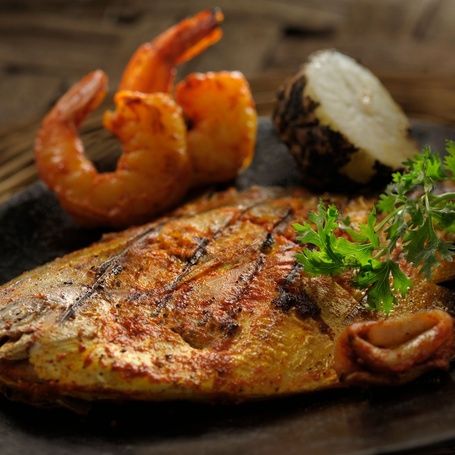
From the Kitchens of Evolve Back – Kendadali urida sigadi mathu meenu
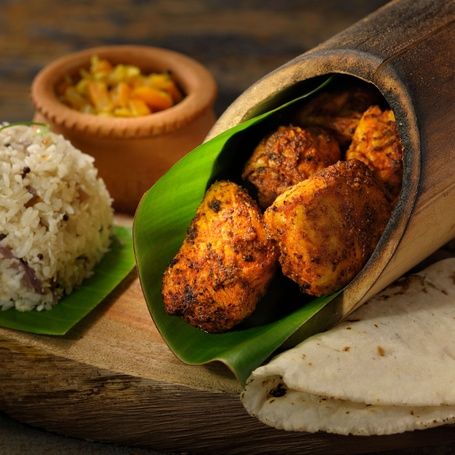
From the Kitchens of Evolve Back – Bidirinalli Beyisida Koli
From the Kitchens of Evolve Back – Hurida Koli
First glimpse of god – the Black Panther of Kabini
The Battle of Raichur: The Beginning of the End